Emergency Drywall Repairs Quick Solutions For Homeowners
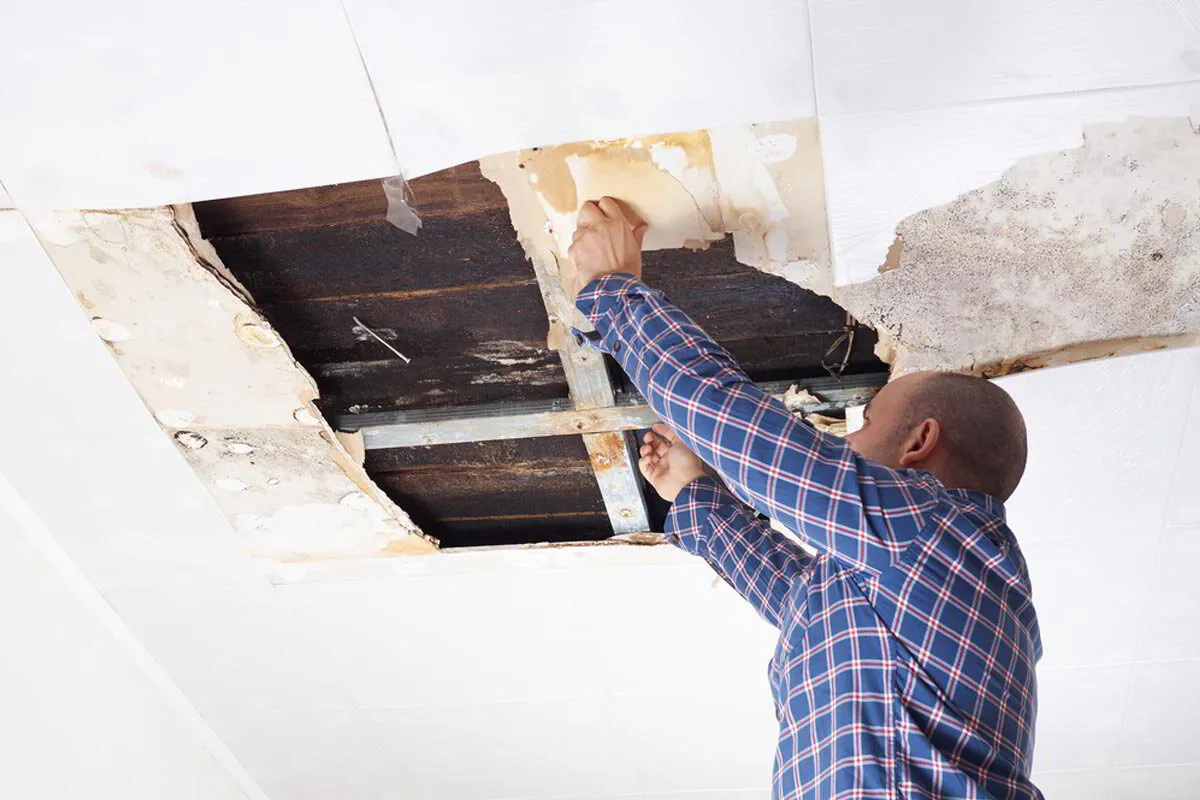
Emergency drywall repairs can often feel like a daunting task for homeowners, especially when
unexpected damage occurs. Did you know that water damage is one of the leading causes of
drywall deterioration, potentially leading to costly repairs and health risks if left unchecked?
Whether it’s from a burst pipe, a heavy rainstorm, or even an accidental bump from furniture,
knowing how to address drywall issues quickly and effectively is crucial. This comprehensive
guide will walk you through the essentials of emergency drywall repairs, equipping you with the
knowledge to tackle these challenges head-on and protect your home from further damage.
Understanding Emergency Drywall Repairs
Emergency drywall repairs become crucial when your home is faced with sudden damage. It's
essential to recognize what qualifies as an emergency situation in order to address issues
promptly before they escalate.
What Constitutes an Emergency?
An emergency can manifest in several forms, typically involving substantial damage that affects
the safety or functionality of your living space. Some examples include:
- Large holes or cracks that compromise the integrity of the drywall.
- Water damage from a burst pipe or severe leak.
- Mold growth resulting from prolonged moisture exposure.
Common Causes of Drywall Damage
Various factors can lead to urgent drywall repairs. Recognizing these causes can help
homeowners take preventative measures in the future. Some common sources of drywall
damage include:
- Accidental impact from furniture or sports equipment.
- Water leaks from plumbing issues or roof problems.
- Structural settling causing cracks over time.
Signs You Need Emergency Drywall Repairs
Identifying the signs of drywall damage early can save you time and money. Here are key
indicators that it's time to act:
Visible Damage
Look for any obvious signs of damage, such as:
- Cracks or holes in the drywall
- Bulging or sagging drywall panels
Water Stains and Mold
Water stains can signify a more significant issue underneath the surface. Be on the lookout for:
- Yellow or brown stains on walls or ceilings
- A musty odor indicating possible mold growth
Structural Concerns
Any structural issues should be addressed immediately. Signs to watch for include:
- Uneven floors
- Doors or windows that are difficult to open
Quick Solutions for Emergency Drywall Repairs
When faced with emergency drywall repairs, acting quickly is vital. Here are some quick
solutions to consider:
DIY Temporary Fixes
If you're unable to call a professional right away, there are temporary fixes you can try:
- Patching Holes: Use a drywall patch or a piece of cardboard to cover small holes until a
permanent solution is applied.
- Using Joint Compound: For cracks, apply joint compound to fill and smooth the area.
Let it dry before painting.
When to Call a Professional
While DIY fixes can be helpful in a pinch, some situations require the expertise of a
professional. If you're unsure about the extent of the damage or the repairs needed, it’s best to
consult with a drywall repair expert.
For more information on home repair services, you can visit HomeAdvisor.
Taking prompt action during emergencies can make a significant difference in the longevity and
safety of your home. Remember, knowing when to seek professional help is just as important as
knowing how to tackle minor repairs yourself.
Choosing the Right Contractor for
Emergency Drywall Repairs
When faced with the need for emergency drywall repairs, finding a reliable contractor is crucial.
Not only do you want someone who can respond quickly, but you also need a professional who
guarantees quality work.
What to Look For
Here are essential qualities to consider when selecting a contractor for your emergency drywall
repairs:
- Experience: Look for contractors who specialize in drywall and have a proven track
record.
- Licensing and Insurance: Ensure that the contractor is licensed to operate in your area
and carries insurance to protect you from liability.
- Reviews and References: Check online reviews or ask for referrals to find reputable
contractors.
Questions to Ask Potential Contractors
Before making your decision, asking the right questions can help clarify if a contractor is the
right fit for your emergency drywall repairs:
1. What is your response time for emergencies?
○ Knowing how quickly they can address your issue is crucial.
2. Can you provide a detailed estimate?
○ An itemized estimate will help you understand the scope of work and costs involved.
3. What warranties do you offer?
○ Understanding warranty options can provide peace of mind regarding the repairs.
4. Do you have experience dealing with similar issues?
○ Specific experience can be a strong indicator of quality work.
5. How do you handle potential additional problems?
○ A good contractor should have a plan for unexpected complications that may arise.
By keeping these tips in mind, you can confidently choose a qualified contractor to handle you
r emergency drywall repairs. This proactive approach can save you time, money, and stress in
the long run.
For further assistance in finding contractors, consider visiting Angie's List, a resource for local
service providers that have been vetted by others in your community.
Cost Considerations for Emergency
Drywall Repairs
Understanding the costs associated with emergency drywall repairs can help homeowners
budget more effectively and avoid unexpected expenses. Several factors influence the price of
repairs, making it essential to have a clear picture of what to expect.
Average Pricing Overview
The cost of emergency drywall repairs can vary widely based on several factors. Here’s an
average cost breakdown:
- Small Patch Repairs: $100 - $300
- Moderate Damage: $300 - $700
- Severe Repairs or Replacement: $700 - $1,500 or more
Factors Influencing Costs
Several elements can affect the overall expense of your emergency drywall repairs:
- Extent of Damage: The more extensive the damage, the higher the repair costs.
- Location: Repair costs may differ by region due to labor rates and material costs.
- Type of Drywall: Specialty drywall types, such as moisture-resistant boards, can increase
the overall price.
When evaluating costs, it's essential to remember that opting for the cheapest service isn’t
always the best decision. Quality repairs can save you money in the long run by preventing
further damage.
For a clearer idea of potential costs, consider seeking estimates from multiple contractors.
Websites like HomeAdvisor can provide comparative quotes and help you make an informed
decision.
By understanding the financial aspects of emergency drywall repairs, you can ensure your
home receives the necessary care without draining your budget unexpectedly.
Preventative Measures for Future
Incidents
Taking proactive steps can significantly reduce the likelihood of needing emergency drywall
repairs in the future. By addressing potential issues before they escalate, homeowners can save
time, money, and stress.
Regular Maintenance Tips
Incorporating these maintenance practices into your routine can help keep your drywall intact:
- Inspect for Water Leaks: Regularly check areas around plumbing fixtures, roofs, and
windows for signs of leaks.
- Control Humidity Levels: Use dehumidifiers in areas prone to moisture, such as
basements, to prevent mold growth and drywall damage.
- Check for Cracks: Periodically inspect your walls for cracks or damage, and address
them early to prevent further deterioration.
Addressing Water Issues
Water damage is one of the main culprits behind emergency drywall repairs. To mitigate this
risk:
- Fix Leaks Promptly: Even minor drips can lead to significant water damage over time.
Address leaks as soon as they are detected.
- Ensure Proper Drainage: Gutters and downspouts should direct water away from your
home’s foundation to prevent leaks.
Consider Professional Inspections
Engaging a professional for regular inspections can help you catch potential issues before they
turn into costly repairs. Professionals can:
- Identify underlying problems that may not be visible.
- Provide expert advice on necessary repairs and preventative measures.
By implementing these preventative strategies, homeowners can significantly extend the life of
their drywall, reducing the need for emergency repairs and maintaining the integrity of their
homes.
For more detailed information on home maintenance tips, you can visit This Old House, a
trusted source for home improvement advice.
Conclusion
Emergency drywall repairs can be a daunting task for homeowners, but with the right knowledge
and preparation, you can handle such situations effectively. Recognizing the signs of damage,
knowing when to call a professional, and understanding the cost implications are crucial steps in managing drywall repairs.
Importance of Timely Repairs
Addressing any drywall damage promptly can prevent further complications and maintain the
aesthetics of your home. Neglecting small issues can lead to larger problems, more extensive
repairs, and increased costs in the long run.
Summary of Quick Solutions and Professional Help
To summarize the key takeaways:
- Be proactive in inspecting your home for early signs of drywall damage.
- Handle minor repairs yourself using temporary fixes while preparing to call professionals
if needed.
- Choose the right contractor for emergency drywall repairs by assessing their
experience, licensing, and reviews.
- Implement preventative measures to reduce the risk of future damage.
By understanding these elements, you can effectively manage your drywall needs and ensure
your home stays safe and visually appealing. For further assistance and resources, consider
visiting Angie's List, which offers valuable insights into home repair services.
Resources for Emergency Drywall Repairs
Having access to reliable resources can significantly enhance your ability to manage emergency
drywall repairs efficiently. Whether you need guidance for DIY repairs or are looking for
professional services, the following resources can help.
Local Contractor Directories
Utilizing local directories can assist you in finding reputable contractors for emergency drywall
repairs. Consider these platforms:
- HomeAdvisor: A comprehensive directory where you can find vetted local contractors
tailored to your repair needs.
- Angie's List: Offers reviews and ratings for various service providers, including drywall
specialists.
These platforms can help you compare contractors, read reviews, and request quotes to make
informed choices.
Online Tutorials and Guides
For homeowners looking to tackle minor repairs themselves, numerous online resources
provide valuable information. Explore:
- YouTube: Many home improvement channels offer instructional videos on drywall repairs.
- This Old House: Known for its practical advice, this site features articles and videos
focusing on home repair techniques.
Reading through these tutorials can enhance your DIY skills and prepare you for simple
emergency drywall repairs.
Emergency Preparedness Tips
In addition to knowing professionals and DIY methods, being prepared for potential
emergencies can save you time and stress. Here are some tips to consider:
- Keep a list of reliable contractors handy for quick access during emergencies.
- Stock basic repair supplies like patch kits, joint compound, and tools in an easily
accessible area.
- Know your home’s plumbing and electrical layouts to quickly address any issues that
could potentially cause drywall damage.
By leveraging these resources, homeowners can better prepare for emergency drywall repairs,
ensuring that they can act swiftly and efficiently when the need arises. For additional help in
dealing with home repairs, consider visiting Lowe's, which offers a range of tools and materials
for DIY projects and repairs.
Essential Tools for Emergency
Drywall Repairs
When it comes to handling emergency drywall repairs, having the right tools on hand can make
all the difference. Whether you are taking on small DIY fixes or preparing for professional
repairs, equipped tools will pave the way for successful outcomes.
Basic Tool Kit for DIY Repairs
For minor emergency drywall repairs, consider stocking your toolkit with the following essential
items:
- Drywall Knife: Essential for applying joint compound and patching small holes.
- Patching Compound: A vital material for filling in holes and smoothing out patched
areas.
- Sanding Sponge: For finishing and smoothing out surfaces before painting.
- Tape Measure: Helps in accurately measuring areas that need repair.
- Utility Knife: Useful for cutting drywall to the desired size as needed.
Safety Equipment
Safety should be a priority when performing repairs. Make sure to have the following safety
gear:
- Dust Mask: Protects you from inhaling dust and particles.
- Safety Goggles: Shields your eyes from debris, especially during sanding or cutting.
- Gloves: Protects your hands from sharp edges and chemicals in compounds.
When to Call in the Professionals
While having a good set of tools is important, remember that some emergency
drywall repairs require professional intervention, especially in cases of:
- Extensive water damage
- Structural issues that could compromise safety
- Large areas needing replacement
For comprehensive repairs, reach out to qualified contractors to ensure that your emergency
drywall repairs are handled correctly and efficiently.
For purchasing tools and supplies, consider visiting Home Depot, a well-known destination for
home improvement needs, where you can find everything required to address emergency
drywall repairs effectively.
Understanding the Process of Emergency
Drywall Repairs
When faced with emergency drywall repairs, it’s important to understand the steps involved to
ensure a successful outcome. Knowing the process can help you anticipate the work required,
whether you’re tackling it yourself or hiring a professional.
Initial Assessment
The first step in effective emergency drywall repairs is assessing the damage. Here’s how to
approach this:
- Identify the Damage: Look for cracks, holes, or water stains that may indicate underlying
issues.
- Check for Moisture: Use a moisture meter if available to ensure that the area affected is
dry, especially in cases of water damage.
- Evaluate Structural Integrity: Determine if the damage poses any risks to the structure;
in such cases, it’s better to consult a professional.
Repair Process
The repair process can vary depending on the extent of the damage. Generally, it includes the
following steps:
1. Preparation: Remove any damaged drywall, ensuring the surrounding area is clean and
free of debris.
2. Patching: Use drywall patches or new drywall to fill in gaps. Apply drywall screws for
secure attachment.
3. Taping and Mudding: Place drywall tape over seams and apply joint compound (mud) to
blend the patch with the existing wall.
4. Sanding: Once the compound dries, sand the area to achieve a smooth finish ready for
painting.
Final Touches
After completing the repair, ensure the following:
- Painting: Match the paint to your existing wall and apply it once the patch is sanded and
clean.
- Inspect: Double-check to confirm no imperfections remain visible to the eye.
By understanding this process, you can be better prepared for your emergency drywall repairs,
ensuring a smoother and more efficient recovery from any damage.
For more detailed information on home repairs, you might want to visit Lowe's, which offers
guides and supplies for various DIY projects, including drywall repairs.
What are common signs that I need emergency
drywall repairs?
Common signs that indicate the need for emergency drywall repairs include visible cracks or
holes, water stains on walls or ceilings, and signs of mold growth. If you notice any of these
issues, it’s essential to address them promptly to prevent further damage.
Can I do emergency drywall repairs myself?
Yes, many minor emergency drywall repairs can be handled as DIY projects, especially if they
involve small holes or cracks. With basic tools and materials, homeowners can patch up minor
damage. However, for extensive damage or repairs involving mold or structural issues, it’s
advisable to consult a professional.
How much do emergency drywall repairs typically
cost?
The cost of emergency drywall repairs can vary significantly based on the extent of the damage.
Small patches might range from $100 to $300, while more extensive repairs can cost between
$300 to $1,500 or more, particularly if there is underlying structural damage or water issues that
need to be addressed.
How long do emergency drywall repairs take?
The duration of emergency drywall repairs depends on the extent of the damage and the
complexity of the repair. Minor repairs can often be completed within a few hours, while larger
projects may take several days to ensure drying and curing times for materials are properly
observed.
When should I call a professional for drywall repairs?
You should call a professional for drywall repairs if the damage is extensive, if you find signs of
mold or water damage, or if structural integrity is compromised. Professionals will have the
expertise and equipment to handle complex repairs safely and efficiently, ensuring lasting
results.
Swift Emergency Drywall Repair Services
for Homeowners
Unexpected drywall damage can disrupt your daily life, and when it happens, you need a
quick and reliable solution. The Patch Guyz specializes in emergency drywall repair services,
offering fast, efficient repairs that restore your home to normal in no time. Whether it's a
small hole from a doorknob, water damage, or large cracks from settling, our experienced
team is ready to handle any drywall issue, no matter the size. Available 24/7, we’re always
on call to address emergencies promptly. We prioritize high-quality repairs that blend
seamlessly with your existing walls, leaving your home looking like nothing ever happened.
Our team uses the best materials and advanced tools to ensure a smooth, long-lasting
finish. From initial assessment to final touch-up, we work quickly to minimize disruption
in your home. Trust The Patch Guyz for reliable, fast drywall repairs—don’t let drywall
problems linger. Reach out now and enjoy peace of mind with our emergency services!

Related Articles
Find a trusted Drywall Repair Company Today
Finding a trusted drywall repair company can feel like a daunting task, especially when you consider the importance of quality workmanship in maintain…
Expert Drywall Patching And Repairs Made Easy
Have you ever noticed unsightly cracks or holes in your walls and wondered how to fix them? Expert drywall patching and repairs are essential skills t…