Expert Drywall Patching And Repairs Made Easy
Have you ever noticed unsightly cracks or holes in your walls and wondered how to fix them?
Expert drywall patching and repairs are essential skills that can make a significant difference in
the appearance and integrity of your home. Whether it's the result of everyday wear and tear,
accidental mishaps, or damage from water, knowing how to address these imperfections can
save you from costly renovations and maintain your property's value. In this blog post, we will
explore the various aspects of drywall repair—from understanding the materials to identifying
common issues, as well as the importance of hiring skilled professionals. Discover how taking
the right approach can leave your walls looking fresh and flawless.
Understanding Drywall: The Basics of
Materials and Structures
Types of Drywall Products Drywall, also known as gypsum board or plasterboard, is a versatile
construction material used in interior walls and ceilings. Understanding the types of drywall
available can help you make informed choices for repairs and installations. Here are the most
common types:
- Regular Drywall: The standard type used in most residential applications.
- Moisture-Resistant Drywall: Designed for areas prone to humidity, like bathrooms and
kitchens.
- Fire-Resistant Drywall: Contains additives to help slow the spread of flames, ideal for
garages or near fireplaces.
- Soundproof Drywall: Specially designed to minimize noise transfer between rooms.
Common Drywall Applications Drywall serves various purposes in construction and remodeling,
making it essential to know where it can be effectively used. Some common applications
include:
- Interior walls: Providing structure and insulation
- Ceilings: Offering a smooth finish and easy maintenance
- Partitions: Creating different rooms in an open space
Why Choose Drywall Over Plaster Drywall presents several advantages over traditional plaster:
- Faster Installation: Drywall boards can be hung and finished much quicker than plaster,
speeding up the overall project timeline.
- Cost-Effective: Generally, drywall is less expensive to install and repair compared to
plaster.
- Minimal Maintenance: Unlike plaster, drywall is easier to repair, making expert drywall
patching and repairs a straightforward process.
Identifying Common Drywall Issues
Signs You Need Drywall Repair Recognizing the signs of drywall damage is key to maintaining
the integrity of your walls. Common indicators include:
- Visible cracks or holes
- Water stains or discoloration
- Peeling paint or wallpaper
- Bulging or sagging areas
Types of Damage: Holes, Cracks, and Water Damage The most frequent types of drywall
damage include:
- Holes: Often caused by impacts or installation of fixtures.
- Cracks: Can result from settling of the house or temperature fluctuations.
- Water Damage: Typically caused by leaks or humidity, leading to mold growth if not
addressed promptly.
Assessing the Extent of the Damage Before commencing any repairs, it’s vital to assess the
extent of the damage. Consider the following:
- Determine whether the damage affects only the surface or if there are deeper issues.
- Check for any underlying problems that may need attention, such as pests or plumbing
leaks.
- Measure the area that needs repair to estimate materials and labor required.
The Importance of Expert Drywall Patching and Repairs
Benefits of Professional vs. DIY Solutions While some homeowners may attempt DIY repairs,
professional services often provide significant benefits, including:
- Expertise: Professionals have the training to identify and repair issues correctly.
- Time-Saving: Experts can complete repairs more quickly, ensuring your home is restored
without unnecessary delays.
- Quality Assurance: Professional work tends to be more durable, reducing the likelihood
of needing future repairs.
Cost-Effectiveness of Hiring Experts Investing in expert drywall patching and repairs today can
save you money down the line. Professional repairs can prevent recurring issues, minimizing
long-term costs associated with ongoing maintenance or further damages.
Quality Assurance in Repair Work Expert technicians ensure that repairs meet industry
standards. They will not only patch the visible damage but also address underlying issues,
providing solutions that keep your drywall looking great for years.
For more detailed information on drywall types and applications, consider visiting USG, a
leading manufacturer in the building materials industry.
The Drywall Repair Process
Initial Assessment and Plan Creation The first step in any drywall repair project is a thorough
assessment of the damage. An expert will evaluate the affected area and develop a tailored
plan to address the issues, which may include:
- Documenting the extent of the damage
- Identifying underlying causes, such as leaks or structural issues
- Estimating time and materials needed for the repairs
Tools and Materials Needed for Repairs Having the right tools and materials is crucial for
successful drywall repairs. Here’s a list of essential items you may need:
- Drywall sheets: To replace large damaged sections
- Joint compound: For sealing and smoothing joints
- Drywall tape: To reinforce joints and prevent cracking
- Utility knife: For cutting drywall and making precise measurements
- T-square: To ensure accurate lines and straight cuts
- Sandpaper or sanding block: For smoothing surfaces after patching
- Paint and primer: To finish the repaired area seamlessly
Step-by-Step Guide to Patching Holes and Cracks Expert drywall patching and repairs involve
several steps to ensure a flawless finish.
1. Prepare the area: Clear the work area and protect the flooring and furniture with drop
cloths.
2. Cut out damaged drywall: Use a utility knife to remove any loose or damaged sections,
creating a clean edge.
3. Install new drywall: Fit the new piece into the opening and secure it with screws or nails.
4. Apply joint tape and compound: Cover the seams with tape and apply a layer of joint
compound, feathering the edges for a smooth transition.
5. Sand the surface: Once dry, sand the area to achieve a level finish.
6. Prime and paint: After sanding, apply primer and paint to match the surrounding wall.
By following these steps, you can achieve professional-quality results in your drywall repair
project. For more detailed guidance and resources, consider visiting Home Depot, a trusted
source for home improvement supplies.
Advanced Techniques in Drywall Repair
Techniques for Repairing Large Holes When faced with large holes in drywall, special
techniques are required to ensure a sturdy and professional-looking repair. Here’s how to tackle
larger damage effectively:
- Backing Support: For holes larger than a few inches, install wooden backing (like a 1x2
board) inside the wall to provide support for your new drywall piece.
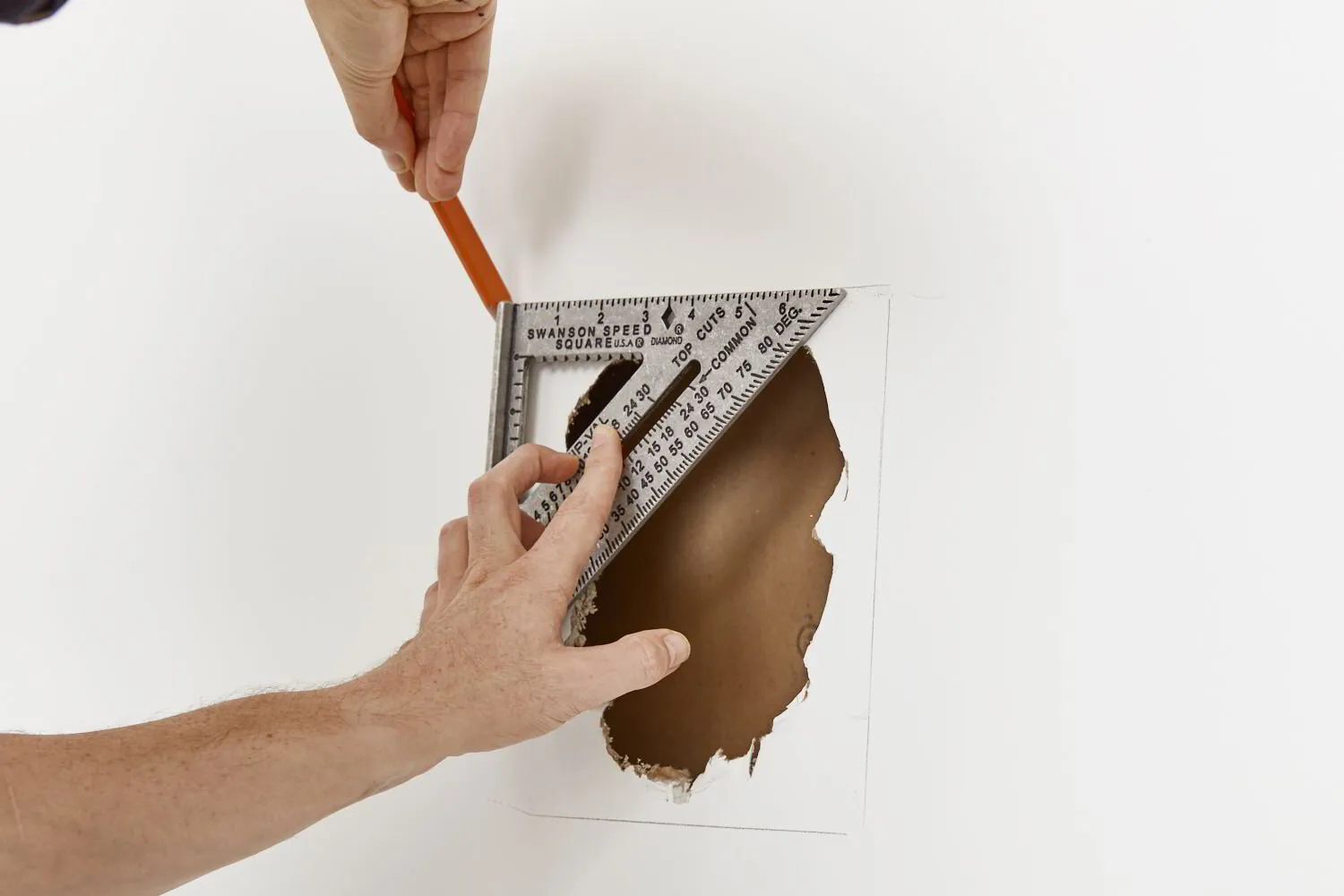
- Cutting a Patch: Measure the hole and cut a piece of drywall that is slightly larger. Then,
trace the outline of the patch onto the wall, cut the drywall along those lines, and fit the
patch into the hole.
- Screwing in the Patch: Secure the patch to the backing support with drywall screws,
ensuring it is flush with the existing wall surface.
Addressing Water Damage Effectively Water damage is one of the most critical issues that can
affect drywall. Correctly addressing it requires both repair and prevention strategies:
- Identify the Source: Before making any repairs, ensure that the source of the water
damage is fixed, whether it’s a leaking pipe or poor ventilation.
- Remove Damaged Sections: Cut out any drywall that has become soft or spongy. Use a
utility knife to create clean edges.
- Use Mold-Resistant Products: In areas prone to moisture, consider using mold-resistant
drywall. This adds an extra layer of protection against future water damage.
- Seal and Prime: After repairs, seal the area with a mold-inhibiting primer before painting
to further protect against mold growth.
Insulating and Reinforcing Thin Spaces When working in tight or undefined spaces, it’s essential
to insulate and reinforce to maintain structural integrity:
- Use Furring Strips: In areas where the drywall is thin, applying furring strips before
hanging drywall can provide a stronger foundation and increase insulation.
- Spray Foam Insulation: For additional insulation in small gaps, consider using spray
foam insulation, which expands to fill voids and creates a tight seal.
By employing these advanced techniques, you can ensure high-quality expert drywall patching
and repairs that stand the test of time. For more information on drywall and construction
materials, visit Lowe's, a reputable home improvement retailer.
Choosing the Right Drywall Repair
Specialists
Qualities to Look for in a Drywall Expert Selecting the right professionals for expert drywall
patching and repairs is crucial for ensuring quality results. Here are some key qualities to
consider:
- Experience: Look for contractors with a robust portfolio demonstrating their experience in
various drywall repairs and installations.
- Licensing and Insurance: Ensure that your chosen experts are properly licensed and
insured to protect you from liability in case of accidents during the repair process.
- Reputation: Research online reviews and ask for referrals. A reputable contractor will
have positive feedback from past clients.
- Clear Communication: The right expert should communicate clearly about the repair
process, timelines, and potential costs.
Researching Local Professionals in the Detroit Area Finding local experts in drywall repair is
essential for convenient services. Here are some strategies to locate qualified professionals in
the Detroit area:
- Online Directories: Use platforms like Angie's List or Yelp to find reputable drywall
specialists near you.
- Social Media: Join local community groups on Facebook or Nextdoor where members
often recommend service providers.
- Home Improvement Stores: Visit local home improvement retailers and ask for
contractor recommendations they trust.
Questions to Ask Potential Contractors Before hiring, it’s important to have a clear
understanding of what to expect. Here are some essential questions to ask during your
consultation:
- What is your experience with drywall patching and repairs?
- Can you provide references from previous clients?
- What is your estimated timeline for the project?
- How do you handle unexpected issues that may arise during repairs?
- What warranty do you offer on your workmanship?
By carefully considering these factors, you’ll be better equipped to select the right professional
for expert drywall patching and repairs in your home. For further guidance, consult resources
from HomeAdvisor, which offers a wealth of information on finding and hiring contractors.
Maintaining Your Drywall After Repairs
Regular Inspections and Preventive Measures After completing expert drywall patching and
repairs, maintaining the integrity of your walls is crucial to prevent future issues. Here are some
guidelines for regular inspections and preventive measures:
- Routine Checks: Conduct periodic inspections of your walls for signs of damage,
moisture, or mold.
- Monitor Humidity Levels: Use a dehumidifier in areas prone to high moisture, like
basements and bathrooms, to prevent water damage.
- Check for Leaks: Regularly examine plumbing fixtures and pipes for leaks that may lead
to water damage in the drywall.
Tips for Preventing Future Damage Taking proactive steps can help you avoid the need for
extensive repairs down the line. Consider implementing the following tips:
- Proper Ventilation: Ensure that areas like bathrooms and kitchens have adequate
ventilation systems to reduce humidity levels.
- Childproofing: If you have children, consider using corner guards and wall protectors to
prevent damage from impacts.
- Furniture Placement: Avoid placing heavy furniture or equipment against the walls to
reduce the risk of dents and scratches.
The Role of Proper Ventilation and Moisture Control Proper air circulation and moisture control
play a significant role in preserving the condition of your drywall. Here’s how to ensure your
home is well-ventilated and moisture-free:
- Install Exhaust Fans: Place exhaust fans in moisture-prone areas like bathrooms and
laundry rooms to help reduce excess moisture.
- Use Humidistats: These devices can monitor humidity levels and adjust your home’s
humidification systems accordingly.
- Air Conditioning Systems: Keeping your air conditioning system well-maintained can
also help regulate indoor humidity levels.
By following these maintenance practices, you can prolong the life of your drywall and minimize
the need for future expert drywall patching and repairs. For further tips and resources on home
maintenance, check out This Old House, known for its comprehensive home improvement
advice.
Conclusion: Ensuring Long-Lasting
Drywall Solutions
Recap of Expert Drywall Patching and Repairs Benefits In summary, expert drywall patching
and repairs are essential for maintaining a pristine and structurally sound home. Here’s a quick
recap of the benefits:
- Quality Workmanship: Professionals bring their expertise, ensuring that repairs are done
correctly the first time.
- Cost-Effectiveness: Investing in expert services can save money in the long run by
preventing future repairs and damage.
- Time Efficiency: Professionals complete repairs quickly, minimizing disruption to your
daily life.
Final Thoughts on Investing in Professional Help When dealing with drywall repair, opting for
expert assistance ensures peace of mind. The right professionals not only enhance the
appearance of your walls but also reinforce the overall structural integrity of your home.
Whether you're facing minor cosmetic issues or significant damage, choosing experienced
drywall specialists is a step toward securing the longevity and beauty of your living space.
To find reputable professionals for your drywall needs, refer to trusted resources like Angie's List
to connect with qualified contractors in your area. Expert drywall patching and repairs are worth
the investment, ensuring that your home remains a safe and beautiful environment for years to
come.
Expert Drywall Patch Repair Checklist
Assessing the Damage Before starting any drywall repair, having a thorough assessment is
essential. Consider the following steps:
- Inspect the Area: Look closely at the damaged drywall to determine the type and extent
of damage.
- Identify Underlying Issues: Check for water damage, mold, or structural weaknesses
that may need to be addressed prior to patching.
- Measure the Damaged Area: Accurately measure the size of the holes or cracks to plan
for material needs and cutting.
Gathering Supplies Properly equipped with the right tools and materials will ensure successful
repairs. Here’s a checklist:
- Tools Required:
○ Utility knife
○ Drywall saw
○ T-square or level
○ Screwdriver or drill
○ Sandpaper or sanding block
○ Putty knife
- Materials Needed:
○ Drywall sheets or patching material
○ Joint compound
○ Drywall tape
○ Primer and paint
○ Backing support for larger patches
Step-by-Step Repair Process Follow this structured approach to ensure effective expert drywall
patching and repairs:
- Prepare the Area: Clear the workspace, protecting floors and furniture from dust and
debris.
- Cut Out Damaged Drywall: Use a utility knife to remove any damaged areas, ensuring
clean, straight edges.
- Install New Drywall: Fit a new piece of drywall and secure it with screws, ensuring it’s
flush with the surrounding material.
- Apply Joint Tape and Compound: Cover seams with drywall tape and add joint
compound, feathering the edges for a seamless finish.
- Sand Smooth: Once the compound is dry, sand the surface to create an even texture.
- Prime and Paint: Finish the repair by priming and painting the patched area to match the
rest of your wall.
By following this expert drywall patch repair checklist, you can effectively restore damaged
areas in your home. For further resources and information about drywall repair, visit The Home
Depot, which offers a variety of tools, materials, and expert advice to help you on your journey.
The Importance of Choosing Quality
Materials for Repairs
Understanding Drywall Materials When it comes to expert drywall patching and repairs,
selecting high-quality materials is fundamental for achieving long-lasting results. Different types
of drywall offer various benefits depending on the location and purpose of the repair:
- Regular Drywall: Great for most interior applications, providing versatility and ease of
installation.
- Moisture-Resistant Drywall: Ideal for humid areas like bathrooms and kitchens, helping
to prevent mold growth.
- Fire-Resistant Drywall: Suitable for garages or furnace rooms, offering additional safety
and compliance with building codes.
- Soundproof Drywall: Designed to minimize sound transmission between rooms,
enhancing privacy in living spaces.
Benefits of Using Quality Materials Investing in quality materials for your drywall repairs can
yield significant advantages:
- Durability: High-quality drywall is less prone to damage, leading to fewer repairs over
time.
- Ease of Repair: Good quality materials make the patching process simpler and more
effective.
- Better Aesthetics: Professional-grade materials provide a smoother, more seamless
finish that looks appealing.
- Increased Safety: Fire and moisture-resistant materials ensure added security,
particularly in critical areas of your home.
Guidelines for Selecting Repair Materials To ensure you are choosing the best materials for your
expert drywall patching and repairs, consider the following guidelines:
- Research Reputable Brands: Opt for well-known manufacturers who have a track record
of quality, such as USG or Georgia-Pacific.
- Consult Professionals: Seek advice from experienced drywall contractors who
can recommend suitable materials for your specific needs.
- Read Product Reviews: Check customer feedback and ratings to gauge the
effectiveness and reliability of the materials you choose.
By prioritizing quality materials in your drywall repairs, you will enhance the durability and
appearance of your walls while minimizing the need for future interventions. For more
information on drywall materials and purchasing options, visit Lowe's, a trusted source for home
improvement products.
What is drywall patching?
Drywall patching is the process of repairing holes, cracks, or damaged areas in drywall. This
typically involves removing the damaged section, installing a new piece of drywall, and applying
joint compound to create a seamless finish. Expert drywall patching ensures that the repair is
both functional and aesthetically pleasing.
How do I know if I need professional help for drywall repairs?
You may need professional help for drywall repairs if the damage is extensive, such as large
holes, water damage, or structural issues. Additionally, if you're unsure how to repair the
damage correctly, hiring an expert can save you time and ensure a high-quality result.
Can I repair drywall myself, or should I hire an expert?
While minor repairs, like small holes or cracks, can often be handled by a DIY enthusiast, more
significant damage may require the skills of a professional. Experts in drywall patching and
repairs can assess the situation, provide quality materials, and ensure the repair blends
seamlessly with the surrounding area.
How long does it take to complete drywall repairs?
The time it takes to complete drywall repairs depends on the extent of the damage and the
complexity of the job. Simple repairs may take a few hours, while larger projects involving
multiple repairs, such as fixing significant water damage or removing large sections of drywall,
may take several days.
What materials are commonly used for drywall repairs?
Common materials used for drywall repairs include drywall sheets or patches, joint compound,
drywall tape, and fasteners like screws or nails. For specific situations, such as bathrooms or
kitchens, moisture-resistant or mold-resistant drywall may also be used to enhance durability
and prevent future issues.
Expert Drywall Patching and Repairs Made
Easy by The Patch Guyz
When it comes to drywall repairs, it’s important to ensure the job is done right the first time.
Whether you're dealing with minor holes or larger cracks, The Patch Guyz makes drywall
patching and repairs easy and hassle-free. Our expert team has the skills and experience to
handle all types of drywall damage, restoring your walls to their original condition quickly and
efficiently. We begin with a thorough assessment of the damage, ensuring we choose the right
materials and techniques for the repair. Our team uses high-quality tools to patch holes and
cracks, leaving a smooth, professional finish that blends seamlessly with the rest of your walls.
With years of experience, we know how to tackle even the most challenging drywall issues,
and we pride ourselves on delivering exceptional results. For fast, reliable drywall repairs,
trust The Patch Guyz to make your home look as good as new.
Related Articles
Find a trusted Drywall Repair Company Today
Finding a trusted drywall repair company can feel like a daunting task, especially when you consider the importance of quality workmanship in maintain…
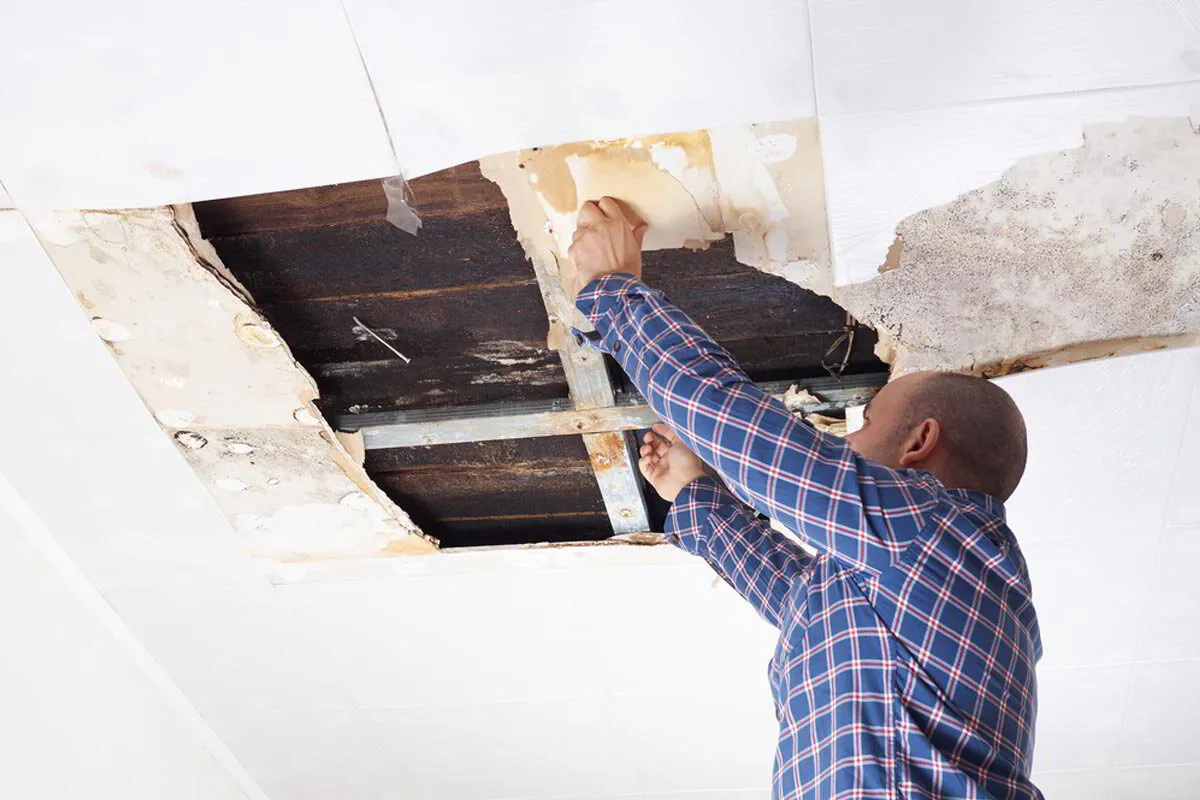
Emergency Drywall Repairs Quick Solutions For Homeowners
Emergency drywall repairs can often feel like a daunting task for homeowners, especially when unexpected damage occurs. Did you know that water damage…