Ceiling Stains From Michigan Ice Dams
Ceiling Stains From Michigan Ice Dams
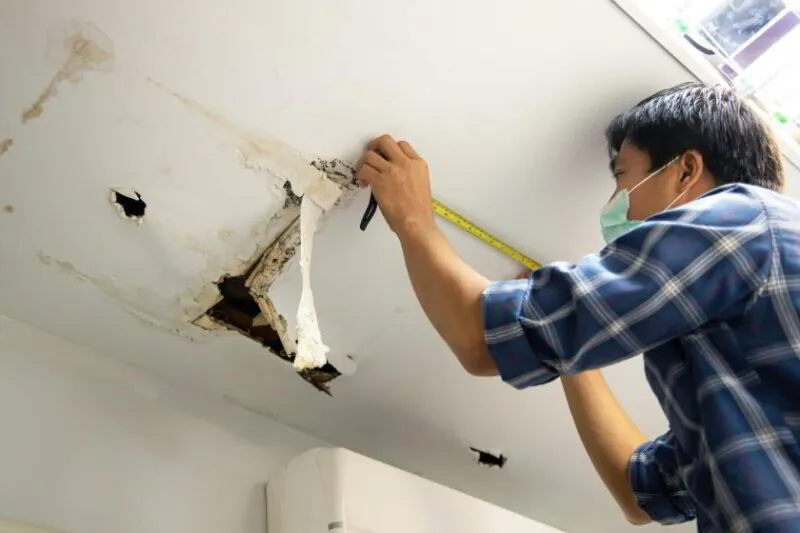
By late November in Southeastern Michigan, the eaves are cold and snow can sit on a roof that is still warmer than the air outside. Meltwater runs down the slope, freezes at that cold edge, and the next melt has nowhere to go but back under the shingles. The yellow or brown ring on the ceiling is the water that got through.
Homeowners in South Lyon, Howell, Brighton, Plymouth, and Ann Arbor usually notice it the same way. A ring shows up near an outside wall. Sometimes it drips. Sometimes it is only a shadow that was not there before the last snow. It is not a hairline from the furnace, and it is not a mark you can paint the afternoon you find it.
This is what to check, how to tell an ice dam stain from a plumbing leak, and when the drywall can be patched instead of cut out. The ceiling work comes after the water stops. A patch on a board that is still getting wet will fail.
How an ice dam reaches the ceiling
Snow on the upper roof melts when heat from the house warms the attic. The water runs toward the eaves, which stick out past the heated wall and stay close to the outdoor temperature. When that edge is below freezing, the water turns to ice and builds a ridge. Later melt, or a sunny afternoon against a cold night, backs up behind the ridge, under the shingles, and into the attic.
From there it wets the insulation and the back of the ceiling. On drywall the paper stains, then softens. On older plaster, common around Ann Arbor, Detroit, and many townships, the same water can loosen the bond to the lath. Wet insulation above the stain can keep feeding the ceiling after the drip has paused.
The usual spot is a stripe or a ring parallel to an outside wall, often under a valley, a low-slope addition, or a north eave that holds snow. Several rooms along the same wall can stain in the same week. A stain in the middle of a ceiling, under a tub or a supply line, is more often plumbing.
What to look at before anyone cuts the ceiling
Start on the floor. Photograph the stain with something for scale, and keep the date with the photo. If it is dripping, put a bucket under it and move what you can. Do not stand under a sagging panel to see whether it will hold.
Press the board gently beside the stain, not in the middle of a bulge.
- Firm board with a tan or brown ring and dry paper can often be finished after the leak is stopped.
- Soft, cool, or spongy gypsum is wet. Compound will not lock that up.
- Bubbled paper, rust at the screw heads, or a musty smell means the face is already damaged.
- A panel that bows between the joists, or tape that has let go in a sheet, needs to come out.
If the attic has a walkway, look from there and stay on the decking. Clumped insulation and streaks on the underside of the roof deck near the eaves fit an ice dam. A dry attic over a wet ceiling often means a pipe, not the roof.
From the ground, a ridge of ice along the eaves, after snow has melted off the upper roof, is the usual picture. A few icicles on a cold morning do not by themselves mean the ceiling is wet. Do not climb up to chip the ice. Clearing a dam or fixing flashing is roof work. The Patch Guyz repair the ceiling after the water has stopped. We do not replace shingles.
Ice dam, pipe, or a crack from the heat
Three things show up in a Michigan house once the weather turns, and they get mixed together.
A heating-season crack is a hairline at a corner or a seam. The wall is firm and dry. Why drywall cracks appear when Michigan heat kicks on is about that line. It is movement and dry indoor air, not a leak. If the same line is stained or the board beside it is soft, treat the water first.
A plumbing leak can happen in any month. It often sits under a bathroom, a kitchen, or a chase, and the attic above it can be dry while the ceiling is wet.
An ice dam stain follows the weather. It shows up after snow and a freeze, often along the outside of the house, and it can pause in a hard cold spell and grow again on the next thaw. If the ring darkens only when snow on that slope is melting, the roof is still the source. Leave the ceiling alone until it has stayed dry through a melt. Filling a damp seam because it also cracked will trap moisture in the joint.
When a stain can be patched
A patch is the right finish only when three things are true together.
The water has stopped, and the stain does not grow when snow on that slope melts. The board is firm past the ring, along the wall, and at the seam. The paper is still attached, the core does not crumble, and screw heads are not pushing through rusted paper.
A dried ring or a short streak, with solid gypsum under blistered paint, can be sealed and refinished. Use a stain-blocking primer before paint. Ordinary ceiling paint over a water stain usually lets the ring come back. Then paint from one break in the ceiling to the next, not a bright square in the middle of an old finish.
Texture has to match. A smooth skim in knockdown or orange peel still reads as a patch, and popcorn is its own surface. Textured wall and ceiling work is part of the finish.
Water-damaged drywall repair is the scope for a ceiling that got wet and can still be saved. Painting prep is what keeps the stain from flashing through the new paint. If you are choosing between a small patch and cutting the panel out, drywall patch versus replacement is the comparison that matters. A patch hides nothing that is still soft.
When the drywall has to come out
Replace the board when the ceiling is no longer a surface you can finish. Soft or sagging drywall will not hold compound. The gypsum turns chalky, a skim cracks off as it dries, or the patch stays damp because the core is still full of water. If a section bows between the joists, or the tape has let go in a sheet, that panel is done.
Cut back to dry, solid board, not just to the edge of the color. Wet insulation above the cut has to come out or be dried before new board goes up, or the new ceiling will stain again even with the roof fixed. If a screw will not bite in the framing, the cavity is not ready.
A large opening, a collapsed panel, or a hole cut so the ceiling could drain is ceiling hole repair, then a finish that matches the room. When the water ran down the wall as well, that is wall and ceiling repair. The outside corner is often stained even when the drip landed on the floor.
Plaster is not drywall with a harder face. If it sounds hollow or has lost its grip on the lath, a drywall patch will not tie it back. Use plaster repair, and see the guide to plaster ceiling repair. Many older ceilings in Washtenaw County and Wayne County are still plaster.
Leave the ceiling open until the cavity is dry. Closing it the day the drip stops traps water in the insulation. A fan in the room helps once the leak is stopped. A heater aimed at the paint skins the surface and leaves the core wet.
Fix the leak before the finish
Stop the water first. A roofer may need to clear the dam, correct ventilation, or repair a flashing the ice pulled open. Raking snow off the lower roof from the ground is not a ceiling repair, and it is not a reason to climb. Then dry the cavity. Soaked insulation does not dry as fast as paint, and the ceiling can feel firm at the edge while the middle is still wet. After that, repair the board, prime for stains, match the texture, and paint.
Compound and paint are not waterproofing. If more than one room is marked, or an insurer is on the roof leak, the ceiling is part of that interior repair. Insurance drywall repair claims is that scope. The finish still waits until the leak has stopped.
A practical order for the week you find the stain
Photograph the stain, catch any drip, and keep people out from under a sag. Note wet insulation along that eave if you can see it from the attic walkway, and look from the ground for ice at the edge. Call whoever handles the roof. Do not paint a ring that is still dark in the center.
Through the next melt, a ring that stays the same size on firm board can be a patch once the roof work is done. A ring that grows, or a ceiling that softens, needs the wet board cut out after the water stops. The finish after that is ordinary ceiling work: tape, thin coats, texture, a stain-blocking primer, then paint. For those steps, see the right approach to fixing water-damaged drywall and water damage drywall repair tips.
This shows up across Oakland County, Livingston County, and Wayne County, including South Lyon, Brighton, Howell, Novi, Plymouth, and Ann Arbor. A low addition, a north eave, and a warm attic are the usual pattern. A newer roof can still dam if heat is melting snow above a cold edge.
Frequently asked questions
Can I paint a ceiling stain from an ice dam?
Only after the leak has stopped and the board is dry and firm. Use a stain-blocking primer first, then paint the ceiling plane. Paint on a damp stain comes back through, and paint on soft drywall fails with the paper.
How do I know if the drywall needs replacing?
Press it gently, away from any sag. If the ceiling is soft, bowed, or the paper is loose, cut that section back to solid board. A firm ceiling with a dried ring can usually be primed and refinished.
Should I patch the ceiling while ice is still on the roof?
No. Stop the water and let the cavity dry first. A patch over an active leak traps moisture, and the new work has to come out after the next thaw.
Is a brown ring always an ice dam?
No. A stain under a bathroom or along a pipe can be plumbing, and it can show up with no snow on the roof. An ice dam stain usually follows snow and a thaw and sits near an outside wall. Find the source before you close the ceiling.
What if the ceiling is plaster?
Treat it as plaster. Wet plaster can lose its bond to the lath, and a drywall patch will not hold it. Have it looked at before you scrape or screw into it.
After the water stops, the ceiling still needs a real finish
The Patch Guyz are based in South Lyon, at 20874 Hasenclever Dr, and repair walls and ceilings across Metro Detroit and Southeastern Michigan. If you have a stain or a soft spot after a freeze and you want a straight read on patch versus replacement, call 1-877-728-2448, text a photo to 248-759-9919, or send a photo estimate. You can also reach us through contact us. The useful first answer is whether the board is still sound, and whether the water above it has actually stopped.
Related Articles
Drywall Fixes Before Holiday Guests in Michigan
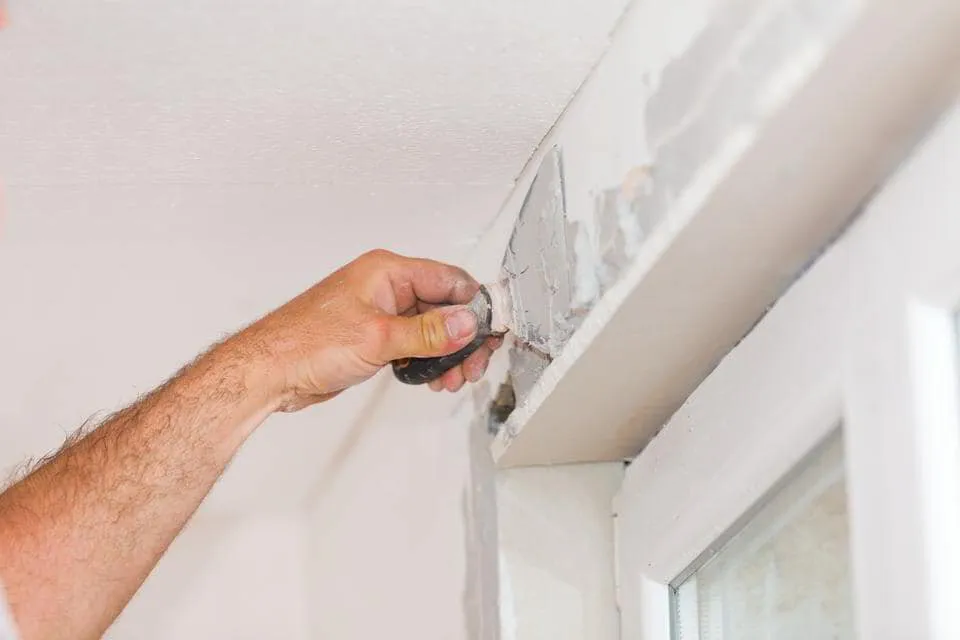
Thanksgiving is close. Here is which nail pops, seam lines, and small holes can be finished in a heated Michigan room this week, and which repairs sho…
Why Drywall Cracks Appear When Michigan Heat Kicks On
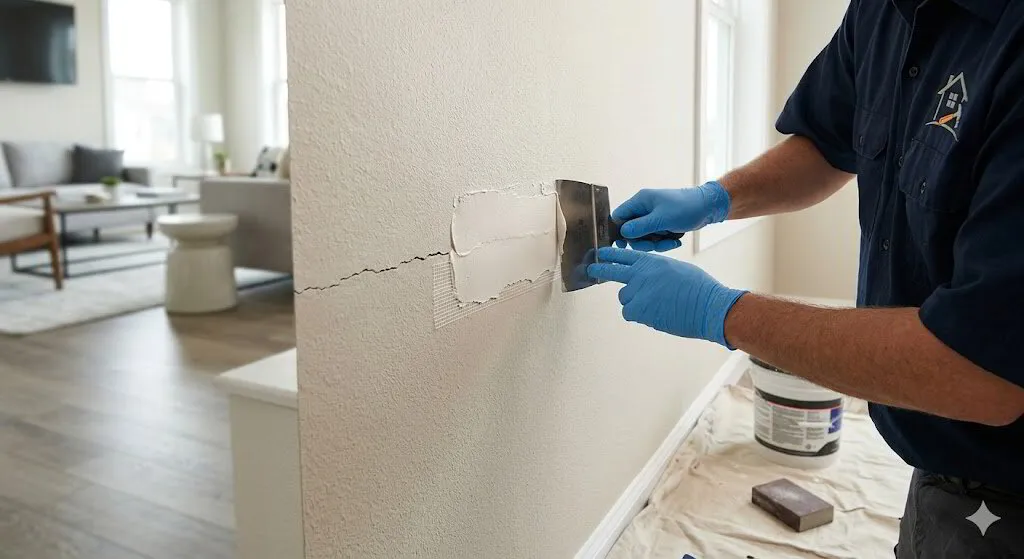
The first weeks of heat in Southeastern Michigan often reveal hairline cracks at corners and seams. Here is how to tell a seasonal line from a crack t…
Flawless Walls: The Complete Guide to Professional Drywall Crack Repair
Expert Guide to Professional Drywall Crack Repair Services Discovering cracks in your drywall can be frustrating, whether you're a homeowner dealing w…