Urgent Solutions for Emergency Drywall Repairs
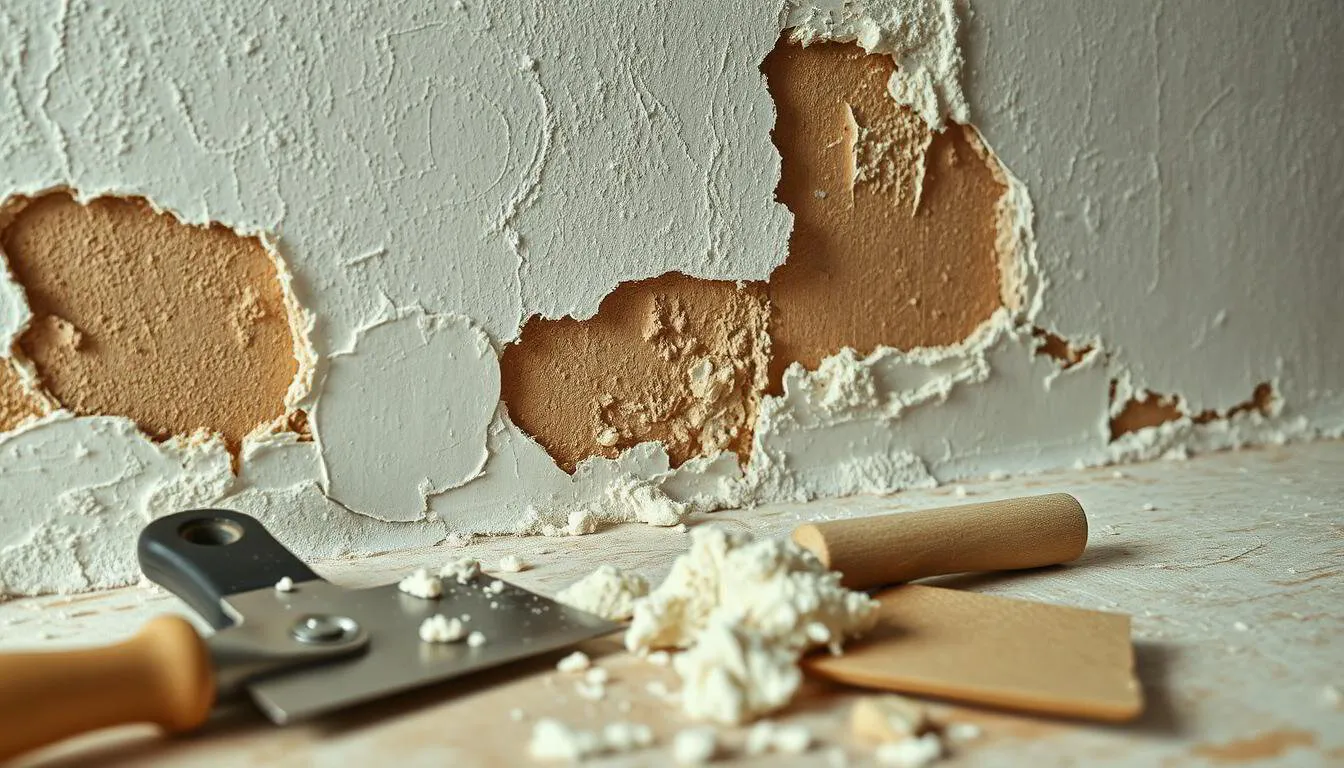
When it comes to home maintenance, emergency drywall repairs can often catch homeowners
off guard, leading to frustration and stress. Did you know that water damage is one of the
leading causes of drywall deterioration, affecting not just the aesthetics of your home but also its
structural integrity? Whether it’s the sudden leak from a burst pipe or the aftermath of a storm,
knowing how to address drywall issues quickly is crucial for preserving your living space. In this
blog post, we'll explore everything you need to know about emergency drywall repairs— from
identifying the signs of damage to understanding when it's best to call in the professionals. Get
ready to empower yourself with essential knowledge that can help safeguard your home against
unexpected drywall emergencies.
Understanding Emergency Drywall Repairs
Emergency drywall repairs refer to the urgent fixes needed when drywall is compromised due to
unforeseen circumstances, such as water damage, structural issues, or accidents. Being aware
of these situations can save you from extensive damage and costly repairs.
Common Causes of Emergency Drywall Repairs
- Water Damage: Leaky roofs, burst pipes, or flooding can lead to water-soaked drywall
that needs immediate attention.
- Accidental Impacts: Furniture, doorknobs, or other objects can accidentally cause holes
and dents in your drywall.
- Settling of the Home: As homes settle over time, cracks may appear in the drywall, which
can become more pronounced and urgent.
Signs You Need Emergency Drywall Repairs
Recognizing the signs of potential drywall emergencies is crucial for maintaining the integrity of
your home. Watch for the following indicators:
- Water Stains: Dark spots or discoloration often signal water damage, which can weaken
wall structures.
- Visible Cracks: Large or expanding cracks may indicate serious structural issues that
require urgent repairs.
- Mold Growth: If you see mold, it may be a sign of moisture problems that need immediate
remediation.
Immediate Actions to Take
If you notice any of the signs above, it's essential to act quickly. Here’s what you can do:
1. Assess the Damage: Determine the extent of the damage to evaluate whether it's a
DIY project or requires professional help.
2. Ensure Safety: Before performing any repairs, ensure that the environment is safe. Turn
off electricity if water has damaged outlets or wiring.
3. Implement Temporary Solutions: Use plastic sheeting or a tarp to cover damaged areas
and prevent further water intrusion if you're dealing with leaks.
The Importance of Quick Response
Responding swiftly to emergencies is vital for several reasons:
- Prevent Further Damage: Quick action can significantly lessen the extent of the damage
and prevent additional repairs.
- Reduce Repair Costs: The longer you wait, the more extensive the damage typically
becomes, leading to higher repair costs.
- Health Hazards: Delaying repairs can lead to mold and mildew growth, which poses
health risks to you and your family.
For more information on handling water damage safely, you can visit ServiceMaster Restore to
see industry guidelines and tips.
Professional Emergency Drywall Repair Services
When it comes to emergency drywall repairs, enlisting the help of professionals often makes
sense. Here are some reasons why:
- Expertise: Professionals are trained to deal with a variety of drywall issues efficiently and
effectively.
- Proper Equipment: They have access to specialized tools and materials that can expedite
the repair process.
- Guaranteed Work: Professional services typically come with warranties, ensuring that the
work is credible and long-lasting.
By understanding the intricacies of emergency drywall repairs, homeowners can take proactive
steps to maintain their homes and avoid costly damage in the future.
DIY vs. Professional Repair
When you experience an emergency involving your drywall, one of the first questions you may
face is whether to tackle the repairs yourself or hire a professional. Understanding the pros and
cons of each approach can help you make an informed decision.
When to Attempt DIY Repairs
For minor damages, such as small holes or minor cracks, you might consider a DIY approach.
Here are some situations where it could be feasible:
- Small Holes: If the hole can fit a quarter or smaller, patching it with a simple compound
may suffice.
- Surface Cracks: Hairline cracks can often be filled and painted over without professional
help.
- Basic Water Damage: If water damage is minimal and you can identify the source, you
may manage basic repairs yourself.
Risks Associated with DIY Emergency Repairs
However, not all drywall repairs are suited for amateur attempts. Here are common risks:
- Inadequate Repair: A poorly executed repair can lead to recurring issues, ultimately
requiring more extensive professional repairs.
- Injury: Working with tools and potentially hazardous materials (especially if dealing
with mold) can result in injury without the right knowledge or safety equipment.
- Hidden Damage: Emergencies can often hide more extensive damage. Without proper
assessment, homeowners risk significant underlying issues going unaddressed.
Cost Comparison: DIY vs. Professional Services
While DIY repairs may seem cost-effective, consider the following factors:
- Materials Costs: Although materials for simple repairs can be affordable, specialized
materials for significant water damage can be expensive.
- Time Investment: DIY repairs often take longer than anticipated, leading to potential
frustration and additional costs.
- Long-Term Costs: Improper repairs can lead to bigger problems later, resulting in
more expensive repairs down the line.
Professional emergency drywall repairs can be a more sensible choice, especially in complex
situations. They ensure that the repairs meet building codes and that the underlying issues are
correctly identified and fixed.
For more information on professional drywall services, you can visit HomeAdvisor to find vetted professionals in your area who specialize in emergency drywall repairs.
Preventative Measures for Future Emergencies
Taking proactive steps to maintain your drywall can save you from the stress and costs
associated with emergency drywall repairs. Implementing preventative measures not only
safeguards your home but can also enhance its overall value.
Regular Maintenance Tips
Incorporating a few maintenance habits into your routine can ensure that your drywall remains
in good condition. Consider the following:
- Routine Inspections: Check for signs of water damage, cracks, or other issues at least
twice a year.
- Monitor Humidity Levels: Use a dehumidifier in areas prone to moisture, such as
basements, to prevent mold and deterioration.
- Seal Cracks and Gaps: Use caulking to seal gaps around windows, doors, and plumbing
fixtures to prevent water entry.
Investing in Quality Materials
Choosing high-quality materials during any remodeling or repair work can pay off in the long run.
Here are some areas where quality matters:
- Drywall Type: Consider using moisture-resistant drywall in areas with frequent water
exposure, such as bathrooms and kitchens.
- Paint and Finishes: Opt for high-quality paints with mold-resistant properties to protect
your walls from moisture buildup.
Importance of Timely Repairs on Minor Issues
Addressing minor issues as soon as they arise can prevent them from escalating into major
problems. Here’s why timely repairs are beneficial:
- Cost-Effectiveness: Fixing small cracks or minor water damage quickly saves you
money compared to larger potential repairs.
- Maintaining Aesthetic Appeal: Timely repairs help keep your home looking
well-maintained and inviting.
- Increased Safety: By addressing potential hazards like mold or weak walls, you protect
both your family and property.
Implementing these preventative measures can significantly reduce the likelihood of needing
emergency drywall repairs in the future. By fostering a proactive mindset regarding home
maintenance, you can enjoy a healthier, safer living environment.
For further guidance on home maintenance practices, consider visiting This Old House for expert
advice and resources.
Conclusion
In summary, understanding the intricacies of emergency drywall repairs is crucial for
homeowners who wish to maintain the integrity and safety of their living spaces. Quick
identification of issues, immediate action, and knowing when to call for professional help can
make a significant difference in management and cost savings.
Key Takeaways:
- Recognize the signs that indicate a need for emergency drywall repairs, such as water
damage and visible cracks.
- Understand when to attempt DIY repairs and the potential risks involved.
- Prioritize professional services for extensive damage to ensure thorough and safe repairs.
- Implement regular maintenance routines and preventative measures to minimize future
risks.
By staying informed and proactive, you can protect your home from unexpected drywall issues.
Regular inspections and timely interventions will not only save you money but also create a
healthier living environment.
For more insights on maintaining your home and tackling repairs, consider checking out Angie's
List, a reputable resource for finding home repair professionals and advice.
Resources for Emergency Drywall Repairs
Having the right resources at your disposal can make all the difference when facing emergency
drywall repairs. Whether you're a DIY enthusiast looking to tackle small jobs or a homeowner
seeking professional help, knowing where to find quality information and services is essential.
Online Resources
There are numerous websites that provide tips, tutorials, and guidance on drywall repairs. Some recommended resources include:
- Home Repair Tutorials: Websites like This Old House offer comprehensive guides on
drywall repairs, including instructional videos and articles on techniques.
- DIY Forums: Joining forums such as DIY Network can connect you with experienced
homeowners and professionals who share tips and advice on handling emergencies.
- Manufacturer Websites: Many drywall manufacturers provide installation guides and
best practice recommendations. For example, USG offers extensive resources on
drywall products and installation techniques.
Professional Services
When the damage is beyond a simple fix, professional services are crucial. Here are some tips
for finding reputable emergency drywall repair services:
- Online Directories: Websites like Angie’s List and HomeAdvisor allow you to search for
verified contractors in your area who specialize in drywall repairs.
- Local Recommendations: Asking friends, family, or neighbors for referrals can lead you
to trusted professionals who have provided quality work in your community.
- Check Reviews: Look for companies with verified customer reviews on platforms like
Google or Yelp to get a sense of their quality and reliability.
Emergency drywall repairs may seem daunting, but with the right knowledge and resources, you
can effectively manage and resolve these issues. Remember that quick action and informed
decisions will help protect your home and ensure it remains a safe environment for you and your
family.
Common FAQs About Emergency Drywall Repairs
When facing emergency drywall repairs, it's common to have questions regarding the best
approach, costs, and timelines. Below are some frequently asked questions that can help guide
your understanding.
What Should I Do First When I Notice Damage?
The initial steps are crucial:
- Assess the Damage: Determine the extent of the damage. A small hole can be a DIY
project, while extensive water damage may require professional help.
- Ensure Safety: Before proceeding, turn off any electricity in the affected area if there is
water exposure. This precaution helps prevent electrical hazards.
How Much Do Emergency Drywall Repairs Cost?
Costs can vary widely based on factors like:
- Extent of Damage: Minor repairs will generally be less expensive than extensive water
damage or structural issues.
- Labor Costs: Hiring a professional will add labor costs, which can vary by region.
- Materials Required: The type of materials needed (standard vs. moisture-resistant
drywall) will affect the overall cost.
Can I Prevent Damage from Happening in the Future?
Yes, taking preventative steps is essential:
- Regular Inspections: Periodically check for signs of damage or wear.
- Upgrade Materials: Use moisture-resistant drywall in high-risk areas like bathrooms and
kitchens.
- Proper Maintenance: Seal any cracks or gaps that may allow water intrusion to prevent
leaks before they start.
How Long Do Emergency Drywall Repairs Take?
Repair times can depend on the severity of the damage:
- Minor Repairs: Simple fixes, like patching small holes, may take just a few hours.
- Major Damage: More extensive repairs, such as those stemming from water damage,
can take several days depending on drying time and necessary repairs.
Is It Safe to Attempt DIY Repairs?
DIY repairs can be safe if:
- You Understand the Process: Ensure you have a clear understanding of how to perform
the repairs.
- Safety Equipment is Used: Always wear safety gear and work in a well-ventilated area,
especially when dealing with drywall dust or mold.
For additional insights and resources on home repairs, consider visiting The Home Depot, a
trusted source that offers DIY guides and product recommendations for all types of repairs,
including emergency drywall repairs.
Tips for Choosing the Right Contractor for Emergency Drywall Repairs
Selecting the right contractor for emergency drywall repairs is critical to ensuring quality work
and peace of mind. With so many options available, it can be challenging to make an informed
decision. Here are some tips to guide you through the process.
Research and Reviews
Start by conducting thorough research:
- Online Reviews: Look for contractors with positive feedback on websites like Google,
Yelp, or Angie's List. Reviews from previous clients provide valuable insights into their
reliability and quality of work.
- Referrals: Ask friends, family, or neighbors for recommendations based on their
experiences.
Check Credentials
Ensure that any contractor you consider meets the following criteria:
- Licensing: Verify that they have the necessary licenses and are compliant with local
regulations.
- Insurance: Confirm that the contractor has liability insurance and workers' compensation
to protect yourself from potential liabilities.
- Experience: Inquire about their experience specifically in emergency drywall repairs to
ensure they have the expertise needed for your situation.
Ask Questions
Prepare a list of questions to ask potential contractors:
- How quickly can you start? In emergency situations, a prompt response is essential.
- What is your repair process? Understanding their approach can help you gauge their
professionalism.
- Do you provide a warranty? A warranty on their work signifies that the contractor stands
behind their services.
Get Multiple Estimates
It's wise to obtain estimates from several contractors:
- Compare Prices: Getting multiple quotes helps you gauge the average cost for the
repairs needed.
- Assess Scope of Work: Ensure each contractor outlines the specifics of their proposed
repairs, so you can make an informed comparison.
Follow Up
Once you've chosen a contractor:
- Communicate Clearly: Ensure that you discuss project expectations and timelines
clearly.
- Stay Engaged: Regularly check in on the progress to ensure satisfaction with the work
being done.
Choosing the right contractor for emergency drywall repairs can save you time, money, and stress
in the long run. Taking the time to do your research and ask the right questions will help you
achieve a successful repair.
For more resources on finding trusted contractors, you can visit Angie's List for a curated list of
professionals in your area.
Understanding the Timeline for Emergency Drywall Repairs
When faced with emergency drywall repairs, one of the most pressing concerns for homeowners
is the timeline. Understanding how long the repair process may take can help you plan
accordingly and set realistic expectations.
Initial Assessment and Planning
The repair timeline starts with an initial assessment and planning phase:
- Damage Assessment: A professional will evaluate the extent of the damage. This can
typically be done within a few hours.
- Estimates: Contractors will provide cost estimates and a proposed timeline, usually
within 24 to 48 hours after assessment.
Repair Process Duration
The actual repair duration will depend on various factors, including the severity of the damage:
- Minor Repairs: Quick fixes, such as patching small holes or minor cracks, may only take
a few hours to complete.
- Moderate Repairs: For repairs involving larger holes or water damage, expect the
process to take one to three days. This allows time for proper drying and treatment.
- Extensive Damage: If the drywall has significant water damage or structural issues,
repairs can take several days to a week, especially if materials need to be replaced or
dried out thoroughly.
Drying Time Considerations
In cases of water damage, drying time is a critical factor:
- Humidity Levels: High humidity can prolong drying time. Using dehumidifiers and fans
can help speed up this process.
- Material Type: Traditional drywall takes longer to dry compared to moisture-resistant
alternatives.
Final Touches
Once the repairs are completed, follow-up tasks may be needed:
- Painting and Finishing: After repairs, time will be needed for painting and finishing,
which might add additional days to the overall timeline.
- Final Inspection: A final walkthrough with the contractor ensures that everything
meets your expectations, usually done within a day.
By understanding the timeline for emergency drywall repairs, homeowners can alleviate some
of the stress associated with unexpected damage. This knowledge also empowers homeowners
to make informed decisions about hiring professionals and initiating repairs.
For more insights on home repair timelines, consult resources from The Home Depot which
offers guidance and expert advice on various home improvement projects.
What are the most common causes of emergency drywall repairs?
The most common causes of emergency drywall repairs include water damage from leaks or
flooding, accidental impacts from furniture or equipment, and structural issues such as settling
or cracking. Each of these can lead to significant damage if not addressed promptly.
How can I determine if I need emergency drywall repairs?
You may need emergency drywall repairs if you notice signs such as water stains, visible
cracks or holes, sagging areas, or peeling paint. These indicators suggest that there is
underlying damage that requires immediate attention to prevent further deterioration.
How long does it take to complete emergency drywall repairs?
The duration of emergency drywall repairs varies based on the severity of the damage. Minor
repairs can often be completed in a few hours, while extensive damage or water-related issues
may take a few days to a week, particularly if drying time is needed.
Can I handle emergency drywall repairs on my own?
While small repairs, such as patching holes or minor cracks, can often be done as a DIY
project, it's essential to recognize when the damage is beyond your expertise. Hiring a
professional is advisable for extensive repairs or water damage to ensure a safe and thorough
job.
What should I look for in a contractor for emergency drywall repairs?
When choosing a contractor for emergency drywall repairs, ensure they have the appropriate
licensing and insurance. Look for online reviews and testimonials, ask for referrals, and obtain
multiple estimates to compare pricing and scope of work before making your decision.
Fast and Reliable Emergency Drywall Repair Services from The Patch Guyz
When disaster strikes and drywall damage occurs unexpectedly, The Patch Guyz is here to
provide fast, reliable emergency repair services. Whether it's due to water leaks, accidental
damage, or sudden impacts, we understand the urgency of getting your walls repaired quickly.
Our team is available for immediate service, offering expert repairs that restore the beauty and
functionality of your space. We pride ourselves on delivering efficient, high-quality repairs with
minimal disruption to your daily life. Trust The Patch Guyz for fast, dependable emergency
drywall repairs you can count on when you need them most.

Related Articles
Ultimate Guide: How To Repair Textured Walls Like A Pro
Ultimate Guide: How to Repair Textured Walls Like a Pro Textured walls have become a defining feature in countless homes across Southeastern Michigan,…
The Ultimate Guide to Finding the Best Drywall Repair Services Near You
Finding the Best Drywall Repair Services Near You: A Comprehensive Guide When damage strikes your walls or ceilings, finding reliable repair services …
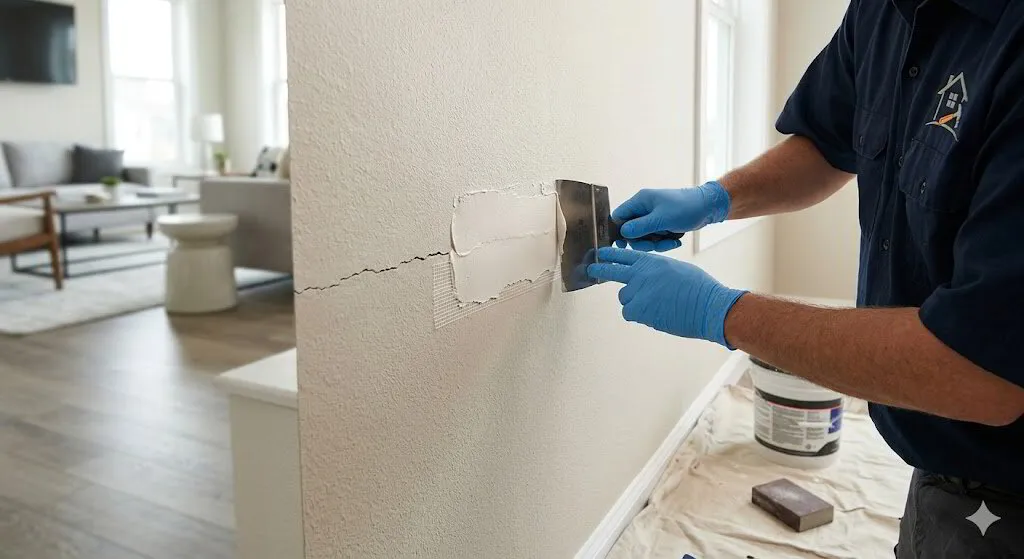
Flawless Walls: The Complete Guide to Professional Drywall Crack Repair
Expert Guide to Professional Drywall Crack Repair Services Discovering cracks in your drywall can be frustrating, whether you're a homeowner dealing w…