Cost Effective Drywall Installation Techniques
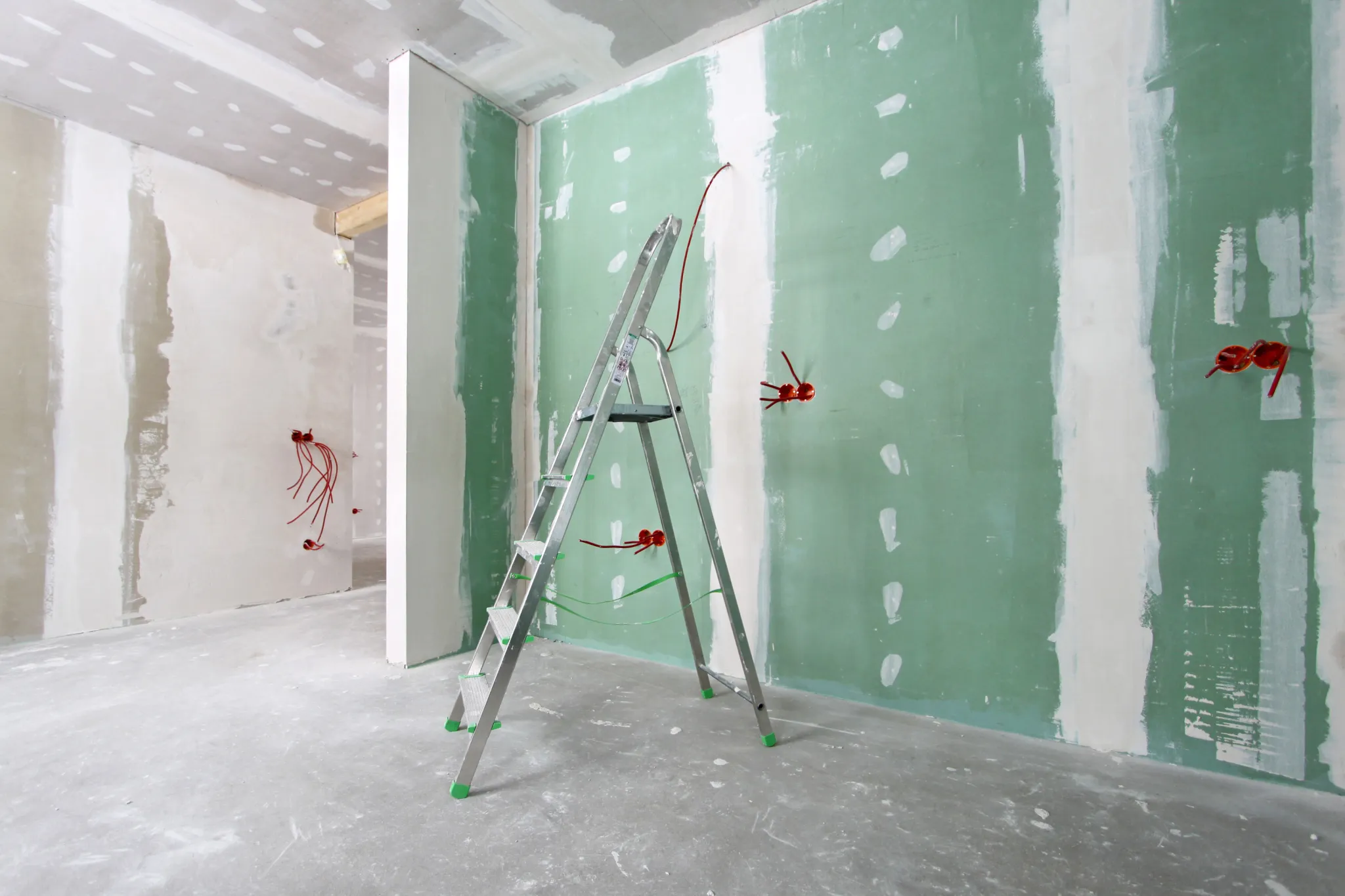
Cost-effective drywall installation is a goal for many homeowners and contractors looking to
enhance their spaces without breaking the bank. Did you know that drywall can account for as
much as 15-20% of the total cost of a renovation or construction project? This statistic
underscores the importance of carefully managing drywall-related expenses. Whether you're
dealing with a simple repair or a complete overhaul, understanding how to achieve cost-effective
solutions can save you time, money, and stress. In this blog post, we will explore key strategies,
innovative techniques, and essential maintenance tips that will help you navigate the world of
drywall installations efficiently and economically.
Understanding Cost-Effective Drywall
Installation
Cost-effective drywall installation refers to strategies and techniques designed to minimize
expenses while maintaining quality and durability. As homeowners or contractors, understanding
these methods is crucial for achieving a successful and budget-friendly project.
Importance of Choosing Cost-Effective Solutions
Opting for cost-effective drywall installation can significantly impact your overall renovation
budget. Here are a few reasons why selecting economical options is advantageous:
- Budget Management: Staying within your budget is essential for any home improvement
project.
- Quality Assurance: Cost-effective doesn’t mean low quality; there are numerous
materials and techniques that deliver great results without high costs.
- Increased Home Value: Well-executed drywall installation adds to the aesthetic appeal of
a home, potentially increasing its market value.
Common Myths About Drywall Installation Costs
Many misconceptions can lead homeowners astray when it comes to drywall installation. Here
are some myths to be aware of:
- Myth #1: All drywall materials are the same.
- Myth #2: Hiring a professional is always more expensive than doing it yourself.
- Myth #3: Cost-effective means subpar work.
Understanding these myths allows homeowners to make informed decisions and ultimately
steer clear of unnecessary costs.
Factors Affecting Cost-Effective Drywall Installation
When planning a drywall installation, several factors can influence your costs. Recognizing
these elements can help you strategize effectively.
1. Material Selection
○ Opt for lower-cost drywall options, such as standard gypsum board.
○ Consider alternatives like eco-friendly options to potentially save on energy costs in
the long run.
2. Labor Costs
○ Hiring local contractors may save on transportation expenses.
○ Prices vary; getting multiple quotes can find the best deal.
3. Project Complexity
○ Straightforward installations are cheaper than intricate designs.
○ Assess the structural factors that may complicate the job.
4. Location Considerations
○ Costs can differ based on the region, with urban areas typically exhibiting higher
expenses.
By focusing on these elements, you can enhance your chances of executing a cost-effective
drywall installation without compromising quality. For further insights on drywall products and
trends, consider visiting USG, a leading company in the construction industry.
Tips for Achieving Cost-Effective Drywall
Installation
Achieving a cost-effective drywall installation requires careful planning and execution. By
following some practical tips, you can ensure that your project stays on budget while
maintaining high standards.
Planning and Budgeting
A well-thought-out plan is the foundation of a successful drywall project. Here are key steps to
consider:
- Set Realistic Expectations: Understand the scope of the project and set attainable
goals.
- Create a Detailed Project Plan: Outline each phase of the installation, including timelines
and associated costs.
Choosing the Right Materials
The choice of materials can significantly impact your overall expenses. Here are some options
to consider for cost-effective drywall installation:
- Standard Drywall: This is the most common and affordable choice for most projects.
- Moisture-Resistant Drywall: Ideal for areas like bathrooms and kitchens, it adds
longevity at a reasonable price.
- Eco-Friendly Drywall: While slightly more expensive, it can lead to savings on energy
bills over time.
Hiring Skilled Professionals
Involving experienced contractors is vital for achieving a smooth installation. Consider the
following:
- Importance of Experience: Hiring skilled professionals can prevent costly mistakes
during the installation process.
- Advantages of Local Contractors: Local professionals often understand regional codes
and can save time and money.
By focusing on these tips, you can ensure that your cost-effective drywall installation results in a
quality finish without overspending. For more insights on construction materials, check out
GIPSA, a trusted resource in the industry.
Innovative Techniques for Cost-Effective
Drywall Installation
Implementing innovative techniques can enhance the cost-effectiveness of your drywall
installation. By adopting modern methods and materials, you can streamline the process and
reduce overall expenses.
Prefabricated Panels
Using prefabricated panels can drastically reduce labor time and installation costs. Here’s how
they benefit your project:
- Quick Installation: Panels are ready to install, minimizing on-site labor time.
- Reduced Waste: Prefabrication helps limit excess material waste, which can lower
overall costs.
- Consistent Quality: Factory-manufactured panels ensure uniform quality and finish.
Various Installation Methods
Choosing the right installation technique can significantly impact your project’s efficiency and
costs. Consider the following methods:
- Standard Drywall Installation: The traditional method is effective for most home
projects.
- Advanced Techniques: Techniques like 'stacking' or using 'floating corners' can save
time and materials.
- Suspended Ceilings: Using a suspended ceiling can conceal wiring and ducts while
allowing easy access and reducing installation time.
DIY Drywall Techniques (when appropriate)
For those looking to save on labor costs, DIY drywall installation can be a viable option. Here
are some considerations:
- Pros:
○ Cost savings on labor.
○ Greater control over the project timeline.
- Cons:
○ Requires some level of skill and knowledge.
○ Mistakes can lead to higher costs down the line.
When opting for DIY, ensure you are familiar with safe practices and techniques. For
comprehensive guidance on materials, you might visit CertainTeed, a leading manufacturer in
the construction sector.
Exploring these innovative techniques can lead to a more cost-effective drywall installation,
ensuring you achieve quality results within your budget.
Maintenance Tips for Cost-Effective
Drywall Longevity
Proper maintenance is essential for ensuring the durability of your drywall and protecting your
initial investment in cost-effective drywall installation. Regular upkeep can prevent costly repairs
down the line and prolong the life of your walls.
Regular Inspection and Repair
Routine inspections help identify any issues before they escalate. Here’s what to look for:
- Check for Cracks: Small cracks can often be repaired easily before they widen.
- Look for Water Damage: Inspect areas near plumbing and roofs to catch leaks early.
- Surface Cleanliness: Regularly clean walls to avoid buildup that can damage the surface
over time.
Weatherproofing and Moisture Control
Maintaining a stable environment is vital for drywall longevity. Keep these pointers in mind:
- Seal Gaps and Cracks: Use caulking or weather stripping to seal any gaps around
windows and doors.
- Control Humidity: Utilize dehumidifiers if necessary to keep moisture levels down,
particularly in high-humidity areas like basements.
- Ensure Proper Ventilation: Good airflow can help prevent moisture accumulation and
mold growth.
Periodic Upgrading
Upgrading certain elements can maximize the longevity of your drywall. Consider these options:
- Repainting: Periodically repainting your walls can protect against wear and tear.
- Installing Protective Panels: In high-traffic areas, adding durable panels can shield the
drywall from damage.
- Choosing Paint with Mold Resistance: This is especially important in areas prone to
moisture, as it can help maintain the integrity of your drywall.
By implementing these maintenance tips, you can ensure that your cost-effective drywall
installation lasts longer and remains in great condition. For more information on drywall care,
visit Knauf Insulation, a leading firm in insulation and drywall solutions.
Conclusion
In conclusion, achieving a cost-effective drywall installation is entirely feasible with the right
strategies and considerations. By understanding the importance of material selection, labor
costs, and innovative installation techniques, you can significantly reduce expenses without
sacrificing quality.
Summary of Key Points
- Know Your Materials: Opt for economical materials like standard drywall or
moisture-resistant options based on your specific needs.
- Effective Planning and Budgeting: Draft a clear project plan that outlines timelines and
costs to avoid unexpected expenses.
- Innovative Installation Techniques: Consider methods like prefabricated panels or
advanced installation techniques to save time and resources.
- Regular Maintenance: Perform routine inspections and address minor issues to prolong
the life of your drywall and maintain its appearance.
Encouragement to Explore Cost-Effective Options
Investing time in research and planning can lead to significant savings and a more efficient
process. As you embark on your drywall installation journey, remember that cost-effective
solutions are available, allowing you to achieve beautiful results within your budget. For further
guidance on drywall materials and techniques, check out Georgia-Pacific, which offers extensive
resources and product information for home improvement projects.
Factors Affecting Cost-Effective Drywall
Installation
When planning your drywall installation, it's essential to understand the various factors that can
influence its cost-effectiveness. By being aware of these elements, you can make informed
decisions that help keep your project within budget and on target.
Material Selection
Choosing the right materials is one of the most significant aspects affecting the cost of drywall
installation. Here are some options to consider:
- Standard Drywall: This is the most cost-effective choice and suitable for general
applications.
- Moisture-Resistant Drywall: Ideal for areas prone to dampness, such as bathrooms and
kitchens, these materials can prevent long-term damage.
- Lightweight Drywall: Easier to handle and install, lightweight drywall can save on labor
costs without compromising quality.
Labor Costs
Labor can represent a substantial portion of your overall costs. Consider the following:
- Hiring Skilled Professionals: While it may seem more expensive upfront, experienced
contractors can complete the job more efficiently, potentially saving you money in the long
run.
- Local vs. Outside Contractors: Local contractors may offer better rates due to lower
travel costs.
- DIY Considerations: If you have the skills and knowledge, DIY can reduce labor
expenses, but weigh the risks of potential mistakes that can lead to higher costs.
Project Complexity
The complexity of your drywall installation can also impact costs:
- Simple Installations: Straightforward projects, like a flat wall, are generally less
expensive.
- Architectural Features: Additional elements like arches, niches, or vaulted ceilings can
increase both labor and material costs.
- Existing Conditions: If you need to address structural issues or remove old materials,
this can add to the overall expense.
By taking these factors into account, you can identify ways to achieve a cost-effective drywall
installation. For more insights on drywall materials and techniques, consider visiting American
Gypsum, a leader in the drywall industry that provides valuable resources.
What is cost-effective drywall installation?
Cost-effective drywall installation refers to strategies and practices aimed at minimizing
expenses while ensuring high-quality results. This involves careful material selection, efficient
labor management, and the use of innovative installation techniques that can save both time
and money during the renovation or construction process.
How can I reduce labor costs for my drywall installation?
To reduce labor costs, consider hiring local contractors who may offer competitive pricing, or
exploring the option of doing it yourself if you have the necessary skills. When hiring
professionals, obtaining multiple quotes can help you find the best deal. Additionally, organizing
your project well can increase efficiency, thereby reducing the time laborers need to complete
the job.
What materials are best for cost-effective drywall installation?
The best materials for cost-effective drywall installation include standard drywall, which is the
most economical choice for general use, and moisture-resistant drywall for areas prone to
dampness, such as kitchens and bathrooms. Lightweight drywall is another option, as it is
easier to handle and install, potentially lowering labor costs.
Are there any innovative techniques to save money on drywall
installation?
Yes, innovative techniques such as using prefabricated panels can significantly reduce
installation time and labor costs. Advanced installation methods, like stacking or using floating
corners, can also enhance efficiency. These techniques not only save money but can also result
in a smoother finish.
How can I maintain my drywall to prevent costly repairs?
Regular maintenance is key to preventing costly repairs in your drywall. This includes
performing routine inspections to identify any cracks or water damage early on, maintaining
humidity levels to avoid mold growth, and periodically repainting to protect against wear and
tear. Proper care will help prolong the life of your drywall and maintain its appearance.
Affordable Drywall Installation Solutions
with The Patch Guyz
At The Patch Guyz, we specialize in providing affordable drywall installation services
without sacrificing quality. Our team uses time-saving methods and cost-effective
materials to ensure your installation is completed efficiently and within budget. By
focusing on precision and minimizing waste, we are able to offer competitive pricing
while maintaining the highest standards in drywall installation. Whether you're renovating
a single room or completing an entire home, you can trust The Patch Guyz to deliver
excellent results that last. Let us handle your drywall needs with expert craftsmanship
and affordable solutions tailored to fit your budget.
Related Articles
Ultimate Guide: How To Repair Textured Walls Like A Pro
Ultimate Guide: How to Repair Textured Walls Like a Pro Textured walls have become a defining feature in countless homes across Southeastern Michigan,…
The Ultimate Guide to Finding the Best Drywall Repair Services Near You
Finding the Best Drywall Repair Services Near You: A Comprehensive Guide When damage strikes your walls or ceilings, finding reliable repair services …
Flawless Walls: The Complete Guide to Professional Drywall Crack Repair
Expert Guide to Professional Drywall Crack Repair Services Discovering cracks in your drywall can be frustrating, whether you're a homeowner dealing w…