Cost Effective Drywall Installation Tips (2)
When it comes to home renovations, cost-effective drywall installation can make or break your
budget. Did you know that drywall typically accounts for a substantial portion of overall
construction costs? Whether you’re renovating a single room or undertaking a major remodel,
understanding how to manage drywall expenses is essential for maximizing value without
sacrificing quality. From selecting the right materials to choosing between DIY and professional
help, there are numerous strategies you can employ to ensure your drywall project is efficient
and economical. In this blog post, we will explore practical tips and techniques that will help you
achieve a successful and cost-effective drywall installation, allowing you to enjoy your newly
finished space without breaking the bank.
Understanding Drywall Installation Costs
Drywall installation can vary widely in terms of cost, depending on several factors.
Understanding these key components can help you make informed decisions and ultimately
lead to more cost-effective drywall installation.
Factors Influencing Installation Costs
Several factors can significantly impact the overall cost of your drywall project:
- Material Quality: Higher-quality drywall can reduce the need for repairs and provide
better durability over time.
- Labor Costs: These can vary depending on your location and the experience of the
contractors.
- Complexity of the Job: Simple designs are generally less expensive than intricate
layouts or repairs.
Comparing DIY vs. Professional Installation
Making the choice between DIY and hiring professionals is crucial for cost-effective drywall
installation. Here’s a breakdown of considerations:
- DIY Pros:
○ Saves on labor costs
○ Complete control over the project timeline
- DIY Cons:
○ Time-consuming, especially for inexperienced individuals
○ Potential for mistakes, leading to additional costs
- Professional Pros:
○ Expertise leads to higher quality work
○ Faster completion time
- Professional Cons:
○ Higher upfront cost
If you decide to hire professionals, research local contractors thoroughly and obtain multiple
quotes to find a price that fits your budget.
Planning Your Drywall Project
To ensure a successful and cost-effective drywall installation, planning is essential. Here are
steps to consider:
Setting a Realistic Budget
- Determine your maximum spending limit based on the scope of your project and stick to
it.
- Account for unexpected expenses by adding a buffer of about 10-15% to your budget.
Estimating Material Costs
- Research prices from local hardware stores or big suppliers, such as Home Depot or
- Calculate the amount of drywall you will need based on room dimensions.
Choosing the Right Materials for Cost Savings
- Select standard drywall for everyday use and consider moisture-resistant options for
areas prone to humidity, like bathrooms and kitchens.
- Explore alternatives such as recycled drywall, which can be more affordable and
eco-friendly.
For more detailed information on drywall products and pricing, visit Home Depot for an
extensive range of materials that fit various budgets.
Cost-Effective Drywall Installation
Techniques
Implementing the right techniques can dramatically reduce the costs associated with drywall
installation. Here are several effective strategies to consider for a cost-effective drywall
installation.
Selecting the Appropriate Drywall Type
Selecting the right type of drywall can help minimize costs while ensuring the durability of your
installation. Here are some common types:
- Standard Drywall: The most common type, suitable for most interior walls and ceilings.
- Moisture-Resistant Drywall: Ideal for kitchens and bathrooms to prevent mold growth.
- Soundproof Drywall: Provides acoustic insulation, especially useful in multi-family
dwellings.
Efficient Measurement and Cutting Practices
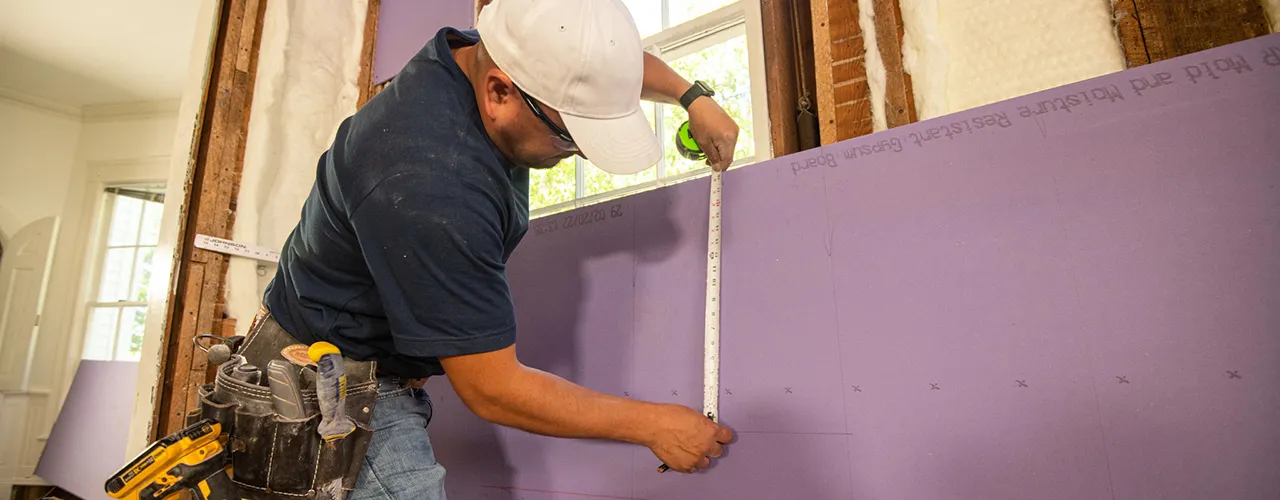
Accurate measurement and cutting can save materials and reduce waste. Follow these tips
to enhance your efficiency:
- Measure Twice, Cut Once: Always double-check your measurements before making
cuts.
- Use Clean Tools: Sharp knives and proper cutting tools lead to precise cuts, minimizing
scrap.
- Plan Layout Carefully: Arrange your drywall sheets in a way that reduces seams and
overlaps.
Streamlining the Installation Process
A well-organized installation process not only saves time but also reduces labor costs. Here are
steps to streamline your project:
- Gather Materials in Advance: Ensure you have all needed materials on-site to avoid
delays.
- Implement Teamwork: If working with others, clearly delegate tasks to enhance
efficiency.
- Follow a Systematic Approach: Work from one side of the room to the other to maintain
order and clarity throughout the installation.
By utilizing these cost-effective drywall installation techniques, you can ensure a smoother
process and stay within your budget. For further insights into drywall installation and materials,
visit Lowe's for comprehensive resources and product offerings.
Tools and Equipment for Budget-Friendly
Drywall Work
Choosing the right tools and equipment is essential for achieving a cost-effective drywall
installation. Understanding which tools are necessary, as well as how to manage them, can help
you save money and time.
Essential Tools for DIYers
For those planning a DIY installation, owning the right tools can make all the difference. Here’s a
list of essential tools you’ll need:
- Drywall Saw: For making precise cuts in drywall sheets.
- T-Square: Essential for ensuring straight cuts and angles.
- Tape Measure: For accurate measurements of walls and drywall sheets.
- Screw Gun: Epowers through screws quickly, allowing for an efficient installation.
- Mud Pan and Taping Knife: Necessary for applying joint compound seamlessly.
Renting vs. Buying: What’s More Cost-Effective?
One of the decisions you’ll need to make is whether to buy or rent your tools. Consider these
factors when making your choice:
- Short-Term Projects: If you’re only doing a one-time project, renting can save you
money.
- Frequent Use: If you plan on multiple drywall projects, investing in quality tools may
be worthwhile.
- Maintenance Costs: Keeping tools in good shape adds to the overall expense. Renting
may alleviate those costs through a rental agreement.
Maintenance of Tools to Maximize Value
Proper care and maintenance of your tools can extend their lifespan and ensure they perform
efficiently. Here are some maintenance tips:
- Clean After Use: Remove dust and material residue from tools after each use.
- Store Properly: Keep tools in a dry, secure location to prevent rust and damage.
- Inspect Regularly: Check for wear and tear, and replace parts as needed to keep tools
operating effectively.
By investing wisely in the right tools and maintaining them, you can significantly improve the
cost-effectiveness of your drywall installation. For further options and tool rentals, check out
Home Depot for a wide selection of tools suited for all your drywall needs.
Hiring the Right Professionals
If you choose to hire professionals for your drywall project, finding the right contractor can
significantly impact the cost-effectiveness of your installation. Here are some essential tips for
navigating the hiring process.
How to Find Cost-Effective Drywall Contractors
To minimize installation costs without sacrificing quality, consider the following strategies:
- Seek Recommendations: Ask friends, family, or neighbors for referrals to trustworthy
drywall contractors.
- Research Online Reviews: Utilize websites like Angie's List or Yelp to read reviews and
ratings for local contractors.
- Request Multiple Quotes: Collect estimates from at least three contractors to compare
pricing and services.
Questions to Ask Potential Contractors
When interviewing potential drywall contractors, it’s crucial to ask specific questions to gauge
their expertise and ensure a good fit:
- What is your experience level with drywall installation?
- Are you licensed and insured?
- Can you provide references from previous clients?
- What warranties do you offer on your work?
- How do you handle unexpected costs during the project?
Understanding Quotes and Preventing Hidden Fees
Once you receive quotes, ensure you fully understand the costs involved. Here are some tips to
avoid hidden fees:
- Breakdown of Costs: Request a detailed breakdown of material and labor costs to know
exactly what you're paying for.
- Clarify Payment Terms: Understand when payments are due and any cancellation
policies.
- Confirm Timeline: Discuss project timelines to prevent additional charges related to
delays.
By carefully selecting contractors and being informed about the cost components, you can
achieve a cost-effective drywall installation that meets your expectations. For more resources
and contractor information, visit Lowe's to explore options and products that fit your needs.
Reducing Costs with Smart Design Choices
Making intelligent design decisions can significantly contribute to cost-effective drywall
installation while simultaneously enhancing the appeal of your space. Here are some strategies
to consider.
Open Concept vs. Traditional Layouts
Choosing between an open concept design and a traditional layout can impact your drywall
needs and associated costs:
- Open Concept:
○ Reduces the need for additional walls and ceilings.
○ Creates a spacious feel, appealing to modern aesthetics.
○ May require fewer materials, leading to potential cost savings.
- Traditional Layout:
○ Offers defined spaces, which some homeowners may prefer for privacy.
○ May increase drywall requirements, adding to material costs.
○ Potential for increased labor costs due to more complex framing and finishing.
Using Prefabricated Panels for Efficiency
Prefabricated drywall panels can streamline the installation process and reduce labor costs.
Benefits of using these panels include:
- Less Waste: Panels are cut to standard sizes, minimizing scrap and reducing overall
material costs.
- Faster Installations: Quicker to install than traditional sheets, saving on labor time.
- Compatibility: Often designed for specific applications, ensuring a better fit and
performance.
Integrating Energy-Efficient Solutions
Incorporating energy-efficient designs can lead to long-term savings and enhance the overall
value of your home:
- Insulated Drywall: Using insulated panels can improve energy efficiency, lowering
heating and cooling costs.
- Strategic Placement of Windows: Proper window placement reduces the need for
excessive drywall to cover areas, potentially saving material costs.
- LED Lighting: Integrate LED lighting into your design to minimize electrical costs and
enhance aesthetics.
By considering these smart design choices, you can achieve a cost-effective drywall installation
that not only meets your budget but also enhances the functionality and aesthetics of your
space. For further inspiration on energy-efficient products and design solutions, explore Home
Depot for a variety of options to fit your project needs.
Conclusion: Maximizing Value in Drywall
Installation
Achieving a cost-effective drywall installation requires careful planning, smart choices, and
informed decision-making throughout the process. By understanding the factors that influence
costs and implementing effective strategies, you can maximize the value of your investment.
Recap of Cost-Effective Strategies
As you move forward with your drywall project, keep these key strategies in mind:
- Understand Costs: Familiarize yourself with the various costs involved in both DIY and
professional installation.
- Plan Your Project: Set a realistic budget, estimate material costs, and strategically
choose materials that fit your financial plan.
- Choose the Right Techniques: Utilize efficient installation practices and select
appropriate drywall types to reduce waste.
- Hire Wisely: Carefully select contractors based on research and consultations to ensure
reliable services at a fair price.
- Implement Smart Designs: Consider open layouts and prefabricated options to
streamline installation and cut costs wherever possible.
Encouragement to Start Your Drywall Project Wisely
Embarking on a drywall installation project can feel overwhelming, but by following these
cost-effective principles, you can navigate the process smoothly. Whether hiring professionals or
tackling the project yourself, always keep your budget and overall goals in focus.
For further information on materials and tools that can help you achieve a cost-effective drywall
installation, check out Lowe's or Home Depot for a range of products and expert advice tailored
to your specific needs.
Tips for Maintaining Your Drywall After
Installation
Once your drywall installation is complete, ensuring that it remains in good condition is key for
maintaining its appearance and cost-effectiveness. Here are some practical maintenance tips to
help you preserve your investment.
Regular Inspections
Conducting regular inspections can help you catch potential issues before they escalate into
expensive repairs. What to look for:
- Cracks or Holes: Regularly check for any signs of stress or impact damage.
- Water Damage: Inspect areas prone to moisture, such as bathrooms and kitchens, for
any signs of mold or dampness.
- Seams and Joints: Examine seams for any signs of separation or cracking.
Prompt Repairs
Addressing small issues promptly can prevent more extensive damage in the future. When you
notice:
- Small Cracks: Use joint compound and sand smooth, repainting as necessary.
- Holes: For larger holes, consider patching with a pre-cut patch or using a piece of drywall.
Humidity Control
Humidity can lead to significant damage over time, particularly in drywall. To mitigate the risks:
- Use Dehumidifiers: Consider using a dehumidifier in particularly humid areas to reduce
moisture levels.
- Ventilation: Ensure kitchens and bathrooms are well-ventilated to prevent moisture
buildup.
Creating a Suitable Environment
Maintaining the right conditions within your home is vital for the longevity of your drywall:
- Temperature Control: Keep your home at a consistent temperature to prevent the
drywall materials from expanding and contracting.
- Avoid Excessive Weight: Ensure that shelves and fixtures are not overloaded, which
can lead to sagging or damage over time.
By taking these proactive steps, you can ensure a long-lasting, cost-effective drywall installation
that remains in great condition for years to come. For more detailed resources on home
maintenance, visit Home Depot for helpful guides and products tailored to your needs.
What is the average cost of drywall installation?
The average cost of drywall installation can vary significantly based on factors such as material
quality, labor rates, and project size. Generally, homeowners can expect to pay between $1.50
to $3.50 per square foot for materials and labor. It’s essential to obtain quotes from multiple
contractors to get a more accurate estimate based on your specific project requirements.
Can I install drywall myself to save money?
Yes, many homeowners choose to install drywall themselves as a way to reduce costs.
However, it requires careful planning, the right tools, and some basic skills in handling drywall. If
you’re comfortable with DIY projects and are willing to invest the time, installing drywall can be a
cost-effective way to tackle renovations.
How long does a drywall installation take?
The time it takes to install drywall largely depends on the size of the area and the complexity of
the project. For a standard room, a professional crew might complete the installation within one
to two days, including hanging, taping, and finishing. DIY projects may take longer, especially if
you’re learning as you go or if additional repairs are necessary.
What materials do I need for drywall installation?
For a basic drywall installation, you will need standard drywall sheets, joint compound, drywall
tape, screws, and a variety of tools such as a drywall saw, T-square, tape measure, screw gun,
and a mud pan with a taping knife. Additionally, investing in safety gear like masks and goggles
is advisable during installation.
How can I ensure my drywall lasts longer?
To ensure the longevity of your drywall, consider controlling humidity levels in your home,
promptly addressing any damage, and using moisture-resistant panels in areas prone to
dampness. Regular inspections and maintenance can also help catch any potential issues early,
preserving the quality of your drywall for years to come.
Money-Saving Tips for Drywall Installation
from The Patch Guyz
At The Patch Guyz, we’re dedicated to providing high-quality drywall installation at prices that won’t break the bank. To keep your project affordable, start by accurately measuring the space to avoid excess material costs. Choosing standard drywall sheets instead of specialty ones can also save you money, and doing some prep work yourself, like clearing the area and removing any old drywall, can cut down on labor expenses. Apply joint compound in thin layers to reduce waste while still achieving a smooth finish. By hiring our skilled team, you’ll avoid costly mistakes and ensure your drywall is installed efficiently and cost-effectively.
Related Articles
Ultimate Guide: How To Repair Textured Walls Like A Pro
Ultimate Guide: How to Repair Textured Walls Like a Pro Textured walls have become a defining feature in countless homes across Southeastern Michigan,…
The Ultimate Guide to Finding the Best Drywall Repair Services Near You
Finding the Best Drywall Repair Services Near You: A Comprehensive Guide When damage strikes your walls or ceilings, finding reliable repair services …
Flawless Walls: The Complete Guide to Professional Drywall Crack Repair
Expert Guide to Professional Drywall Crack Repair Services Discovering cracks in your drywall can be frustrating, whether you're a homeowner dealing w…