Cost Effective Drywall Installation Tips
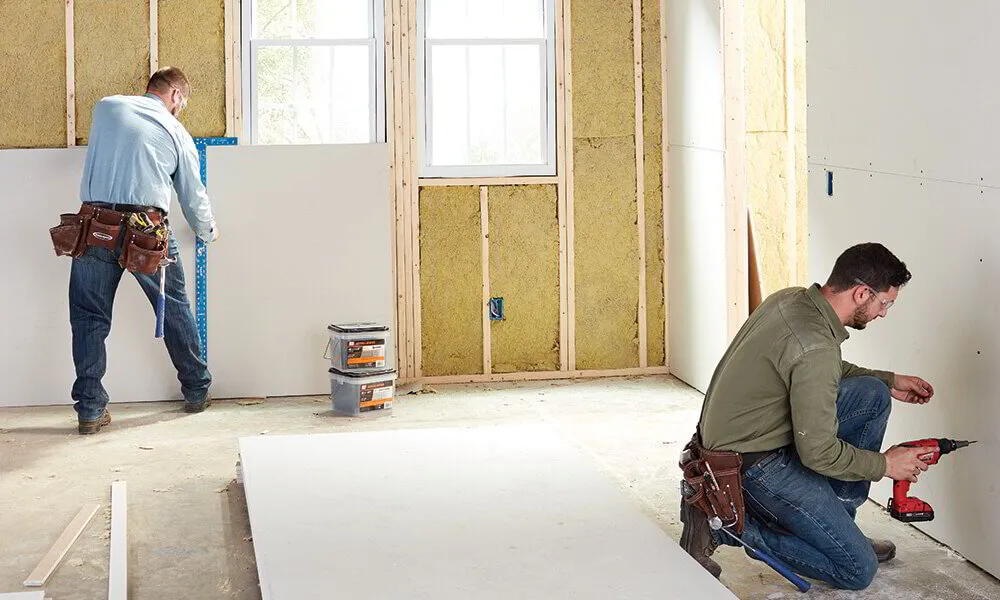
Cost-effective drywall installation is not just a trend; it’s a smart solution for homeowners and businesses looking to enhance their spaces without breaking the bank. Did you know that drywall is one of the most affordable and versatile materials for interior construction? With its ability to quickly transform walls and ceilings, it can rejuvenate any environment, from residential homes to commercial offices. However, managing costs effectively while ensuring quality can be a daunting challenge. In this blog post, we will explore valuable tips, techniques, and resources that can help you achieve a professional-level finish without overspending, making your next drywall project both economical and successful.
Understanding Cost-Effective Drywall Installation
Definition of Cost-Effective Installation
Cost-effective drywall installation refers to a method of installing drywall that minimizes expenses without compromising quality. This includes selecting the right materials, utilizing efficient techniques, and deciding on whether to do it yourself or hire professionals. The goal is to achieve a professional finish while sticking to a budget, making it an ideal choice for homeowners and businesses looking to upgrade their spaces economically.
Importance in Residential and Commercial Spaces
Investing in a cost-effective drywall installation is crucial for various reasons:
- Budget Management: It helps keep renovation costs under control.
- Value Enhancement: Improves overall property value with quality finishes.
- Damage Repair: Addresses issues like water damage or structural age without incurring hefty expenses.
Assessing Your Drywall Needs
Evaluating the Area for Installation
Before diving into a cost-effective drywall installation project, it’s essential to assess the area thoroughly. Consider the following:
- Room Size: Larger rooms may require more materials and labor.
- Condition of Existing Walls: Determine if drywall is needed or if repairs can suffice.
- Purpose of the Space: Different spaces (kitchens, basements) may have specific requirements.
Determining Repair vs. Installation
Identifying whether to repair existing drywall or install new sheets is critical. Repairing is usually cheaper and faster, but consider these factors:
- Severity of Damage: If the damage is extensive, installation might be the better choice.
- Aesthetic Desire: New drywall can provide a fresh, updated look that repairs cannot.
Planning Your Project
Creating a Detailed Budget
A comprehensive budget ensures you don’t overspend. Include costs for materials, labor, and any additional expenses like paint or finishing supplies. Utilize online tools or consult with a professional for accurate estimates.
Timeframes and Scheduling
Setting a timeline is essential for efficient project management. Consider the following:
- Project Scope: Larger projects will require more time.
- Availability of Labor: If hiring professionals, coordinate their schedules with yours.
- Seasonal Considerations: Certain times of the year can impact material availability and cost.
Selecting the Right Materials
Cost-Effective Drywall Options
When opting for a cost-effective drywall installation, various material choices can significantly affect your budget. Look into:
- Standard Drywall: Common and affordable, ideal for most rooms.
- Moisture-Resistant Drywall: Essential for areas with high humidity, like bathrooms, though slightly pricier.
- Soundproof Drywall: A costlier option designed for noise reduction, suitable for apartments or shared spaces.
Comparing Materials: Prices vs. Quality
Always weigh the cost against quality. Cheaper alternatives may save you money upfront but could
lead to higher costs down the line if they require frequent repairs or replacements.
For more on drywall materials and options, check out Home Depot's Drywall Guide.
DIY vs. Professional Installation
Advantages and Disadvantages of DIY
Choosing between a DIY approach or hiring professionals for cost-effective drywall installation can significantly impact your overall budget and project timelines. Here are some factors to
consider:
Advantages of DIY:
- Cost Savings: By doing it yourself, you can avoid labor costs.
- Flexibility: You can work at your own pace and on your schedule.
- Skill Development: It’s an opportunity to learn new skills and take pride in your work.
Disadvantages of DIY:
- Time-Consuming: More intricate installations can take longer than expected.
- Skill Level: Lack of experience may lead to mistakes, resulting in further costs.
- Limited Access to Tools: Professionals usually have access to specialized tools and equipment
that can enhance the project's quality and speed.
When to Hire a Professional
In some scenarios, hiring a professional is the best option for cost-effective drywall installation. Consider these situations:
- Extensive Repairs: If the damage is significant or requires structural work.
- Tight Deadlines: Professionals can typically complete the job faster due to expertise and efficiency.
- Specialized Needs: Projects requiring specific techniques or high-quality finishes may require professional intervention.
Tools and Equipment for Drywall Installation
Essential Tools for Cost-Effective Installation
Having the right tools is crucial for successful drywall installation, whether you choose to DIY or work with a professional. Common tools include:
- Drywall Sheets: The main material required.
- T-Square: To ensure straight cuts.
- Drywall Lifter: Helpful for raising large sheets into place.
- Mud Pan and Trowel: For applying joint compound.
- Sanding Block: To achieve a smooth finish.
Renting vs. Buying Tools
If you opt for DIY, consider whether to rent or purchase tools:
- Renting: Ideal for one-time projects, cost-effective for tools you won’t use again.
- Buying: Worthwhile if you plan on multiple drywall projects or renovations in the future.
Maintaining these tools properly can also save you money in the long run, enhancing
their lifespan and effectiveness.
For a comprehensive range of drywall tools and equipment, visit Lowe's Drywall Tools.
Techniques for Efficient Installation
Best Practices for Drywall Hanging
Achieving a successful cost-effective drywall installation largely depends on the techniques you employ during the hanging process. Here are some best practices to follow:
- Measure Twice, Cut Once: Always measure your spaces accurately to minimize waste and reduce the number of cuts needed.
- Stagger Seams: When installing sheets, offset the seams to enhance strength and reduce the chances of cracks.
- Use Proper Fasteners: Select the right screws or nails for the thickness of the drywall to ensure a firm hold.
- Hang Horizontally: This method helps reduce the number of joints and provides better support.
Tips for Finishing Drywall
Once you’ve hung your drywall, the finishing process is critical for a professional look.
Follow these tips for smooth and effective finishing:
- Apply Joint Compound Liberally: Use enough compound to cover the joints and screws, but avoid excess that may lead to more sanding.
- Layering for Smoothness: Apply multiple thin layers of joint compound rather than one thick layer to prevent cracking during drying.
- Sand Between Coats: Lightly sand each layer after it dries to achieve a smooth finish.
- Use the Right Tools: Invest in quality trowels and sanders for a better finish.
By implementing these techniques, you can ensure a high-quality finish while keeping costs down during your cost-effective drywall installation project.
For more detailed drywall finishing techniques, refer to The Home Depot’s Drywall Finishing Guide.
Maintenance Tips to Extend Lifespan
Regular Inspections
One of the keys to ensuring the longevity of your drywall after a cost-effective drywall installation is conducting regular inspections. By staying vigilant, you can catch problems early before they escalate into costly repairs. Consider the following:
- Check for Cracks: Inspect the seams and corners for any signs of cracking.
- Watch for Water Damage: Look for discoloration or bubbling, which can indicate moisture issues.
- Evaluate Textures and Finishes: Ensure that textured finishes are intact and not peeling.
Addressing Issues Early
When you identify issues during your inspections, prompt action is crucial. Here’s what to do:
- Repair Small Cracks: Use joint compound to fill in small cracks as soon as they appear.
- Repaint Water-Stained Areas: Address stains immediately to prevent mold buildup and further damage.
- Seek Professional Help for Major Issues: If you notice large cracks or extensive water damage, consulting a drywall professional can save you more headaches down the line.
By incorporating these maintenance tips into your home care routine, you will not only enhance the durability of your installation but also preserve the aesthetic appeal of your space.
For additional tips on drywall care and maintenance, explore Sherwin-Williams Painting Maintenance.
Conclusion: Maximizing Value Through Cost-Effective Practices
Recap of Key Points
In this guide, we explored various aspects of cost-effective drywall installation that can help you enhance your space while remaining budget-conscious. Here’s a quick recap of what we covered:
- Understanding Your Drywall Needs: Evaluating whether to repair or replace existing drywall.
- Planning Efficiently: Creating a detailed budget and timeline for your project.
- Choosing the Right Materials: Selecting cost-effective options that don't compromise on quality.
- DIY vs. Professional Choices: Deciding when to take matters into your own hands or hire experts.
- Techniques for Efficient Installation: Implementing best practices for hanging and finishing drywall.
- Maintenance Tips: Conducting regular inspections to extend the lifespan of your drywall.
Encouragement for Homeowners and Businesses
Investing time in planning and employing cost-effective practices in drywall installation can lead to significant savings and improved property value. Whether you’re a homeowner tackling a renovation or a business preparing for a new project, following these tips will guide you toward making informed decisions.
Embrace the opportunity to refresh your spaces while maintaining a budget that works for you. For more information and resources on drywall and home improvement projects, visit Lowe's Home Improvement.
Additional Resources for Cost-Effective Drywall Installation
Online Guides and Tutorials
To further assist you in your cost-effective drywall installation journey, numerous online resources provide detailed guides and step-by-step tutorials. Utilizing these can enhance your knowledge and skills, ensuring a successful project. Here are some valuable resources to consider:
- YouTube: Search for drywall installation tutorials for visual guidance on techniques and practices.
- Home Improvement Blogs: Websites like This Old House offer detailed articles and videos on various home DIY projects, including drywall installation.
- Manufacturer Websites: Many drywall manufacturers provide installation guides and tips that are specific to their products.
Professional Consultation
If you're still uncertain about tackling your drywall installation on your own, consider consulting with professionals. Some benefits of professional advice include:
- Expertise: Professionals can provide insight on materials and techniques suited for your specific needs.
- Cost Estimates: A professional can help you budget more accurately based on your project's scope.
- Quality Assurance: Guidance from experts can lead to a finish that enhances both aesthetics and property value.
Further Reading
For those interested in diving deeper, you can explore specific articles and resources to expand your understanding of drywall practices. Engaging with credible websites not only empowers you but also instills confidence in making informed decisions about your cost-effective drywall installation.
For materials and more in-depth information, visit Gypsum Association, which offers comprehensive resources on drywall standards and practices.
Common Mistakes to Avoid During Cost-Effective Drywall Installation
Lack of Preparation
One of the most significant mistakes people make during a cost-effective drywall installation is inadequate preparation. Proper planning is essential to ensure a smooth process. Consider these points:
- Not Measuring Properly: Double-check measurements to avoid unnecessary waste.
- Ignoring Environmental Factors: Consider humidity and temperature, as they can affect material performance.
- Neglecting Existing Conditions: Assess the current state of the walls thoroughly before beginning work.
Skimping on Materials
While saving money is the goal of a cost-effective drywall installation, choosing the cheapest materials can lead to problems down the line. Be mindful of:
- Quality of Drywall: Opt for reputable brands that offer reliable products, even if they are slightly more expensive.
- Fasteners and Tape: Invest in good quality screws and joint tape to ensure durability and minimize future repairs.
- Joint Compound: Use high-quality joint compound for smoother finishes that require less sanding.
Cutting Corners on Tools
Using the right tools can significantly affect the outcome of your drywall project. Common mistakes include:
- Improvising with Inadequate Tools: Make sure to use proper drywall tools like a drywall saw, T-square, and lift.
- Forgetting Safety Gear: Always wear protective gear such as masks, goggles, and knee pads while working.
By avoiding these pitfalls and making informed decisions, you ensure that your cost-effective drywall installation not only fits your budget but also meets quality standards that last for years.
For more tips on choosing materials and tools, visit Home Depot’s Drywall Installation Guide.
Future Trends in Cost-Effective Drywall Installation
Sustainable Materials
As environmental awareness grows, the trend towards using sustainable materials in cost-effective drywall installation is on the rise. Here’s what to consider:
- Recycled Drywall: Look for options made from recycled gypsum; these not only reduce waste but also often come at a lower price.
- Low-VOC Products: Selecting low-volatile organic compounds (VOCs) minimizes harmful emissions, making for a healthier indoor environment.
- Sustainable Manufacturing: Support brands that prioritize eco-friendly manufacturing processes.
Advanced Installation Techniques
Emerging installation methods are making cost-effective drywall installation faster and more efficient:
- Modular Drywall Solutions: Pre-fabricated drywall panels can reduce installation time and waste.
- Automated Tools: New tools, like drywall tapering machines, speed up the finishing process and ensure uniform application.
- Innovative Fasteners: Advanced fastening systems that reduce labor time while maintaining structural integrity are becoming more popular.
The Role of Technology
Technology is playing an increasing role in modern drywall installations, enhancing efficiency and precision. Consider these advancements:
- Project Management Software: Tools that help plan, schedule, and track your drywall project can minimize wasted time and resources.
- Virtual Design Tools: Software that allows homeowners to visualize drywall layouts digitally can streamline decision-making.
- Online Resources and Communities: Platforms that provide tutorials, advice, and community support for DIY projects help streamline the learning process.
Staying informed about these trends will not only enhance your knowledge but also enable you to make the best choices for your cost-effective drywall installation project.
For further insights into sustainable building materials, visit Green Building Supply.
Helpful Tools and Apps for Cost-Effective Drywall Installation
Digital Estimation Tools
Utilizing digital tools can streamline the planning phase of your cost-effective drywall installation. Consider these options:
- Online Calculators: Websites like Home Depot's Estimator provide quick calculations for materials based on your room dimensions.
- Mobile Apps: Apps that allow you to input room dimensions and generate estimates for materials and costs can save time and reduce errors.
Project Management Apps
Keeping track of your drywall installation project can be made easier with the right management tools. Recommended apps include:
- Trello: This application allows you to create boards for planning tasks, setting deadlines, and tracking progress during your installation.
- Asana: A user-friendly task management tool that helps keep your project organized through lists and calendars.
Visualization Software
Before starting your drywall installation, having a clear vision can help avoid costly mistakes. These tools can assist:
- SketchUp: A 3D modeling software that allows you to visualize your space, helping you plan your drywall layout more effectively.
- RoomSketcher: This tool offers an easy way to create floor plans and 3D images of your intended layout, guiding your decisions on drywall installation.
Integrating these helpful tools and apps can empower you to make informed and efficient choices throughout your cost-effective drywall installation process, enhancing both organization and accuracy.
For more information on home improvement applications, check out Lowe's Mobile Apps.
What is cost-effective drywall installation?
Cost-effective drywall installation refers to methods and practices that minimize expenses while ensuring quality results in drywall projects. This involves careful planning, selecting the right materials, utilizing efficient techniques, and deciding whether to DIY or hire professionals.
How can I save money on drywall installation?
To save money on drywall installation, you can evaluate whether certain areas require repair or full replacement, choose cost-effective materials, and consider doing some of the work yourself. Additionally, scheduling the project during off-peak seasons can also lead to better pricing from contractors.
Is it better to hire a professional or do it myself?
The decision to hire a professional or undertake a DIY project depends on your skill level, the complexity of the installation, and your time availability. While DIY can save money, complex projects may require professional expertise to ensure quality and safety.
What tools do I need for drywall installation?
Essential tools for drywall installation include drywall sheets, a T-square, a drywall lifter, screws or nails, a mud pan, a trowel, and a sanding block. Investing in good-quality tools will ensure a smoother and more efficient installation process.
How can I maintain my drywall after installation?
To maintain your drywall, conduct regular inspections to check for cracks or water damage. Promptly address any issues, keep the drywall clean, and repaint or touch up areas as needed to prolong its lifespan and maintain aesthetics.
Cost-Effective Drywall Installation Tips: Your Guide to Affordable Repairs
The Patch Guyz Michigan is your trusted partner for cost-effective drywall installation and repair services. Serving St. Clair County, Monroe, Eaton, Genesee, Ingham, Wayne, Washtenaw, Oakland, Macomb, and Livingston, we specialize in comprehensive solutions including Repair Services for Your Walls & Ceilings, Wall & Ceiling Repairs, Drywall Replacement, Seams & Cracks Repair, and Textured Wall & Ceiling Restoration. Our team ensures affordable and efficient repairs, maintaining the quality and appearance of your space. Choose The Patch Guyz Michigan for reliable drywall solutions.
Related Articles
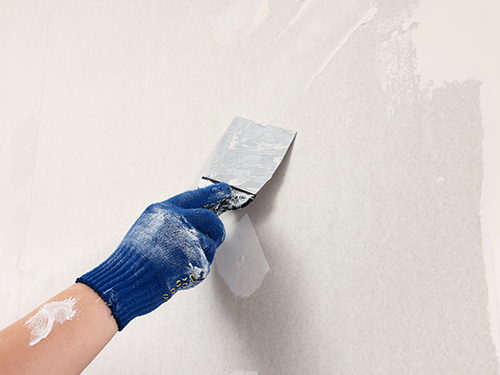
Ultimate Guide: How To Repair Textured Walls Like A Pro
Ultimate Guide: How to Repair Textured Walls Like a Pro Textured walls have become a defining feature in countless homes across Southeastern Michigan,…
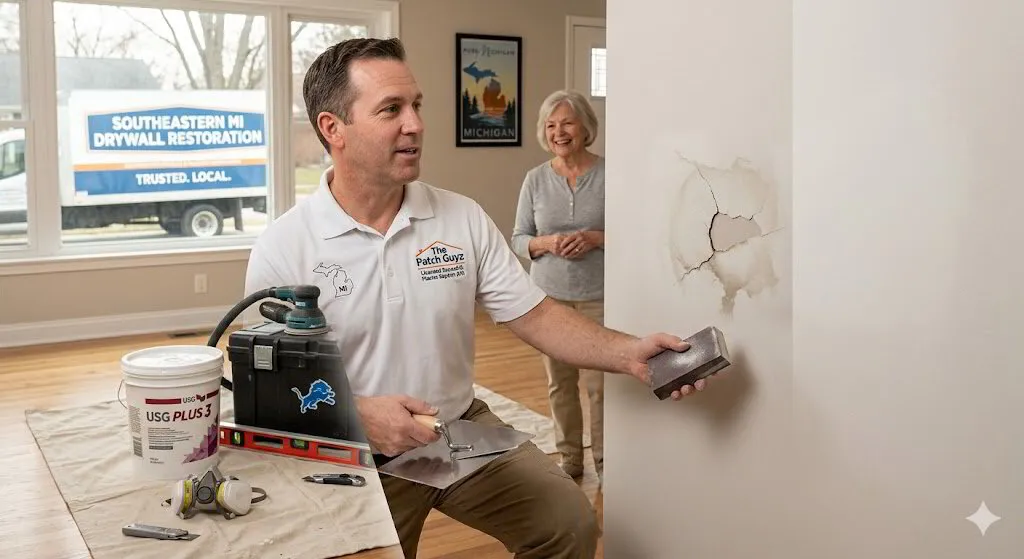
The Ultimate Guide to Finding the Best Drywall Repair Services Near You
Finding the Best Drywall Repair Services Near You: A Comprehensive Guide When damage strikes your walls or ceilings, finding reliable repair services …
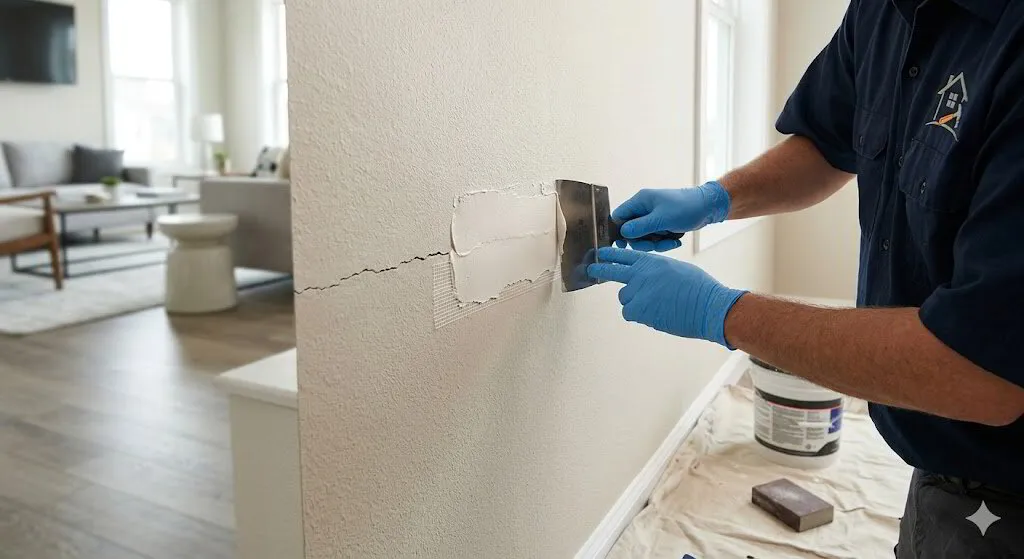
Flawless Walls: The Complete Guide to Professional Drywall Crack Repair
Expert Guide to Professional Drywall Crack Repair Services Discovering cracks in your drywall can be frustrating, whether you're a homeowner dealing w…