Common Drywall Issues and Solutions Explained
Did you know that drywall is one of the most prevalent materials used in modern construction,
making it both a common feature and a common source of frustration for homeowners? Despite
its popularity, many people are unaware of the typical problems that can arise with drywall and
the practical solutions available to address them. From unsightly cracks and water damage to issues
like mold and peeling paint, understanding these common drywall issues and solutions is essential
for maintaining the beauty and integrity of your home. Whether you're a seasoned DIY enthusiast
or a first-time homeowner, this guide will equip you with the knowledge you need to identify,
address, and prevent drywall problems effectively.
Overview of Common Drywall Issues
Understanding the most common drywall issues is crucial for maintaining the integrity of your
home. These problems not only distract from the aesthetic appeal but can also signal deeper
issues that require immediate attention. Recognizing these issues early allows you to implement
effective common drywall issues and solutions, ensuring that your walls remain in pristine
condition.
Importance of Addressing Drywall Problems
Drywall, though it may seem sturdy, is susceptible to a variety of problems. Addressing these
issues not only enhances the look of your space but also prevents potential structural damage or
escalating repair costs. Ignoring common drywall problems could lead to:
- Water infiltration and mold growth
- Increased energy bills due to poor insulation
- Compromised home safety
Common Causes of Drywall Damage
Several factors contribute to drywall damage, including:
- Water leaks from plumbing issues or roof problems
- Temperature fluctuations causing expansion and contraction
- Poor installation leading to cracks and seams
- Accidental impacts from furniture or heavy objects
Identifying the root cause of drywall issues is key to implementing the correct solutions.
Identifying Common Drywall Issues
Recognizing these common drywall issues early can save you time, money, and stress.
Cracks and Fissures
Cracks often form due to shifts in the foundation or thermal expansion. Regular inspections can
help spot these early.
Water Damage
Water stains or peeling paint may indicate leaks, which need to be addressed immediately to
prevent mold.
Holes and Dents
Accidental damage from nails, screws, or furniture impacts often leaves unsightly holes.
Fortunately, these are among the easier issues to repair.
Mold and Mildew Growth
Damp environments can lead to mold and mildew on drywall, necessitating prompt remediation
to protect health.
Peeling or Bubbling Paint
Paint that bubbles or peels often indicates water issues beneath the surface. Addressing the
source of moisture is essential before repainting.
Solutions for Common Drywall Issues
Once common drywall issues have been identified, applying appropriate solutions is essential for
effective repair and prevention.
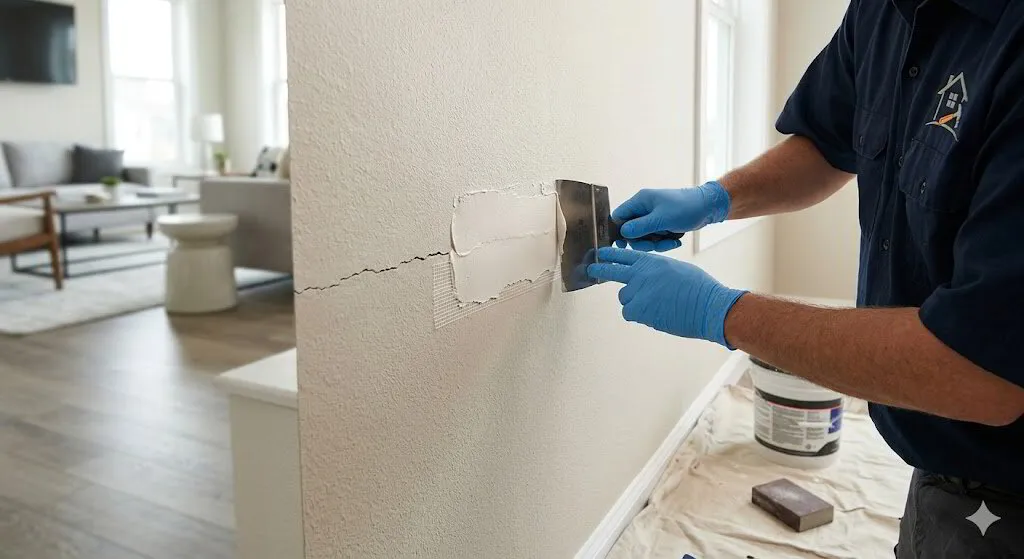
Repairing Cracks and Fissures
1. Tools Needed:
○ Joint compound
○ Putty knife
○ Sandpaper
2. Step-by-Step Process:
○ Clean the crack to remove debris.
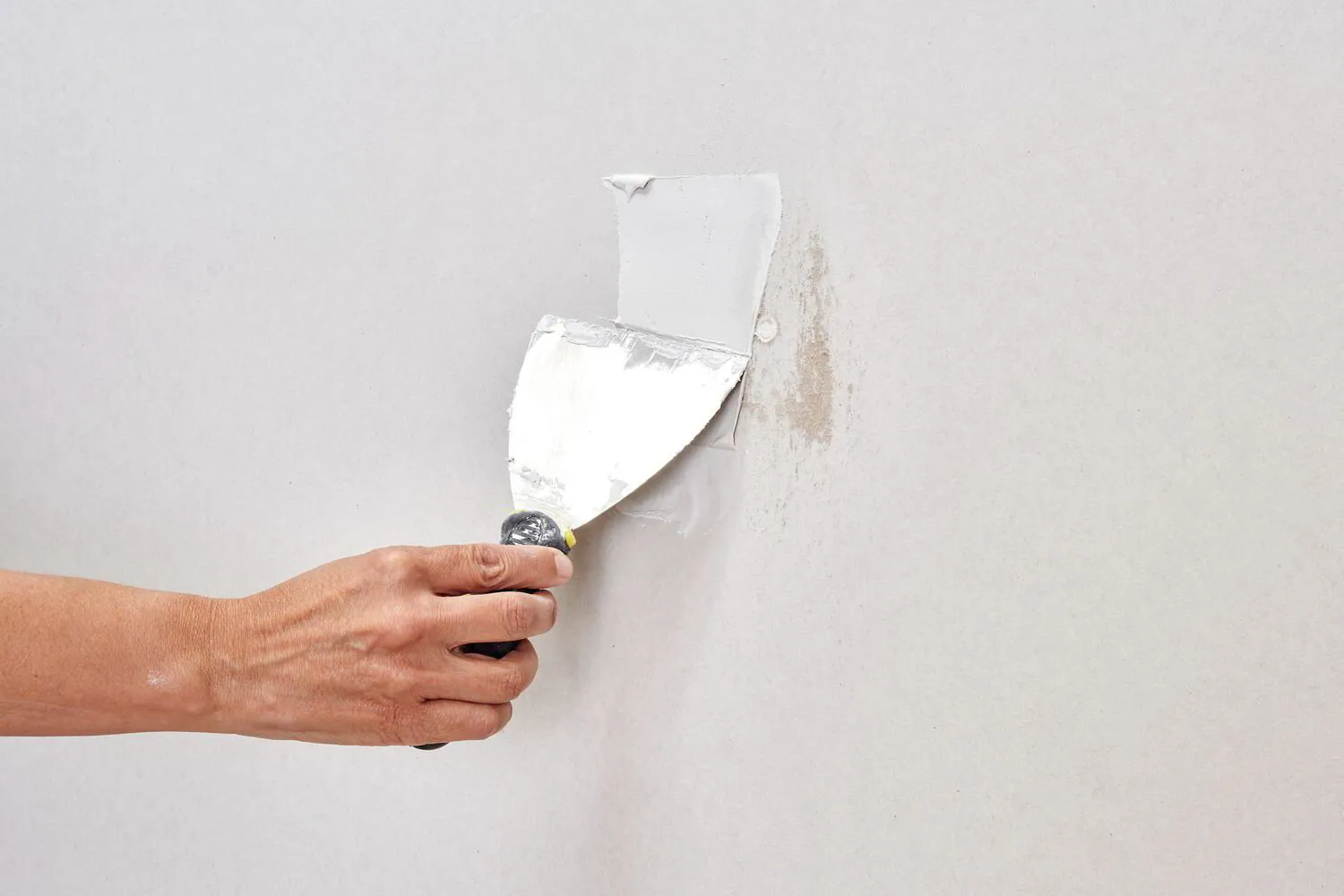
○ Fill the crack with joint compound using a putty knife.
○ Allow it to dry, then sand for a smooth finish.
○ Prime and paint the repaired area.
Fixing Water Damage
- Assess the Damage: Determine if the drywall can be saved or if a replacement is necessary.
- Replacement vs. Repair:
○ Small areas might just need patching.
○ Larger sections may require full panel replacement.
Handling Holes and Dents
- Types of Patch Kits: Choose between self-adhesive patches or traditional drywall repair kits
based on the hole size.
- Installation Instructions:
○ Clean the area around the hole.
○ Apply the patch, then follow up with joint compound for a seamless finish.
Addressing Mold and Mildew
- Prevention Tips:
○ Keep humidity levels low.
○ Ensure proper ventilation in rooms susceptible to moisture.
- Cleaning Solutions: Use vinegar or specialized mold removers to clean affected areas
effectively.
Restoring Peeling or Bubbling Paint
- Techniques for Repair: Scrape away loose paint, treat the underlying water issue, and then
repaint the area for a fresh look.
- Best Practices for Repainting: Use high-quality paint and allow adequate drying time to
prevent future issues.
For more in-depth information on home maintenance, visit Home Depot's DIY Project Guides.
They offer a wealth of resources to help you tackle your drywall repairs effectively.
Preventative Measures to Avoid Common Drywall
Issues
Regular maintenance can significantly reduce the likelihood of common drywall issues. By
implementing preventative measures, you can keep your walls looking fresh and intact for
years to come.
Preventative Measures to Avoid Common Drywall Issues
Taking proactive steps can significantly lessen the likelihood of encountering common drywall
issues. By implementing the following preventative measures, homeowners can protect their
drywall and maintain the overall appearance and integrity of their homes.
Regular Inspections
Conducting routine checks for any signs of damage can help in early detection and repair.
Look for:
- Cracks in the walls and ceilings
- Discoloration indicating possible water damage
- Signs of mold growth, especially in damp areas
By catching issues early, you can apply the appropriate common drywall issues and solutions
before they escalate.
Proper Humidity Control
Maintaining optimal indoor humidity levels (between 30% and 50%) can significantly reduce the
risk of drywall damage. High humidity can lead to mold growth and water damage, so consider
these steps:
- Use dehumidifiers in moist areas, such as basements and bathrooms
- Ensure proper ventilation during activities that increase moisture, like cooking or
showering
- Install exhaust fans to help regulate humidity levels
Adequate Insulation
Proper insulation is essential for maintaining temperature control in your home. Insulation helps
prevent the expansion and contraction of drywall caused by temperature fluctuations, which can
lead to cracks. Here’s how to enhance your insulation:
- Assess areas with high energy bills, which may indicate insulation issues
- Add insulation to attics, walls, and crawl spaces where necessary
- Seal gaps and cracks around windows and doors to prevent drafts
By addressing insulation needs, you can support the integrity of your drywall and minimize
common issues.
When to Call a Professional
While many common drywall issues can be managed with DIY solutions, certain situations
warrant professional assistance. Consider contacting a drywall expert if:
- You identify extensive water damage requiring replacement of panels
- Mold growth is widespread and poses health risks
- Structural concerns may be affecting your drywall
For more guidance on home maintenance and repairs, visit Lowes Home Improvement. They
provide valuable resources and expert advice to help homeowners tackle a variety of challenges,
including drywall work.
When to Call a Professional
While many homeowners take pride in tackling DIY projects, some common drywall issues
require the expertise of a professional. Identifying when to call for help can save you time,
money, and prevent further damage.
Signs You Need Expert Help
If you notice any of the following signs, it may be time to reach out to a drywall specialist:
- Extensive Water Damage: If you observe large water stains or sagging drywall, these
issues might indicate severe moisture intrusion that needs immediate attention.
- Widespread Mold Growth: Finding mold beyond a small, manageable area is a serious
health concern. Professional remediation is often necessary to ensure safe removal
and treatment.
- Cracks or Bulges Indicating Structural Issues: Large or diagonal cracks, especially those
that extend beyond a small area, can signal structural problems that demand expert
evaluation.
- Deteriorating Drywall Seams: If the seams of your drywall are starting to split or peel,
it may require professional assessment to prevent further deterioration.
Benefits of Hiring a Drywall Specialist
Engaging a professional can offer several advantages, including:
- Expertise in Diagnosis: A qualified contractor can accurately diagnose underlying issues
that might not be immediately apparent to homeowners.
- Quality Repair Work: Professionals have the tools and skills to deliver high-quality repairs,
ensuring that the finished product meets industry standards.
- Time Savings: Performing extensive repairs can be time-consuming; hiring a pro allows
you to focus on other priorities while the work is done efficiently.
- Peace of Mind: Knowing that an experienced specialist is handling your repairs can
alleviate stress and provide confidence in the durability of the solutions applied.
If you're unsure whether to tackle a repair on your own, consider consulting reputable resources.
For further guidance on home repairs, check out HomeAdvisor. They offer a variety of resources
and tools to connect homeowners with qualified professionals in their area.
Conclusion
Understanding common drywall issues and solutions can empower homeowners to take
proactive steps in maintaining their living spaces. By being able to identify and address these
problems early, you can not only enhance the aesthetic appeal of your home but also prevent
larger, more costly repairs down the line.
Recap of Common Drywall Issues and Solutions
Here’s a brief overview of the key points discussed:
- Cracks and Fissures: Often due to thermal expansion or foundation settling, these can
be easily repaired with joint compound.
- Water Damage: Stains or mold can result from leaks; timely repair is essential to
prevent more significant issues.
- Holes and Dents: Accidental impacts can be fixed with various patching kits available at
home improvement stores.
- Mold and Mildew: These issues require immediate attention due to health risks, and
prevention through humidity control is crucial.
- Peeling Paint: Often indicates moisture problems; addressing the root cause before
repainting is vital.
Encouragement to Take Action Before Problems Worsen
By taking preventative measures and addressing common issues as soon as they arise,
homeowners can ensure their drywall remains in good condition. Don't wait until problems
escalate; being proactive is the key to long-term home maintenance success. If you ever feel
overwhelmed or unsure, don’t hesitate to call in the professionals.
For more information and expert advice on home improvements, visit Angie's List. They provide
a wealth of resources to help you manage home maintenance effectively and connect with
service providers who can assist with your drywall needs.
Additional Resources for Homeowners
To effectively manage common drywall issues and solutions, utilizing available resources can
provide valuable insights and assistance. The following options can help homeowners enhance
their knowledge and skills in drywall repair and maintenance.
Online Tutorials and Guides
There are numerous online platforms offering detailed tutorials on drywall repair. These can
range from written guides to comprehensive video demonstrations. Look for:
- YouTube: Many skilled contractors and DIY enthusiasts share their expertise through
video tutorials, providing step-by-step instructions on various drywall issues.
- Home Improvement Blogs: Websites dedicated to home maintenance often produce
informative content about drywall, including common problems and fixes.
Professional Organizations
Connecting with reputable professional organizations can also yield helpful information:
- National Gypsum Company: Their website offers resources related to gypsum products
and best installation practices, along with repair solutions.
- Drywall Finishers and Plasterers International Union: This organization provides insights
into industry standards and training for drywall professionals.
Home Improvement Retailers
Local home improvement stores can be a great resource for both materials and advice. Staff
members often have extensive knowledge and can guide you on products to use for specific
drywall issues. Consider visiting:
- The Home Depot: They provide workshops and online resources to help homeowners
successfully complete DIY projects.
- Lowe's: Offers a variety of tools and materials, as well as guides on finding the right
solutions for drywall repairs.
As you navigate through the challenges of maintaining your home, remember that a wealth of
information and support is available. Leveraging these resources can empower you to tackle
common drywall issues effectively and confidently.
Final Thoughts on Common Drywall Issues and Solutions
In summary, being informed about common drywall issues and solutions is essential for every
homeowner. By recognizing potential problems early and understanding how to address them,
you can maintain the integrity and appearance of your home’s interiors.
Key Takeaways
- Awareness: Regularly inspect your walls and ceilings for cracks, water damage, and mold.
Early detection is critical in mitigating further issues.
- DIY vs. Professional Help: While many common drywall repairs can be tackled by
homeowners, knowing when to call for professional assistance is vital to ensure
long-lasting results.
- Preventative Measures: Implementing proper humidity control and maintaining good
insulation can significantly reduce the risk of drywall damage.
Resources for Further Learning
To deepen your knowledge and skills in handling drywall repairs, consider checking out the
following comprehensive resource:
- This Old House: Offers tips and tutorials on various home improvement topics,
including details on repairing drywall effectively. Their insights can be invaluable as you
navigate common drywall issues and solutions.
For anyone keen to take charge of their home repairs, access to quality resources and a clear
understanding of potential problems are key. By staying informed, you can enhance the safety,
value, and comfort of your living space.
What are the most common drywall issues homeowners face?
The most common drywall issues include cracks and fissures, water damage, holes and dents,
mold growth, and peeling or bubbling paint. Each of these problems can arise from various
factors such as temperature fluctuations, moisture, or poor installation, making it essential to
identify and address them promptly.
How can I repair small holes in drywall?
To repair small holes in drywall, you can use a spackling paste or joint compound. First, clean the
area around the hole and apply the compound with a putty knife. Once it dries, sand it down for
a smooth finish and then paint over the area to match the surrounding wall.
What should I do if I find mold on my drywall?
If you discover mold on your drywall, it's crucial to act quickly. First, address the source of
moisture that is causing the mold growth. Then, clean the affected area with a mixture of water
and vinegar or a specialized mold remover. In cases of extensive mold, it may be necessary to
replace the affected drywall entirely.
How can I prevent water damage to my drywall?
To prevent water damage to your drywall, ensure that your home has proper insulation and
effective drainage systems in place. Regularly check for leaks in plumbing and roofs and
maintain humidity levels within a safe range using dehumidifiers or ventilation systems,
especially in high-moisture areas like bathrooms and basements.
When should I consider hiring a professional for drywall repairs?
You should consider hiring a professional for drywall repairs if you encounter significant water
damage, widespread mold issues, or if the damage reveals potential structural problems. An
expert can ensure that repairs are carried out safely and effectively, providing durable solutions
that you may not be able to achieve on your own.
Related Articles
Ultimate Guide: How To Repair Textured Walls Like A Pro
Ultimate Guide: How to Repair Textured Walls Like a Pro Textured walls have become a defining feature in countless homes across Southeastern Michigan,…
The Ultimate Guide to Finding the Best Drywall Repair Services Near You
Finding the Best Drywall Repair Services Near You: A Comprehensive Guide When damage strikes your walls or ceilings, finding reliable repair services …
Flawless Walls: The Complete Guide to Professional Drywall Crack Repair
Expert Guide to Professional Drywall Crack Repair Services Discovering cracks in your drywall can be frustrating, whether you're a homeowner dealing w…