Common Drywall Issues and Solutions You Need
Common drywall issues and solutions are essential knowledge for every homeowner looking
to maintain a safe and aesthetically pleasing living space. Did you know that nearly 80% of
homes experience some form of drywall damage over time? From unsightly cracks and holes to
serious problems like water damage and mold growth, these issues can compromise both the
appearance and structural integrity of your home. Understanding the root causes and effective
solutions for these common problems is key to preserving your walls and ensuring a healthy
environment. In this guide, we will explore the most frequent drywall dilemmas and provide
practical solutions to tackle them, empowering you to keep your home in top shape.
Overview of Common Drywall Issues
Drywall is an essential component of most homes, but it can fall victim to numerous problems
over time. Addressing these issues promptly can help maintain the aesthetic appeal and
structural integrity of your walls. Understanding the common drywall issues and solutions
empowers homeowners to take effective action when troubles arise.
Types of Common Drywall Issues
Water Damage
Water damage is one of the most prevalent issues that can affect drywall. Recognizing the signs
early can prevent extensive repairs.
- Signs of Water Damage
○ Discoloration or yellowing of the wall surface
○ Bubbling or peeling paint
○ Soft or mushy drywall
- Causes of Water Damage
○ Leaky roofs or plumbing
○ High humidity levels
○ Flooding or unexpected water influx
Cracks and Holes
Cracks and holes can appear for various reasons, from natural settling to impacts.
- Types of Cracks
○ Hairline Cracks: Minor issues often caused by settling
○ Large Cracks: Indicate more severe structural problems
- Common Causes of Holes
○ Accidental impacts (furniture, doors)
○ Fastener pull-through from heavy items
Sagging Drywall
Sagging occurs when the drywall begins to droop, creating an unsightly appearance and
potential structural risks.
- Identifying Sagging Issues
○ Visible dips in the wall
○ Gaps between the drywall and the ceiling or floor
- Factors Contributing to Sagging
○ Poor installation
○ Excessive weight or pressure
Mold and Mildew
Moisture-laden environments can lead to mold and mildew growth on drywall, which poses
health risks.
- Health Risks Associated with Mold
○ Allergic reactions
○ Respiratory issues
- How to Identify Mold Growth
○ Musty odors
○ Visible mold patches or dark spots
Solutions for Common Drywall Issues
Repairing Water Damage
When tackling water damage, prompt action is necessary to limit further issues.
- Steps for Assessing and Repairing Affected Areas:
1. Identify the source of the water and fix it.
2. Remove any damaged drywall sections.
3. Allow the area to dry completely before replacement.
4. Patch and finish as needed.
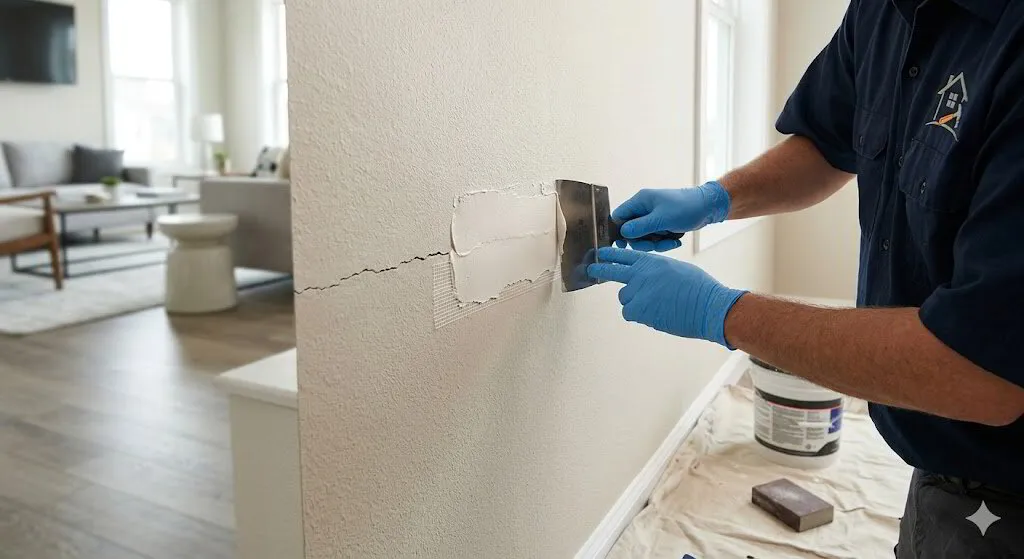
Fixing Cracks and Holes
Repairing cracks and holes can often be accomplished using DIY methods.
- Tools Needed for Repairs:
○ Utility knife
○ Joint compound
○ Sandpaper
○ Putty knife
- Step-by-Step Methods for Patching:
1. Clean the damaged area.
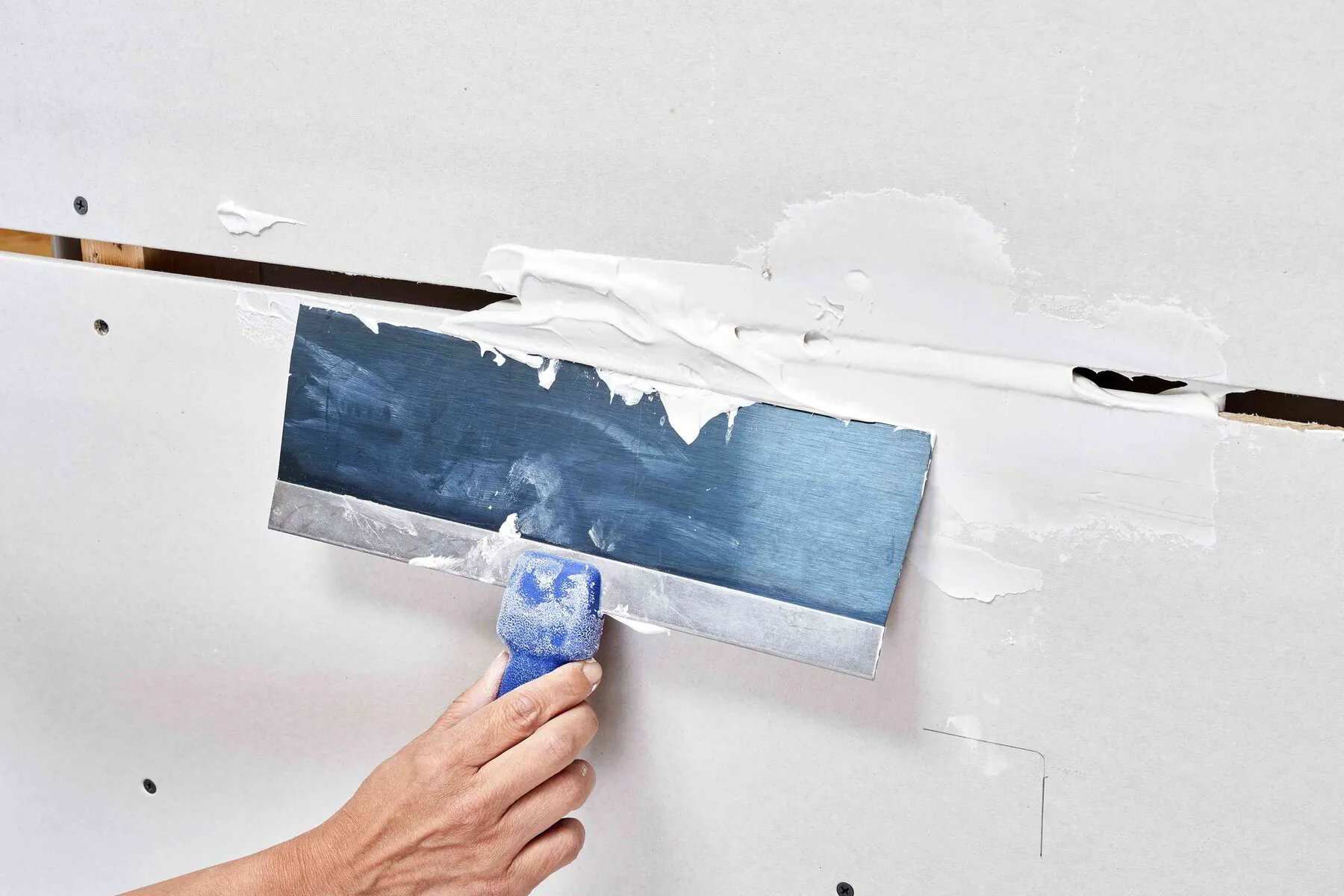
2. Apply joint compound using the putty knife.
3. Smooth and feather the edges.
4. Allow it to dry and sand for a finished look.
Addressing Sagging Drywall
The best solution for sagging drywall may involve reinforcement or replacement.
- How to Reinforce Sagging Areas:
○ Install additional support studs or brackets.
○ Ensure proper fastening throughout the wall.
- When to Consider Replacement:
○ If sagging is severe and affecting wall stability.
Treating Mold and Mildew
Tackling mold is critical for health and safety.
- Effective Cleaning Solutions:
○ Use a mixture of water and mild detergent.
○ For serious infestations, consider professional remediation.
- Preventive Measures to Avoid Recurrence:
○ Control humidity levels around the home.
○ Ensure proper ventilation in moisture-prone areas.
For more in-depth information on drywall issues and solutions, consider resources from The
Preventing Common Drywall Issues
Preventing drywall issues is always more cost-effective than repairing them. By taking proactive
measures, homeowners can protect their walls and maintain the integrity of their homes. Here
are some essential tips to keep in mind:
Regular Maintenance Tips
Performing regular checks and maintenance can significantly reduce the likelihood of
experiencing common drywall issues.
- Inspect for Water Leaks:
Regularly review areas around plumbing fixtures and roofs for signs of leaks.
- Check Humidity Levels:
Use a hygrometer to monitor indoor humidity and keep it between 30-50%.
- Seal Cracks and Gaps:
Apply caulk or sealant in areas where drywall meets windows, doors, and other
structural elements.
Importance of Controlling Humidity Levels
High humidity can lead directly to moisture problems in drywall. Implementing effective
humidity control is vital.
- Use Dehumidifiers:
Especially in basements and bathrooms, dehumidifiers can help maintain optimum
humidity levels.
- Ventilate Properly:
Ensure that areas prone to moisture, like kitchens and bathrooms, are well-ventilated
with exhaust fans.
How to Ensure Proper Installation
The quality of drywall installation can help prevent many common issues.
- Hire Professional Installers:
Professional installation minimizes the chance of future problems, especially in
high-moisture areas.
- Follow Manufacturer Guidelines:
Always adhere to the specifications provided by drywall manufacturers regarding
support and installation techniques.
By following these preventive measures, homeowners can effectively mitigate many of the
common drywall issues and solutions, ensuring their walls remain in good condition for years
to come. For additional resources on home maintenance, check out Lowe's.
When to Call a Professional
While many common drywall issues can be tackled with DIY methods, some situations may require the expertise of a professional. Knowing when to call in the experts can save you time, effort, and money in the long run.
Instances Where DIY May Not Suffice
It's crucial to recognize scenarios where professional help is not just beneficial, but necessary.
- Extensive Water Damage:
○ If the water damage is significant and has affected multiple areas, professional
assessment and repair might be required.
- Structural Issues:
○ Large cracks or sagging drywall could indicate deeper structural problems that a
trained professional should evaluate.
- Mold Infestation:
○ If mold is pervasive and poses health risks, remediation professionals have the
expertise and equipment to handle the situation safely.
Benefits of Professional Drywall Repair Services
Hiring professionals brings a wealth of advantages that can simplify the repair process.
- Expertise and Experience:
○ Professionals understand the intricacies of drywall repair and know the best
practices to ensure a lasting solution.
- Quality Tools and Materials:
○ They have access to high-quality tools and materials that might not be available to
the average homeowner.
- Time Efficiency:
○ Professionals can often complete repairs more quickly, minimizing disruptions to
your home.
For homeowners in the Detroit area experiencing common drywall issues, seeking professional
assistance can make all the difference. Companies like HomeAdvisor can connect you with
experienced contractors who specialize in drywall services.
Conclusion
Understanding common drywall issues and solutions is essential for homeowners looking to
maintain the integrity and appearance of their living spaces. By being proactive and aware of
the potential problems, you can take actionable steps to prevent minor issues from escalating
into more significant repairs.
Recap of Common Issues and Their Solutions
Throughout this blog post, we have discussed various common drywall issues that many
homeowners face, including:
- Water Damage: Regular inspections and immediate repairs are crucial to prevent
extensive damage.
- Cracks and Holes: Simple patching techniques can restore the surface effectively.
- Sagging Drywall: Reinforcement and proper hanging techniques can help address this
issue.
- Mold and Mildew: Monitoring humidity and using appropriate cleaning methods can
mitigate health risks.
Encouragement to Take Proactive Steps for Drywall Care
Regular maintenance and preventative measures are paramount in preserving your drywall.
Whether it's checking for moisture, sealing gaps, or seeking professional help when needed,
staying vigilant can save time, money, and stress.
By applying the insights shared in this post, you can not only manage common drywall issues
but also enhance the overall health of your home environment. For further guidance and
resources on home improvement, visit The Home Depot for a variety of products and helpful
tips.
Additional Resources for Homeowners
To effectively tackle common drywall issues and solutions, it's valuable to access additional
resources and tools. The right information can empower homeowners to make informed
decisions about repairs and maintenance.
Online Tutorials and Guides
Many websites offer comprehensive guides and video tutorials that can aid in understanding
drywall repairs.
- YouTube Channels:
○ Look for channels that specialize in home repair and DIY projects for visual
instructions.
- DIY Blogs:
○ Explore blogs dedicated to home improvement for step-by-step guides on various
drywall issues.
Home Improvement Stores
Local home improvement stores often provide resources and products tailored for drywall
repair.
- Workshops and Classes:
○ Many retailers like Lowe's offer workshops that teach essential skills for home repairs,
including drywall installation and patching.
- Knowledgeable Staff:
○ Store employees can recommend tools and materials specific to your drywall needs.
Professional Services
Sometimes the best solution is to consult a professional.
- Finding Qualified Contractors:
○ Utilize platforms like Angie's List to locate reputable contractors who specialize in
drywall repair.
- Seek References and Reviews:
○ Look for customer reviews and ratings to ensure you hire a qualified professional for
your drywall issues.
By exploring these resources, homeowners can feel more empowered to address common
drywall issues and implement effective solutions. With the right knowledge and tools,
maintaining your drywall becomes much more manageable.
FAQs About Common Drywall Issues and Solutions
Homeowners often have questions about drywall problems and how to resolve them
effectively. Here are some frequently asked questions that can provide further clarity on
common drywall issues and solutions.
What are the most typical signs of drywall damage?
Common signs include:
- Visible Cracks: Both hairline and larger cracks indicating possible structural issues.
- Bubbling Paint: Peeling or flaking paint is often a sign of moisture problems.
- Dents and Holes: Damage from impacts or wear and tear over time.
How can I prevent water damage to my drywall?
To prevent water damage, consider the following:
- Regular Inspections: Check for leaks in plumbing fixtures and roofs.
- Ventilation: Use exhaust fans in high-moisture areas such as kitchens and bathrooms
to reduce humidity.
- Sealant Usage: Apply weather stripping and sealants around windows and doors.
Is it safe to repair drywall myself?
Many drywall repairs can be safely done by homeowners with basic DIY skills, such as:
- Patching small holes and cracks: Using joint compound and a putty knife can manage
minor damage.
- Applying fresh paint: After repairs, painting can restore the wall’s appearance.
However, for larger issues like significant water damage or mold, it’s wise to consult a
professional.
When should I consider hiring a professional?
Consider hiring a professional in these cases:
- Extensive damage: If there’s major water damage or structural concerns, professional
assessment is recommended.
- Mold presence: For serious mold infestations, trained specialists can handle the
cleanup safely.
- Time constraints: If you're short on time or not confident in DIY skills, seeking help can
save you both effort and potential mishaps.
For more detailed information and tips on home improvement, check out Home Depot's guide
on drywall repair.
What causes drywall to crack?
Drywall cracks can be caused by a variety of factors, including natural settling of the house,
temperature fluctuations, and moisture changes. In older homes, the foundation's movement
over time can create stress in the drywall, leading to visible cracks. Additionally, rapid changes
in temperature and humidity can cause the materials to expand and contract, resulting in
fractures.
How can I repair small holes in drywall?
Repairing small holes in drywall is relatively straightforward. You can use a patching compound
or spackle to fill the hole. Start by cleaning the area around the hole, applying the compound,
and smoothing it with a putty knife. Once it’s dry, sand it down lightly and repaint the area to
match the surrounding wall for a seamless finish.
Is it necessary to repaint after drywall repairs?
In most cases, it is necessary to repaint after drywall repairs, especially if you used joint
compound or spackle to fill holes and cracks. Painting not only conceals any repair marks but
also helps to restore the wall’s uniform color and texture. Be sure to choose a paint that matches
the existing wall finish for the best results.
How can I prevent water damage in my drywall?
To prevent water damage in your drywall, ensure that your plumbing is well-maintained and
check for leaks regularly. Installing proper ventilation in areas such as kitchens and bathrooms
can help reduce humidity levels that contribute to moisture buildup. Additionally, consider
using moisture-resistant drywall in high-risk areas for enhanced protection.
When should I seek professional help for drywall issues?
You should seek professional help for drywall issues when the damage is extensive or beyond
your comfort level to repair. If you notice significant water damage, mold growth, or structural
concerns, it’s best to consult a trained contractor. Professionals can provide a thorough
assessment and implement effective solutions to ensure the safety and integrity of your home.
Related Articles
Ultimate Guide: How To Repair Textured Walls Like A Pro
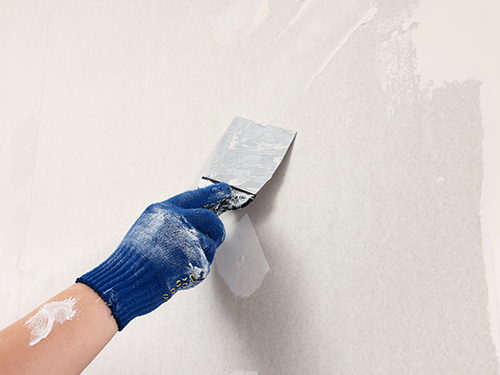
Ultimate Guide: How to Repair Textured Walls Like a Pro Textured walls have become a defining feature in countless homes across Southeastern Michigan,…
The Ultimate Guide to Finding the Best Drywall Repair Services Near You
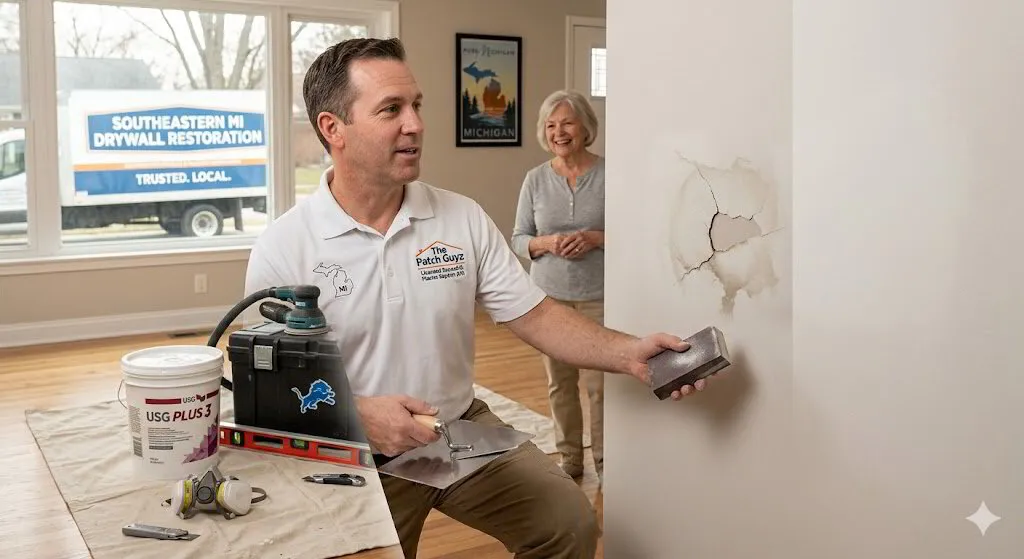
Finding the Best Drywall Repair Services Near You: A Comprehensive Guide When damage strikes your walls or ceilings, finding reliable repair services …
Flawless Walls: The Complete Guide to Professional Drywall Crack Repair
Expert Guide to Professional Drywall Crack Repair Services Discovering cracks in your drywall can be frustrating, whether you're a homeowner dealing w…