Common Drywall Issues and Practical Solutions
Common drywall issues and solutions are more prevalent than many homeowners realize,
affecting the overall aesthetics and structural integrity of their living spaces. Did you know that
neglecting small cracks or water stains on your walls can lead to more significant problems in the
long run? As drywall serves as a crucial barrier between the indoor environment and external
elements, ensuring its maintenance is vital for comfort and safety. In this blog post, we will delve
into the various types of common drywall issues, explore practical solutions, and provide tips on
when to seek professional assistance. Whether you're a seasoned DIY enthusiast or a new
homeowner, understanding these challenges can empower you to tackle drywall repairs with
confidence.
Types of Common Drywall Issues
Drywall, while a staple in most homes, can experience a variety of problems that, if left unattended,
may lead to bigger issues. Understanding these common drywall issues and their solutions is
critical for homeowners looking to maintain the integrity of their living spaces.
Cracks and Nail Pops
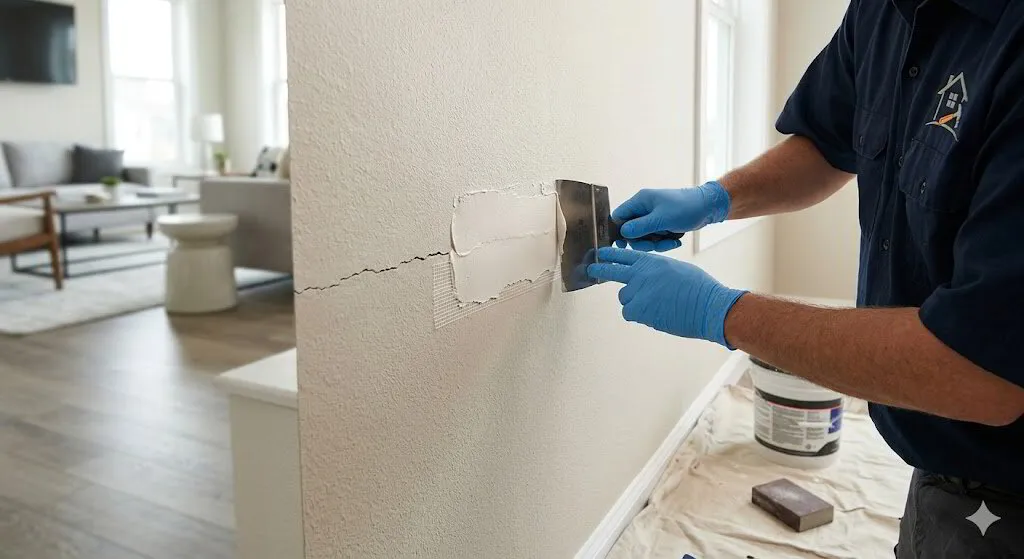
Cracks are one of the most frequently encountered drywall problems. They can arise from several factors, including natural settling of the house or temperature fluctuations. Nail pops occur when the nails used in hanging drywall loosen, causing unsightly bumps.
- Causes:
○ House settling
○ Temperature changes
○ Moisture levels
- Solutions:
○ For cracks, a simple application of joint compound can be effective.
○ Nail pops can be fixed by re-nailing or using screws, followed by proper patching.
Water Damage and Stains
Water damage is another common issue with drywall, often seen as discoloration or warping.
This can be due to leaks from roofs, plumbing, or high humidity.
- Causes:
○ Roof leaks
○ Burst pipes
○ High humidity levels
- Solutions:
○ Identify and fix the water source before repairing the drywall.
○ Replace severely damaged sections, using moisture-resistant drywall in high-risk areas.
Holes and Dents
Holes and dents can occur from various impacts, such as furniture moving or accidents.
- Causes:
○ Accidental impacts
○ Poor handling during renovations
- Solutions:
○ Small holes can be filled with spackle or joint compound.
○ Larger holes may require a patch kit or piece of new drywall for a seamless repair.
Mold and Mildew Growth
Mold and mildew can grow on drywall if moisture issues are not addressed. This poses health
risks and structural damage.
- Causes:
○ Prolonged exposure to moisture
○ Poor ventilation
- Solutions:
○ Use a dehumidifier and ensure proper ventilation.
○ Replace areas affected by mold with mold-resistant drywall.
Causes of Common Drywall Problems
Understanding the root causes of common drywall issues can help in their prevention and
maintenance. Here are some prevalent factors contributing to drywall problems:
- Environmental Factors: High humidity and extreme temperature fluctuations can lead
to cracks and water damage.
- Building Movement: Settling of the house over time may cause stress on the drywall.
- Lack of Maintenance: Neglecting regular checks can lead to minor issues escalating
into significant problems.
- Poor Installation Practices: Inadequate installation can make drywall more susceptible
to damage.
By being vigilant and proactive, homeowners can effectively address these common drywall
issues and solutions before they worsen. For more detailed guidance on drywall maintenance,
you may find resources from Home Depot.
Practical Solutions for Common Drywall Issues
Addressing common drywall issues and implementing effective solutions can save
homeowners from extensive repairs and costs. Here’s a detailed guide on how to tackle these
problems effectively.
Repairing Small Cracks and Nail Pops
Small cracks and nail pops are relatively easy to fix and can typically be managed with a few
essential tools.
- Tools and Materials Needed:
○ Utility knife
○ Joint compound
○ Putty knife
○ Sandpaper
○ Primer and paint
- Step-by-Step Repair Guide:
1. Use the utility knife to clean the crack edges.
2. Apply joint compound with a putty knife, ensuring it's smooth.
3. Allow it to dry thoroughly before sanding it down to an even finish.
4. Prime and paint to match the surrounding area.
Addressing Water Damage
Water damage requires immediate attention to prevent mold growth and further
deterioration.
- Identifying the Source of Water:
○ Check for plumbing leaks behind walls or under sinks.
○ Inspect your roof for missing shingles or leaks.
- Techniques for Effective Repair:
1. Once the source of water is fixed, cut away the damaged drywall.
2. Replace the damaged section with new drywall, securing it with screws.
3. Tape and mud the seams, sanding them smooth before painting.
Fixing Holes and Dents
Dealing with various sizes of holes in drywall can be straightforward if approached appropriately.
- Different Methods for Various Hole Sizes:
○ Small Holes: Use patching compound or spackle.
○ Medium Holes: Use a drywall patch kit, following the instructions for application.
○ Large Holes: Cut a new piece of drywall to fit, securing it and then covering the seams
with joint tape and compound.
- Applying Patches and Finishing:
1. Apply joint compound over the patch and feather the edges out to blend with the wall.
2. Once dry, sand it smooth, prime, and then paint.
Preventative Measures
To reduce the likelihood of encountering common drywall issues, homeowners should adopt
some proactive measures:
- Regular Inspections and Maintenance:
○ Schedule periodic checks for signs of cracks, water stains, or mold.
- Controlling Humidity Levels:
○ Invest in dehumidifiers for areas prone to moisture, like basements.
- Using Quality Materials:
○ Choose high-quality drywall and resistant materials, especially in moisture-prone
areas.
By applying these practical solutions for common drywall issues, homeowners can maintain a
beautiful and safe living environment. For additional home improvement tips, consider visiting
Lowe's for expert advice and resources.
When to Seek Professional Help
While many common drywall issues and their solutions can be handled by homeowners, certain
situations require the expertise of a professional. Understanding when to call in the experts can
save time, effort, and money in the long run.
Determining Repair Complexity
Some drywall problems can be deceptive in complexity. Here's how to assess whether a professional is needed:
- Signs That You May Need Professional Assistance:
○ Large cracks or extensive damage beyond simple repairs.
○ Water damage affecting structural integrity or multiple areas.
○ Mold growth that may require specialized remediation.
○ Difficulty in accurately matching the texture or paint finish.
- Evaluating Your Skills and Tools:
○ If you lack experience or the right tools, hiring a professional might be a more efficient
choice.
○ Consider your comfort level with DIY projects; if you’re unsure, it’s better to seek
expert help.
Advantages of Hiring a Professional Drywall Service
Opting for professional assistance has several benefits that can enhance the overall outcome of
your drywall repairs:
- Quality Workmanship:
○ Experienced contractors can ensure repairs are done right the first time.
○ Professionals often have the knowledge of the best materials and methods for lasting
results.
- Time Efficiency:
○ Professionals can complete repairs more quickly than most homeowners, allowing you
to return to your regular activities.
- Comprehensive Solutions:
○ Experts can identify underlying issues that may not be apparent initially, such as
structural problems or persistent moisture sources.
Overview of The Patch Guyz Services
If you are located in the Detroit area and find yourself overwhelmed by drywall issues, The Patch
Guyz offers a range of professional services tailored to meet your needs. From minor repairs to
complete drywall installations, they ensure high-quality work and customer satisfaction.
For more information on how to handle common drywall issues and solutions effectively, consider
visiting The Home Depot for helpful resources and project tips.
Conclusion
Maintaining drywall is essential for both aesthetic appeal and structural integrity in your home.
By understanding the common drywall issues and solutions, homeowners can effectively address
minor problems before they escalate into significant repairs. Remember, regular maintenance
and prompt action can save you time and money in the long run.
Recap of Common Drywall Issues and Solutions
- Cracks and Nail Pops: Can often be repaired with joint compound and paint.
- Water Damage: Requires immediate attention to fix the source and replace damaged
sections.
- Holes and Dents: Small damages can be patched, while larger holes may need more
extensive repairs.
- Mold Growth: Needs prompt removal and moisture control measures.
Encouragement to Maintain Drywall Integrity
Taking proactive steps can greatly extend the lifespan of your drywall and enhance the overall
quality of your living space. Regular inspections for moisture, poor ventilation, and physical
damage should be part of your home maintenance routine. Utilizing quality materials and proper
installation methods will also contribute to a healthier living environment.
Call to Action for Professional Assistance
If you encounter complex issues or simply prefer a hassle-free approach to your drywall repairs,
seeking professional assistance is a wise decision. Organizations like The Patch Guyz specialize in
addressing a variety of drywall concerns with expertise and efficiency.
For additional tips and resources for home improvement and drywall maintenance, consider
checking Lowe’s. With the right knowledge and tools, you can confidently manage common drywall
issues and solutions in your home!
Understanding the Importance of Drywall
Maintenance
Drywall is not only a critical component of home construction but also a key element in
maintaining the overall comfort and safety of your living environment. Recognizing the
importance of drywall maintenance can help prevent many common drywall issues and
solutions from becoming serious problems.
Benefits of Regular Drywall Maintenance
Regularly checking and maintaining your drywall can lead to several advantages, including:
- Enhanced Aesthetics:
○ Keeping your walls free from cracks, stains, and blemishes ensures your home looks
its best.
- Improved Indoor Air Quality:
○ Addressing moisture issues prevents mold growth, which can negatively affect air
quality.
- Cost Savings:
○ Preventing minor issues from escalating into major repairs saves you money in the
long run.
- Increased Home Value:
○ A well-maintained home is more appealing to potential buyers, thereby increasing its
market value.
Key Maintenance Practices for Homeowners
To keep your drywall in top condition, consider adopting the following maintenance practices:
- Conduct Regular Inspections:
○ Look for cracks, water stains, or signs of mold in various areas of your home.
- Control Humidity Levels:
○ Use dehumidifiers where necessary and ensure proper ventilation in moisture-prone
areas like bathrooms and kitchens.
- Address Repairs Promptly:
○ Don’t delay repairs; tackle small issues before they become major problems.
- Educate Yourself:
○ Stay informed about common drywall issues and their solutions through reliable
resources.
For more detailed insights on home maintenance and drywall care, visit Home Improvement
Online for expert tips and high-quality materials. Taking proactive steps toward drywall
maintenance can significantly enhance your home’s value, safety, and comfort.
Resources for Homeowners Facing Drywall Challenges
Navigating common drywall issues and solutions can be overwhelming for many homeowners.
Fortunately, there are numerous resources available that can provide guidance, tools, and
professional assistance as needed.
Helpful Online Resources
The internet offers a variety of platforms that can help homeowners learn about drywall
maintenance, repairs, and best practices:
- DIY Websites:
○ Websites such as HomeAdvisor provide articles and tutorials on basic drywall repairs
and maintenance.
- Video Tutorials:
○ Platforms like YouTube feature countless instructional videos on fixing specific drywall
problems, making it easier to visualize the repair process.
- Home Improvement Blogs:
○ Many blogs focus on home improvement, offering tips, tricks, and solutions for
common drywall issues.
Professional Services
Sometimes, common drywall issues may require the expertise of professionals. Here’s how to
find reliable help:
- Ask for Recommendations:
○ Friends, family, or neighbors may have good experiences to share regarding local
drywall services.
- Check Reviews:
○ Websites like Yelp and Google Reviews can provide insight into the reputation of local
drywall contractors.
- Get Multiple Quotes:
○ Before deciding on a service, obtain quotes from a few providers to ensure you get a
fair price.
By utilizing these resources, homeowners can effectively address common drywall issues and
solutions with confidence. Whether you choose to tackle the repairs yourself or seek professional
help, staying informed will empower you to maintain your home's drywall effectively.
Final Thoughts on Drywall Care
Caring for your drywall is an essential aspect of home maintenance that often goes overlooked.
By understanding the common drywall issues and solutions, you can enhance the comfort and
aesthetic appeal of your living spaces while ensuring your home's structural integrity.
Stay Proactive with Your Drywall Maintenance
Regular maintenance and prompt repairs are key to preventing common drywall issues. Here
are some proactive steps you can take:
- Schedule Annual Inspections:
○ Evaluate your drywall each year to identify any potential problems early.
- Educate Yourself:
○ Stay informed about potential issues by reading expert articles or watching tutorials
on drywall repair.
- Invest in Quality Materials:
○ When tackling repairs or renovations, choosing high-quality materials can prevent future
problems.
Seeking Professional Guidance
While many drywall tasks can be DIY projects, certain problems may warrant professional help. If
you find yourself facing larger repairs or persistent issues, don't hesitate to seek expert guidance.
Professional contractors have the tools and experience necessary to resolve complex issues
effectively.
The Importance of Reliable Resources
As you navigate common drywall issues and solutions, reliable resources can make all the
difference. For an extensive selection of tools and materials for your drywall projects, visit Lowe’s.
They provide comprehensive home improvement products and expert advice to help you tackle
any drywall issue with confidence.
In conclusion, maintaining your drywall can lead to a safer, more beautiful home. By staying
proactive, educating yourself, and knowing when to seek help, you can effectively manage
drywall concerns and enjoy the benefits of a well-maintained living space.
Frequently Asked Questions
What are the most common drywall issues?
The most common drywall issues include cracks, nail pops, water damage, holes, and mold
growth. These problems can arise from various causes, such as settling of the house, moisture
exposure, and accidents. Being aware of these issues is essential for timely maintenance and
repairs.
How can I fix small cracks in drywall?
Small cracks in drywall can typically be fixed using joint compound or spackle. First, clean the
edges of the crack, apply the compound with a putty knife, and then allow it to dry. Once dry, sand
it smooth, prime, and paint to match the surrounding wall.
When should I replace drywall due to water damage?
You should consider replacing drywall if there is extensive water damage that causes significant
swelling, discoloration, or mold growth. If the drywall feels soft or shows visible signs of mold, it
is best to remove and replace the damaged sections to prevent further issues.
Is it necessary to hire a professional for drywall repairs?
While many minor drywall repairs can be handled as DIY projects, larger or more complicated
issues often require the expertise of a professional. If you're dealing with extensive water
damage, mold, or structural concerns, hiring a qualified contractor can ensure the repairs are
done correctly and safely.
How can I prevent common drywall issues?
Preventing common drywall issues involves regular inspections for any signs of damage,
controlling humidity levels, and addressing repairs promptly. Additionally, using quality materials
during installation and maintenance can help avoid future problems, ensuring your drywall
remains in good condition for years to come.
Related Articles
Ultimate Guide: How To Repair Textured Walls Like A Pro
Ultimate Guide: How to Repair Textured Walls Like a Pro Textured walls have become a defining feature in countless homes across Southeastern Michigan,…
The Ultimate Guide to Finding the Best Drywall Repair Services Near You
Finding the Best Drywall Repair Services Near You: A Comprehensive Guide When damage strikes your walls or ceilings, finding reliable repair services …
Flawless Walls: The Complete Guide to Professional Drywall Crack Repair
Expert Guide to Professional Drywall Crack Repair Services Discovering cracks in your drywall can be frustrating, whether you're a homeowner dealing w…