Common Drywall Issues and Effective Solutions
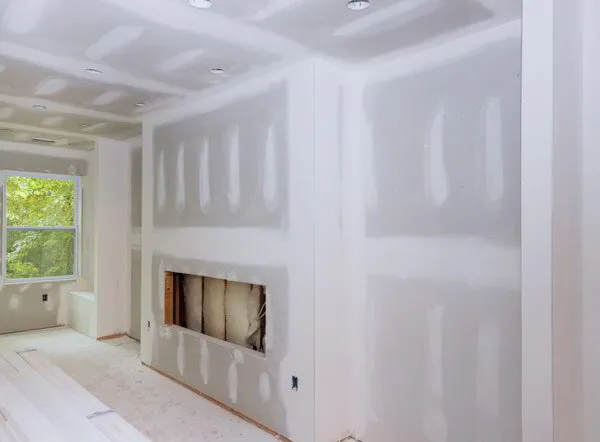
Did you know that minor drywall issues can escalate into major headaches if left unchecked?
Understanding common drywall issues and solutions is crucial for every homeowner who wants
to maintain a beautiful and safe living space. From unsightly cracks and water damage to mold
growth that poses health risks, these problems can arise from everyday wear and tear or
environmental factors. How you address these issues can significantly impact not only the
appearance of your home but also its overall integrity. In this blog post, we will explore the most
prevalent drywall problems you might encounter and effective strategies for resolving them,
ensuring your walls remain in top-notch condition.
Overview of Common Drywall Issues
Understanding drywall is essential for homeowners to maintain the integrity of their living spaces.
Drywall, also known as gypsum board or wallboard, is a material used in interior construction that
provides a smooth surface for painting or wallpaper. It is widely favored due to its versatility and
relatively low cost. However, improper installation or environmental factors can lead to various
common drywall issues.
The importance of proper drywall installation cannot be overstated. A well-installed drywall
minimizes the risk of damage and can significantly increase the longevity of your walls. Below, we
delve into some of the most prevalent common drywall issues and solutions that homeowners
encounter.
Common Drywall Issues
Drywall can suffer from a variety of problems, and recognizing these issues early is crucial for
maintaining the aesthetics and safety of your home. Here are some of the most common
drywall issues:
Cracks and Scratches
- Fine cracks can develop as the house settles.
- Scratches may appear from everyday wear and tear.
Dents and Dings
- Impact from furniture or household items can cause unsightly dents.
- Accidental bumps can lead to deeper dings requiring repair.
Water Damage
- Leaks from plumbing issues can lead to discoloration and structural damage.
- High humidity environments can also create problems.
Mold and Mildew Growth
- Excess moisture can promote mold growth on and behind drywall.
- This poses serious health risks and requires immediate attention.
Tape and Joint Issues
- Poorly applied tape can cause seams to show and lead to further damage.
- Joint compound that hasn't been sanded correctly may also flake off.
Holes from Nails or Anchors
- Hanging pictures or shelves often leaves behind small holes.
- Over time, these can accumulate and create a disheveled appearance.
Recognizing these issues early on can save homeowners both time and money, as neglecting
them can lead to more extensive damage.
Effective Solutions for Common Drywall
Issues
When faced with common drywall issues, the right solutions can make all the difference.
Below are practical methods for tackling various problems:
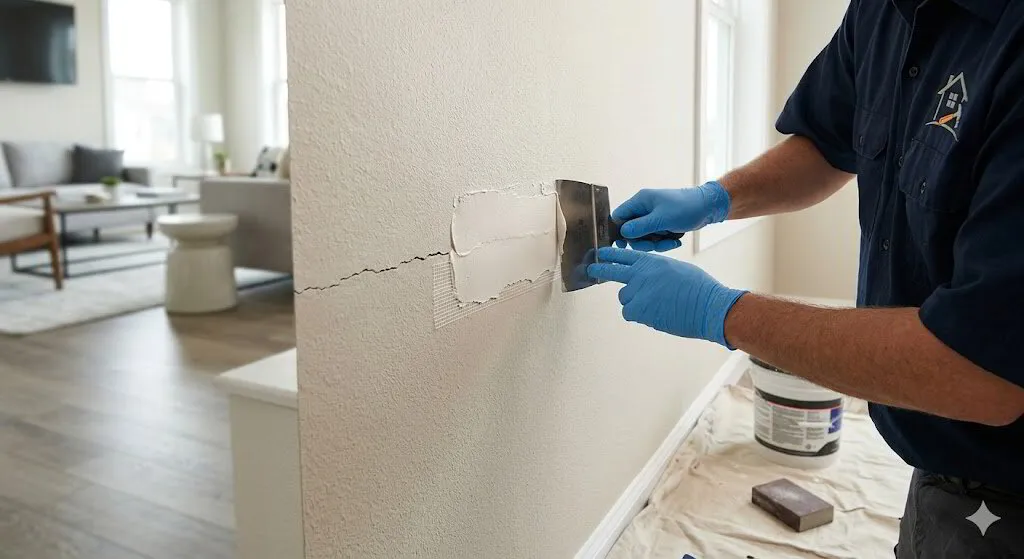
Repairing Cracks and Scratches
- Clean the area first.
- Apply joint compound using a putty knife and smooth it out.
- Sand it down once dry, and repaint as necessary.
Fixing Dents and Dings
- For small dents, a lightweight spackling compound will suffice.
- Larger dings may need a more extensive patching process.
Addressing Water Damage
- Identify and fix the source of the leak.
- Cut out the damaged drywall and replace it with new material.
Dealing with Mold and Mildew
- Use a solution of water and vinegar to scrub the affected areas.
- Ensure good ventilation to prevent future growth.
Resolving Tape and Joint Problems
- Remove any loose tape and reapply with proper technique.
- Ensure even sanding for a smooth finish before repainting.
Repairing Nail Holes and Anchor Damage
- Fill small holes with spackle or putty.
- For larger holes, use a patch kit to ensure a seamless repair.
For more DIY solutions, you may refer to the Home Depot DIY projects and ideas for
comprehensive guidance.
When to Call a Professional
While many drywall issues can be self-managed, there are situations when it might be best
to hire a professional. Assess the severity of the issue. If the damage is significant or involves
structural concerns, a drywall expert can provide the necessary repairs and guidance. Engaging a
professional can save you time, guarantee quality work, and prevent further damage down the line.
In conclusion, understanding these common drywall issues and solutions can empower
homeowners to maintain their properties effectively. Addressing drywall problems early on can
preserve both the appearance and value of your home.
Preventative Measures for Future Drywall
Issues
Preventing common drywall issues and solutions starts with understanding the conditions that
can lead to problems down the line. By taking proactive measures, homeowners can maintain the
appearance and structural integrity of their interiors. Here are some effective strategies for
prevention:
Regular Maintenance Tips
- Inspect Periodically: Regularly check for visible signs of damage, such as cracks, water
stains, or mold growth.
- Keep the Environment Dry: Use dehumidifiers in moisture-prone areas, such as
basements or bathrooms, to minimize humidity levels.
- Monitor Plumbing: Regularly inspecting pipes and fixtures can prevent leaks that lead to
water damage.
Choosing Quality Materials
- Select High-Quality Drywall: Consider moisture-resistant drywall for bathrooms and
kitchens to counteract humidity issues.
- Use Proper Finishing Products: Invest in high-quality joint compounds and tapes to reduce
the chances of tape and joint problems.
Best Practices During Renovations
- Professional Installation: Hire experienced professionals for drywall installation and any major renovations to ensure that it’s done correctly.
- Follow Manufacturer Guidelines: Always adhere to guidelines provided by drywall
manufacturers to maintain performance and longevity.
Importance of Climate Control
- Maintain Consistent Temperatures: Extreme temperature fluctuations can cause drywall
to crack. Keeping your home at a consistent temperature helps manage this.
- Seal Windows and Doors: Proper sealing can prevent moisture intrusion, which is a
common cause of water damage in drywall.
By implementing these preventative measures, homeowners can greatly reduce the likelihood
of encountering common drywall issues. For an extensive range of restoration and
improvement products, visit Lowe’s Home Improvement to find the tools you need for
maintaining your drywall and ensuring a safe, comfortable living space.
In summary, taking the right steps to prevent drywall problems is just as important as knowing
how to solve them. Regular checks, quality materials, and smart home maintenance practices
can go a long way in preserving the integrity of your home’s drywall.
Conclusion
In summary, understanding and addressing common drywall issues and solutions is essential
for every homeowner. From minor scratches and water damage to more serious concerns like
mold growth or structural problems, knowing how to manage these issues can save you time,
stress, and money.
Recap of Common Drywall Issues
Throughout this post, we discussed various common drywall problems, including:
- Cracks and Scratches: Issues often caused by settling or wear and tear.
- Dents and Dings: Damage from everyday impacts that can be easily repaired.
- Water Damage: A serious concern that requires immediate attention.
- Mold Growth: A health risk that should be addressed with urgency.
- Tape and Joint Problems: Common issues that can affect the visual integrity of your
walls.
- Nail and Anchor Holes: A minor issue that can accumulate and appear unsightly.
Encouragement to Take Action on Repairs
Taking proactive steps in identifying and fixing these issues early can prevent more significant
problems down the line. Always consider reaching out to professionals when dealing with
extensive damage or when you lack the confidence to perform repairs yourself. Your home is
an investment, and maintaining it ensures its longevity and aesthetic appeal.
For further resources or to explore quality drywall products and repair materials, visit Home
Depot. They offer a wide range of tools and tips to support your drywall projects.
Identifying Drywall Problems
Recognizing common drywall issues and solutions begins with keen observation. Homeowners
often overlook early signs of damage, which can lead to more significant problems if not
addressed promptly. Here are some tips on how to identify drywall issues early on.
Signs of Damage to Look For
- Visible Cracks: Check for fine cracks around door frames, windows, and where the drywall
meets the ceiling.
- Water Stains: Look for brown or yellow stains, particularly near plumbing fixtures or
windows, which may indicate a leak.
- Bubbles or Blisters: These can form when moisture becomes trapped, often a sign of
underlying water damage.
- Mold Growth: Dark spots or fuzzy patches on the drywall surface can indicate mold,
which often develops in damp areas.
- Uneven Surfaces: Touch the surface of your walls; any uneven patches may suggest
shifting or settling issues.
- Dents and Holes: Look for any small holes left by nails or screws, as well as larger dents
or punctures from accidents.
Immediate vs. Long-Term Issues
Differentiating between immediate and long-term issues is crucial for effective management:
- Immediate Issues: These are visible problems that require urgent attention, such as water
damage or mold growth. Leaving these unaddressed can lead to further complications
like structural damage or health risks.
- Long-Term Issues: Problems such as hairline cracks may seem minor initially but can
indicate deeper settling issues. Regularly monitoring these can help you develop a
maintenance plan before they escalate.
By being vigilant and identifying these signs early, you can effectively implement the common
drywall issues and solutions discussed in this blog. For more detailed resources on home
maintenance, visit Lowe’s Home Improvement, which offers helpful guides and high-quality
materials for all your drywall needs.
Repairing Common Drywall Issues
When it comes to maintaining your home, knowing how to handle common drywall issues and
solutions is essential. Timely repairs can prevent minor issues from escalating into major problems.
Below are effective methods for repairing some of the most prevalent drywall concerns.
Repairing Cracks and Scratches
Cracks are often caused by settling or temperature changes. Here’s how to repair them:
- Clean the Area: Remove any loose debris around the crack.
- Apply Joint Compound: Use a putty knife to spread joint compound over the crack,
smoothing it out.
- Sand Smooth: Once the compound is dry, sand the area until smooth.
- Prime and Paint: Once sanded, apply primer and paint to match the surrounding wall.
Fixing Dents and Dings
Dents from everyday use can diminish your walls’ appearance. To repair this issue:
- Use Spackle: Fill the dent with spackling compound using a putty knife.
- Smooth Out: Smooth the surface with the edge of the knife for a clean finish.
- Allow to Dry and Sand: After drying, sand the area lightly and touch up with paint.
Addressing Water Damage
Water damage requires immediate attention. Follow these steps to resolve it:
- Identify the Source: Before making any repairs, find and fix the leak causing the damage.
- Remove Affected Drywall: Cut out the damaged sections using a utility knife.
- Replace with New Drywall: Install new drywall cut to size and secure it properly.
- Seal and Paint: Apply primer to prevent mold and paint to match the existing wall.
Dealing with Mold and Mildew
For mold issues, safety should be your priority. Here’s how to address it:
- Wear Protective Gear: Always wear gloves and a mask when dealing with mold.
- Scrub the Area: Use a mixture of water and vinegar to scrub the affected area.
- Dry Completely: Ensure the area is completely dry to prevent mold from returning.
- Consider Replacement: In severe cases, replacing the drywall may be necessary.
By employing these strategies, you can tackle common drywall issues and solutions effectively. If
the damage is extensive or you’re unsure about the repairs, it may be wise to consult a
professional. For high-quality materials and further guidance, check out Home Depot, where you
can find everything you need for your repair projects.
When to Call a Professional
While many common drywall issues and solutions can be effectively managed by homeowners,
there are situations where professional help is warranted. Understanding when to seek expert
assistance is crucial for ensuring safety and achieving high-quality results.
Evaluating the Severity of the Issue
Before deciding whether to tackle drywall repairs yourself or hire a professional, consider the
following factors:
- Extent of Damage: If you notice large areas of damage, such as extensive water stains or
widespread mold growth, it's best to consult a professional. Minor dents and cracks
can typically be addressed on your own, but significant damage often requires
specialized skill.
- Structural Concerns: Any signs of structural issues or shifting that may have caused
drywall damage should warrant a professional assessment. Ignoring these signs can
lead to more serious problems down the line.
- Safety Hazards: If you're dealing with mold that poses health risks, or if you suspect
a leaking pipe could be causing water damage, professional intervention can ensure
a safe and thorough remediation.
Benefits of Hiring a Drywall Expert
Engaging a professional can offer several advantages:
- Expertise: Professionals have the skills and experience to diagnose and repair complex
drywall issues accurately.
- Quality Workmanship: Hiring an expert often ensures that repairs will last longer and
require fewer touch-ups.
- Time Efficiency: Professionals can typically complete repairs more quickly, allowing you
to return to your normal routine sooner.
- Warranty: Many contractors offer warranties on their work, providing peace of mind in
the event of future issues.
By assessing the severity of the drywall damage and recognizing when to call in a professional,
you can effectively manage your home's maintenance needs. If you're ever uncertain, it's best to
err on the side of caution and consult an expert. For more resources or to find qualified
professionals, visit Angie's List, where you can read reviews and find reputable contractors for
your drywall needs.
Common Drywall Issues and Effective
Solutions
Understanding the common drywall issues and solutions available can empower homeowners
to maintain their properties effectively. By knowing how to identify, repair, and prevent damage
to your drywall, you can ensure that your home's interior remains both beautiful and functional.
Below are some of the prevalent drywall problems along with actionable solutions.
1. Cracks and Scratches
Cracks and scratches are among the most common issues faced by homeowners. They often
occur due to settling, temperature fluctuations, or regular wear and tear.
Solutions:
- Inspect Regularly: Keep an eye on areas where drywall is more likely to crack, such as
corners and joints.
- Repair Quickly: Use a joint compound to fill in cracks; sand and paint afterward to blend
it in with the wall.
2. Water Damage
Water damage can be particularly devastating, often leading to mold growth and compromising
the structural integrity of your home.
Solutions:
- Identify Source of Water: Locate the leak and fix it immediately to prevent further
damage.
- Remove Damaged Drywall: Cut out the affected sections and replace them with new
drywall.
- Ensure Proper Ventilation: Use fans to dry the area thoroughly and prevent mold.
3. Mold and Mildew Growth
Mold and mildew can thrive in damp conditions, making it crucial to address moisture issues
swiftly.
Solutions:
- Use Mold-Resistant Products: Consider using mold-resistant drywall in moisture-prone
areas.
- Clean Affected Areas: Use a mixture of vinegar and water to kill mold; ensure the area is
completely dry afterward.
- Prevent Future Growth: Keep humidity levels low using dehumidifiers and improve
ventilation in bathrooms and kitchens.
4. Tape and Joint Issues
Improperly applied tape can lead to unsightly seams and joints showing through the paint.
Solutions:
- Reapply Tape: Carefully remove loose tape and reapply it with compound, ensuring
smooth edges.
- Sand and Prime: After drying, sand the joint area and apply primer before painting to
create a polished finish.
5. Nail and Screw Holes
These minor imperfections can accumulate over time, giving your walls a neglected appearance.
Solutions:
- Fill Small Holes: Use spackle or joint compound for small holes; sand smooth once dry.
- Use Patch Kits for Larger Holes: Patch kits can provide a clean and professional repair for
bigger damages.
Maintaining your drywall by tackling these common drywall issues and solutions will not only
enhance the look of your home but also its longevity. For comprehensive resources on home
improvement and repair materials, visit Home Depot, where you can browse tools and supplies
tailored for all your drywall projects.
What are the most common drywall issues?
The most common drywall issues include cracks and scratches, dents and dings, water damage,
mold and mildew growth, and problems with tape and joints. Each of these issues can arise
from various factors such as settling, moisture, and improper installation, and they can affect
the overall appearance and integrity of your walls.
How can I repair small cracks in my drywall?
To repair small cracks in your drywall, first clean the area to remove any loose debris. Then,
apply a joint compound using a putty knife, smoothing it out over the crack. Once the
compound has dried, sand the area until smooth and repaint to match the surrounding wall.
When should I consider hiring a professional for drywall repairs?
You should consider hiring a professional for drywall repairs if the damage is extensive, such as
large water stains, significant cracking, or mold growth. Also, if you’re uncomfortable with DIY
repairs or suspect structural issues, it's wise to consult an expert to ensure the job is done safely
and correctly.
Can I prevent mold growth on my drywall?
Yes, you can prevent mold growth on your drywall by ensuring proper ventilation in moisture-
prone areas like bathrooms and kitchens. Using mold-resistant drywall products and keeping
humidity levels low with dehumidifiers are effective strategies to combat mold development.
What tools will I need for basic drywall repairs?
For basic drywall repairs, you'll typically need a utility knife, putty knife, joint compound or spackle,
sandpaper, and primer and paint for finishing. Depending on the repair, additional tools like a
patch kit or a drywall saw may also be helpful for larger fixes.
Related Articles
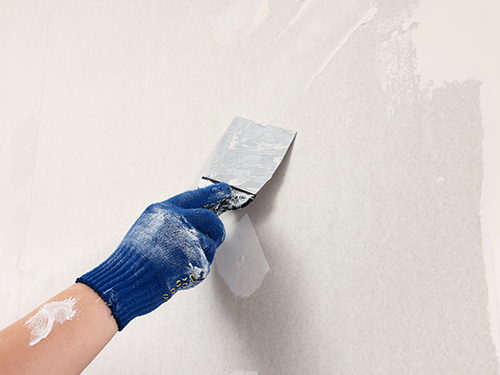
Ultimate Guide: How To Repair Textured Walls Like A Pro
Ultimate Guide: How to Repair Textured Walls Like a Pro Textured walls have become a defining feature in countless homes across Southeastern Michigan,…
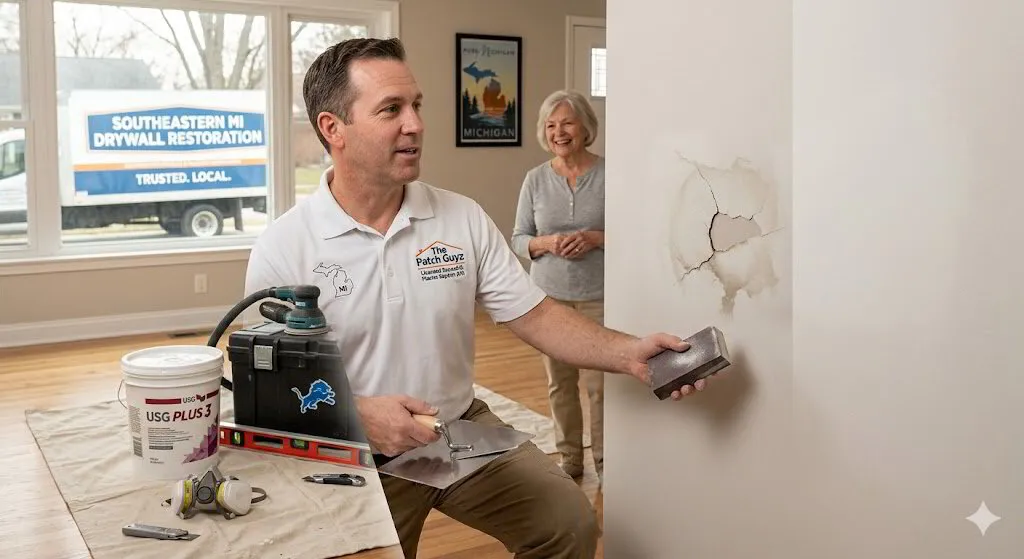
The Ultimate Guide to Finding the Best Drywall Repair Services Near You
Finding the Best Drywall Repair Services Near You: A Comprehensive Guide When damage strikes your walls or ceilings, finding reliable repair services …
Flawless Walls: The Complete Guide to Professional Drywall Crack Repair
Expert Guide to Professional Drywall Crack Repair Services Discovering cracks in your drywall can be frustrating, whether you're a homeowner dealing w…