Water Damaged Drywall Restoration In Detroit
Water damaged drywall restoration in Detroit is a common necessity for homeowners bracing
against the unpredictable weather of the Midwest. Did you know that even a small leak can lead
to significant structural issues and costly repairs if left unchecked? Water damage not only
compromises the integrity of your walls but also poses severe health risks, including mold
growth and respiratory problems. Understanding how to recognize the signs of water damage
and knowing when to take action can save you time, money, and headaches down the road. In
this blog post, we will delve into the intricacies of water damage, the restoration process, and
how to prevent future issues, ensuring your home remains safe and sound.
Understanding Water Damage and Its Effects on
Drywall
Water damage can manifest in various ways, each of which may lead to significant challenges
for homeowners. In this section, we will explore the different types of water damage that can
affect drywall, the common causes, and how to identify the signs indicating that your drywall
may need restoration.
Types of Water Damage
1. Category 1 – Clean Water Damage: This type refers to water from a clean source, like a
burst pipe or a leaking faucet. While not immediately harmful, it can become problematic if
not addressed quickly.
2. Category 2 – Gray Water Damage: Water that comes from appliances like washing
machines or dishwashers falls under this category. It may contain contaminants and
should be treated with caution.
3 . Category 3 – Black Water Damage: This is the most severe type, typically stemming
from sewage or flooding. Black water poses serious health risks and requires immediate
professional intervention.
Common Causes of Water Damage
- Leaking Pipes: Over time, pipes can corrode or develop leaks, leading to slow water
damage that may go unnoticed until significant issues arise.
- Roof Leaks: Damage to roofing materials can allow rainwater to infiltrate, leading to
soggy and damaged drywall.
- Flooding: Natural disasters or heavy rains can result in substantial amounts of water
entering homes, overwhelming the drainage systems.
- High Humidity: Excess moisture in the air may lead to condensation on walls, promoting
mold growth and drywall deterioration.
Signs of Water-Damaged Drywall
Detecting water damage early is crucial for timely restoration. Here are some common indicators you should watch for:
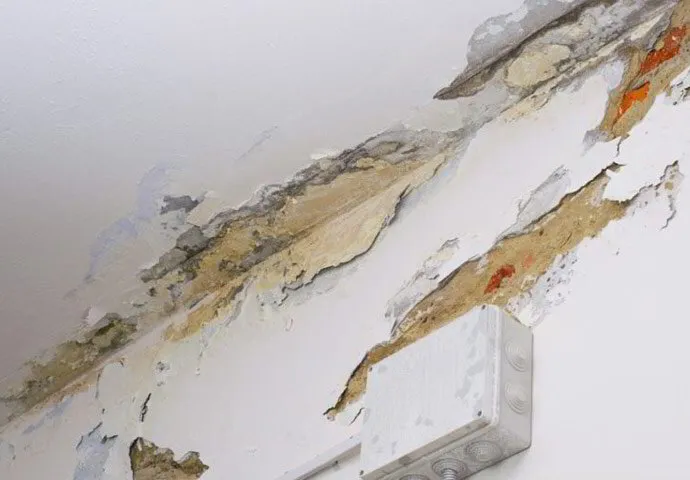
- Discoloration: Yellow, brown, or dark stains on the wall surface are often the first signs of
water intrusion.
- Bubbling or Peeling Paint: If you notice paint lifting or peeling, it may indicate moisture
trapped behind the drywall.
- Soft or Sagging Areas: Pressing on the wall should feel solid; if it feels spongy or loose,
this may suggest that the drywall has absorbed water.
- Musty Odor: A persistent damp smell can signal that mold is developing, which can occur
with wet drywall.
Identifying and addressing these issues promptly is crucial for any homeowner facing water
damaged drywall. For more on how to approach water damage, refer to resources from The
Recognizing these warning signs early can save you time, money, and stress, making it
essential to stay vigilant in maintaining your home's integrity and health.

The Importance of Timely Restoration
When it comes to water damaged drywall restoration in Detroit, acting quickly is paramount.
Delaying the restoration process can lead to severe consequences for both the property and its
occupants.
Risks of Ignoring Water Damage
Homeowners may be tempted to overlook minor signs of moisture damage, but this can lead to
several risks, including:
- Structural Integrity: Prolonged exposure to moisture can weaken the building's structure,
leading to costly repairs.
- Mold Growth: Water-damaged areas are breeding grounds for mold and mildew, which
can spread rapidly and pose health risks.
- Increased Repair Costs: What starts as a minor issue can quickly escalate into a major
repair project if not addressed promptly.
Long-term Effects on Your Property
Failing to restore water-damaged drywall can result in:
- Decreased Home Value: Visible damage and potential health hazards can deter buyers
from making an offer.
- Persistent Odors: Mold and mildew can create a musty smell that lingers in the home,
making it less inviting.
- Health Issues: Prolonged exposure to damp environments can lead to respiratory issues
and allergies.
Health Implications from Mold and Mildew
Mold thrives in moist environments, and its presence can lead to serious health complications.
Symptoms may include:
- Respiratory problems such as asthma
- Allergic reactions including sneezing and skin rashes
- Chronic sinus infections
To safeguard your health and maintain the integrity of your home, don’t hesitate to contact
professionals who specialize in water damaged drywall restoration in Detroit.
For more information on the health risks associated with mold and how to combat it, check out
Mayo Clinic's guidance on mold exposure. By understanding the urgency of timely restoration,
homeowners can protect their investments and their well-being effectively.

Steps for Water Damaged Drywall Restoration
in Detroit
Successfully restoring water-damaged drywall involves a systematic approach, ensuring that all
necessary steps are followed to prevent further damage and restore the integrity of your walls.
Here’s a detailed breakdown of the essential steps involved in the process.
Initial Assessment and Inspection
- Identify Source of Moisture: The first step is to determine where the water has come
from—whether it's a leaky pipe, flooding, or roof damage. This is crucial for effective
restoration.
- Evaluate Damage Extent: A thorough inspection will help assess how much of the
drywall has been affected. Experts typically look for signs of moisture penetration and
structural integrity.
- Determine Necessary Equipment: Depending on the severity, specialized equipment
like moisture meters and infrared cameras may be used for a detailed analysis.
Water Extraction and Drying Process
Once the assessment is complete, it's time to address the water itself:
- Remove Excess Water: Using pumps and vacuums, professionals will extract standing
water from the affected areas.
- Drying Time is Essential: Industrial-grade dehumidifiers and fans will be employed to
thoroughly dry the space. This process is crucial in preventing mold growth and further
damage.
Removing and Replacing Damaged Drywall
If the drywall is extensively damaged, complete removal may be necessary. Steps include:
- Cut Away Affected Areas: Damaged sections will be cut out carefully to minimize
disruption.
- Install New Drywall: New drywall is then fitted and secured, ensuring it aligns properly
with the existing structure.
- Finishing Touches: This includes taping, mudding, sanding, and painting the newly
installed drywall to match the surrounding areas.
By following these steps meticulously, professionals can perform effective water damaged
drywall restoration in Detroit, restoring your home to its original condition.
For more detailed guidance on drywall installation and restoration, consider exploring resources
from Lowe's. Knowing the steps involved can help you make informed decisions about your
property and ensure that restoration is done correctly and efficiently.
Choosing the Right Professionals for the Job
When it comes to water damaged drywall restoration in Detroit, hiring qualified professionals is
essential for ensuring a thorough and effective repair. The selection process can be daunting,
but understanding what to look for will help you make an informed decision.
Why Hire Experts for Water Damaged Drywall Restoration
Engaging a professional service has numerous advantages:
- Expertise and Experience: Professionals understand the intricacies of moisture damage
and are equipped with the skills to handle complex situations.
- Specialized Equipment: Access to industrial-grade tools and technologies ensures that the
job is performed efficiently and effectively.
- Safety: Trained experts know how to handle hazardous materials like mold safely,
protecting both their well-being and that of the occupants.
What to Look for in a Restoration Company
When selecting a drywall restoration company, consider the following factors:
- Certification and Licensing: Ensure the company is certified and complies with local
regulations. This not only guarantees quality but also protection against liability.
- Experience in Water Restoration: Check how long the company has been in business
and if they specialize in water damage restoration.
- Reputation and Reviews: Look for customer testimonials and ratings. Online platforms
such as Google and Yelp can provide insights into past customer experiences.
- Insurance Coverage: Ensure the company holds adequate insurance coverage to
protect against accidents or damages during restoration.
Questions to Ask Before Hiring
Before making a decision, consider asking potential contractors these important questions:
- What is your assessment process for determining the extent of water damage?
- Can you provide references from past clients?
- What types of warranties or guarantees do you offer on your work?
- How do you handle unexpected complications during the restoration process?
By thoroughly vetting professionals, you can ensure you select a company that is well-equipped
to handle your specific needs regarding water damaged drywall restoration in Detroit.
For more insights on how to choose the right contractor, check out the resources from Angie's
List. Making the right choice is crucial in protecting your home and investment.

Preventing Future Water Damage
Taking proactive steps to prevent future water damage is essential for homeowners who have dealt with issues requiring water damaged drywall restoration in Detroit. Being aware of potential vulnerabilities can save you from costly repairs and ensure the longevity of your home.
Tips for Homeowners to Protect Their Drywall
1 Regular Inspections:
○ Inspect your home regularly for leaks or signs of moisture. Pay close attention to
plumbing fixtures, roofs, and basements.
2 Maintain Gutters and Downspouts:
○ Ensure that gutters and downspouts are clean and directing water away from your
foundation. Clogged gutters can lead to overflow and potential water damage.
3 Seal Windows and Doors:
○ Check seals around windows and doors to prevent water intrusion during heavy
rains. Use caulk and weather stripping to keep moisture out.
4 Monitor Indoor Humidity Levels:
○ Keep humidity levels below 60% with the help of dehumidifiers. High humidity can
lead to condensation, encouraging mold growth.
5 Install Sump Pumps:
○ In areas prone to flooding, consider installing a sump pump to help manage water
accumulation during heavy rains or storms.
6 Proper Landscaping:
○ Grade your yard to slope away from your home, directing rainwater away from the
foundation. Use retaining walls or landscaping features to manage water runoff
effectively.
Importance of Regular Inspections
Regular maintenance and inspections are key in preventing water damage. By being proactive:
- Early Detection: Catching issues early can prevent them from escalating into major
problems, saving time and money.
- Enhanced Property Value: A well-maintained home is more attractive to potential buyers
and retains its value over time.
- Health Benefits: Preventing water damage reduces the risks of mold and mildew,
contributing to a healthier living environment.
Recommended Maintenance Practices
Incorporating maintenance best practices can create a long-lasting impact:
- Professional Maintenance Services: Schedule regular check-ups with qualified
professionals to inspect plumbing and roofing.
- Emergency Preparedness: Be prepared for storms by having an emergency kit and
knowing how to shut off your water supply in case of a flood.
By implementing these strategies, you can significantly minimize the risk of future water damage
and avoid the need for water damaged drywall restoration in Detroit.
For further information on home maintenance and prevention techniques, consider checking out
resources on HomeAdvisor. Keeping your home in good condition is not just about repairs; it's
about prevention.

Conclusion
In summary, effective water damaged drywall restoration in Detroit requires understanding the
risks associated with water damage, taking timely action, and choosing the right professionals
for the job. Ignoring the signs of moisture can lead to serious structural issues, costly repairs,
and health complications.
Key Takeaways:
- Recognize Early Signs: Be vigilant about the indicators of water damage—discoloration,
mold growth, and soft spots—in your drywall.
- Act Quickly: Prompt action can prevent minor issues from escalating into major
problems. Address water damage as soon as it’s detected.
- Hire Qualified Professionals: Selecting an experienced and reputable restoration
company is crucial to ensure a thorough and safe restoration process.
- Implement Preventive Measures: Regular inspections and maintenance can help
protect your home from future water damage, enhancing its value and safety.
By staying informed and proactive, homeowners can better protect their properties from water
damage and maintain a safe, healthy living environment.
For more extensive resources on home repair and maintenance, visit This Old House, where
you can find valuable information on maintaining the integrity of your home.

Frequently Asked Questions
What are the signs of water-damaged drywall?
Common signs of water-damaged drywall include discoloration, such as yellow or brown stains,
soft or sagging areas that feel spongy to the touch, bubbling or peeling paint, and a persistent
musty odor. If you notice any of these indicators, it's crucial to assess the situation promptly to
prevent further damage.
How does the water damage restoration process work?
The water damage restoration process typically begins with a thorough assessment to identify
the extent of the damage and the source of moisture. This is followed by water extraction using
pumps and vacuums, drying the affected area with industrial-grade equipment, and finally
removing and replacing any damaged drywall. Each step is essential to ensure a
comprehensive restoration.
How long does the restoration process take?
The duration of the water damaged drywall restoration in Detroit varies depending on the
severity of the damage and the size of the affected area. Generally, minor repairs can take a few
days, while more extensive damage may require a week or more. A professional assessment
will provide a more accurate time estimate based on your specific situation.
Can I repair water-damaged drywall myself?
While some homeowners may opt for DIY repairs, it is often advisable to hire professionals for
water damaged drywall restoration. Experts have the necessary tools, experience, and
knowledge to effectively assess and resolve the damage, ensuring safety and quality work.
Moreover, improper repairs can lead to more significant issues down the road.
How can I prevent water damage to my drywall in the future?
To prevent future water damage, homeowners should conduct regular inspections for leaks,
maintain gutters and downspouts to direct water away from the foundation, seal windows and
doors properly, control indoor humidity, and consider installing sump pumps in flood-prone
areas. Proactive maintenance can significantly reduce the risk of moisture-related problems.
Related Articles
Ultimate Guide: How To Repair Textured Walls Like A Pro
Ultimate Guide: How to Repair Textured Walls Like a Pro Textured walls have become a defining feature in countless homes across Southeastern Michigan,…
The Ultimate Guide to Finding the Best Drywall Repair Services Near You
Finding the Best Drywall Repair Services Near You: A Comprehensive Guide When damage strikes your walls or ceilings, finding reliable repair services …
Flawless Walls: The Complete Guide to Professional Drywall Crack Repair
Expert Guide to Professional Drywall Crack Repair Services Discovering cracks in your drywall can be frustrating, whether you're a homeowner dealing w…