Cost Effective Solutions For Drywall Repairs
Cost-effective solutions for drywall repairs are more important than ever for homeowners looking
to maintain their property without breaking the bank. Did you know that even small dents and
cracks can lead to significantly higher repair costs if left unattended? Whether due to accidental
damage, water infiltration, or the natural settling of a home, drywall issues are common yet often
overlooked. Understanding how to promptly address these problems not only preserves your
home’s aesthetic appeal but also protects its value. In this blog post, we will explore various
strategies and tips for effectively managing drywall repairs, ensuring you can create a safe and
beautiful living environment while staying within your budget.
Understanding Drywall Damage
Drywall damage can occur for a variety of reasons, and being aware of these causes is crucial
for effective repairs. Common sources of drywall damage include:
- Water Damage: Leaking pipes or roof leaks can lead to significant damage.
- Physical Impact: Furniture or equipment bumping into walls can create dents and holes.
- Temperature Changes: Expansion and contraction due to temperature fluctuations can
cause cracks.
Types of Drywall Issues
It's essential to identify the type of drywall issue you are facing to choose the right repair
method. Common problems include:
- Small holes from nails or minor impacts
- Larger holes due to accidents or vandalism
- Cracks from settlement or moisture
- Water stains or bowing due to moisture ingress
Importance of Timely Repairs
Addressing drywall issues promptly is not just about aesthetics; it has significant implications for
the integrity of your home.
Risks of Delaying Repairs
Neglecting drywall damages can lead to:
- Increased repair costs over time
- Mold and mildew growth from unchecked moisture
- Potential structural damage
Benefits of Prompt Action
On the other hand, addressing repairs quickly offers several advantages:
- Saves money on larger future repairs
- Maintains property value
- Enhances your home's overall appearance
Cost-Effective Solutions for Drywall Repairs
When it comes to drywall repairs, several cost-effective solutions can help you manage
expenses while still achieving satisfactory results.
DIY Drywall Repair Techniques
- Patching Small Holes
Use spackling compound for tiny holes and sand down after drying.
For larger holes, use a drywall patch.
2. Repairing Water Damage
Dry the affected area thoroughly before applying joint compound.
Use mold-resistant paint for added protection.
When to Opt for Professional Help
While DIY methods can be effective for minor repairs, knowing when to seek professional
assistance is vital. Consider professional help if:
- The damage is extensive or involves structural elements.
- You are unsure about the safety issues, such as electrical or plumbing.
- You want a long-lasting and aesthetically pleasing finish.
Materials and Tools Needed for Cost-Effective Repairs
Using the right materials and tools can significantly affect your repair cost and outcome.
Recommended Materials for DIY Repairs
- Joint Compound: Essential for filling gaps and smoothing surfaces.
- Drywall Tape: Keeps seams well-adhered and prevents cracking.
- Primer and Paint: Necessary for finishing touches after repairs.
Essential Tools for Drywall Repair Projects
- Utility Knife: For cutting drywall or trimming edges.
- Taping Knife: For applying joint compound smoothly.
- Sanding Sponge: For a smooth finish on repaired areas.
For detailed information on drywall materials, consider visiting USG Corporation.

Tips for Cost-Effective Drywall Maintenance
Maintaining your drywall can help prevent costly repairs down the line.
Regular Inspections to Prevent Major Repairs
Perform periodic inspections to catch potential issues early. This proactive approach allows you
to recognize:
- Signs of moisture
- Cracks or dents that may need attention
Moisture Control Strategies
Implementing moisture control measures, such as using dehumidifiers or ensuring proper
ventilation, can help minimize drywall damage caused by humidity.
Comparing Repair Costs: DIY vs. Professional Services
Understanding the financial aspects of drywall repairs can help you make informed decisions.
Breakdown of Average Costs for DIY Repairs
For minor repairs, costs can be as low as $10-$50 for materials. However, keep in mind that
time and effort are also involved.
Understanding Professional Repair Pricing
Professional repairs can range from $50 to $100 per hour depending on complexity. While it
may seem higher upfront, it can save you future costs involving extensive damage or work.
Conclusion: Making Informed Decisions on Drywall Repairs
In summary, weighing the cost-effective solutions for drywall repairs against your specific needs
is crucial for maintaining the integrity of your home. Whether you decide to tackle repairs
yourself or hire a professional service, prompt and informed action will lead to the best results
for your property.
Comparing Repair Costs: DIY vs. Professional Services
Understanding the costs associated with drywall repairs is essential for making the right choice.
The decision to DIY or hire a professional can significantly impact your budget and the quality of
the repair.
Breakdown of Average Costs for DIY Repairs
When considering cost-effective solutions for drywall repairs, many homeowners opt for DIY
methods. Here’s a general breakdown of what you might expect to spend:
- Basic Materials: Approximately $10 to $50
Joint compound
Drywall tape
Sandpaper and primer
- Tools Needed: Initial investment of $50 to $100
Utility knife
Taping knife
Drywall saw
While DIY repairs are generally less expensive, they require time, patience, and a certain level
of skill. It’s essential to consider your experience and the complexity of the damage before
diving into a DIY project.
Understanding Professional Repair Pricing
For those who prefer a hassle-free approach or face significant damage, hiring a professional is
a viable option. Costs can vary widely based on:
- Severity of Damage: Minor repairs may cost around $50 to $150, while extensive
damage can range from $200 to $500 or more.
- Labor Costs: Depending on the professional’s experience and the market rates in your
area, hourly rates can range from $50 to $100.
- Material Fees: Professionals often include materials in their quotes, so you may be
looking at an overall package price.
While hiring a professional might seem costly upfront, it can save you money in the long term by
ensuring repairs are done correctly the first time. This approach also mitigates risks of further
damage from improper repairs.
For more insights on cost-effective repairs, check out resources from HomeAdvisor that detail
typical pricing and the factors influencing repair costs.

Conclusion: Weighing Your Options
Ultimately, whether you choose to go the DIY route or hire a professional, knowing the potential
costs involved will empower you to make the best decision for your situation. Assess your
options carefully and remember that the goal is to find cost-effective solutions for drywall repairs
that fit your budget without compromising quality.
Tips for Cost-Effective Drywall Maintenance
Preventive maintenance is key to keeping your drywall in good condition, which ultimately
reduces repair costs over time. Here are some practical tips for maintaining your drywall and
avoiding costly repairs.
Regular Inspections to Prevent Major Repairs
One of the best strategies for avoiding significant drywall issues is to conduct regular
inspections. Check your walls for:
- Cracks: Look for any hairline or larger cracks, especially near windows, doors, and
corners.
- Moisture: Inspect for water stains or signs of dampness, which can lead to mold and
further drywall damage.
- Physical Damage: Pay attention to scuffs and dents caused by furniture or foot traffic.
By performing these inspections twice a year, you can catch small issues before they develop
into larger, more expensive problems.
Moisture Control Strategies
Moisture is one of the leading causes of drywall damage. Implementing moisture control
measures can significantly extend the lifespan of your walls. Consider the following strategies:
- Use Dehumidifiers: In areas prone to humidity, such as basements or bathrooms, invest
in a dehumidifier to reduce moisture levels.
- Ensure Proper Ventilation: Use exhaust fans in kitchens and bathrooms to expel moist
air. Also, make sure attics and basements are well-ventilated.
- Address Leaks Immediately: Whether it’s a roof leak or plumbing issue, fix any leaks as
soon as you discover them to prevent moisture from affecting your drywall.
Investing in a quality moisture barrier or waterproofing paint can also help safeguard your
drywall against water damage, further solidifying the cost-effective solutions for drywall repairs
in your home.
By taking these preventive measures, you not only maintain the aesthetic appeal of your home
but also avoid the hassle and expense of extensive drywall repairs later. For more information
on drywall maintenance and tips, visit The Home Depot.

Conclusion: A Proactive Approach
By adopting a proactive approach to drywall maintenance, you can effectively minimize repair
costs and enhance the longevity of your walls. Regular inspections and moisture control
strategies are vital components of a successful maintenance routine, ensuring you achieve the
most cost-effective solutions for drywall repairs.
Conclusion: Making Informed Decisions on Drywall Repairs
In summary, knowing how to address drywall issues efficiently can save both time and money.
Understanding your options for repairs and maintenance is essential for maintaining the integrity
of your home. Here are some key takeaways for implementing cost-effective solutions for drywall
repairs:
- Evaluate Severity: Assess whether your drywall damage is minor or substantial. This will
help you decide between DIY repairs and professional help.
- Utilize DIY Methods Wisely: Small repairs such as patching holes or fixing minor water
damage can often be handled with DIY techniques, provided you have the right materials
and tools.
- Invest in Preventive Measures: Regular inspections and moisture control can drastically
reduce the likelihood of significant damage, leading to lower repair costs in the long run.
- Consider Professional Help for Major Repairs: If damage is extensive, hiring a
professional may be the best option. Assess costs thoroughly to ensure you are making
the right investment.
- Research and Plan: Explore various resources to gather information about materials,
tools, and repair techniques. Being well-informed prepares you to tackle drywall issues
head-on.
Understanding your options, staying proactive about maintenance, and weighing the costs of
repairs will empower you to make the best decisions for your space. For further information
about DIY techniques and materials, you might find valuable insights on This Old House.
By keeping these strategies in mind, you can implement cost-effective solutions for drywall
repairs that best fit your needs and budget, ensuring a safe and aesthetically pleasing home.

Materials and Tools Needed for Cost-Effective Repairs
When it comes to achieving cost-effective solutions for drywall repairs, having the right materials
and tools is critical. This not only ensures the quality of your repairs but also helps you stay
within budget. Below is a guide of essential materials and tools you will need for common
drywall projects.
Recommended Materials for DIY Repairs
- Joint Compound: This versatile material is essential for filling holes, smoothing drywall
seams, and repairing cracks. It’s available in ready-mixed or powdered forms, allowing
you to choose what suits your project best.
2. Drywall Tape: Used to reinforce joints and prevent cracking, drywall tape ensures that
your finishing work holds up over time. Choose between paper tape or fiberglass mesh
according to your preference.
3. Primer and Paint: Ensuring your repairs blend seamlessly with the rest of the wall
requires a good quality primer and paint. This step not only enhances the visual appeal
but can also provide moisture protection.
Essential Tools for Drywall Repair Projects
- Utility Knife: A sharp utility knife is crucial for cutting drywall cleanly. It allows for
precision when working around tight corners or existing wall edges.
- Taping Knife: This tool is important for applying joint compound evenly over seams and
patches. A wider knife (10-12 inches) works well for larger areas, while a smaller knife (6
inches) is better for detail work.
- Sanding Sponge: After applying joint compound, a sanding sponge will help you create a
smooth surface that is ready for painting.
- Drywall Saw: For larger cuts or when replacing damaged sections of drywall, a drywall
saw is invaluable. It allows you to cut through the material without too much effort.
Investing in these essential materials and tools can significantly enhance your ability to perform
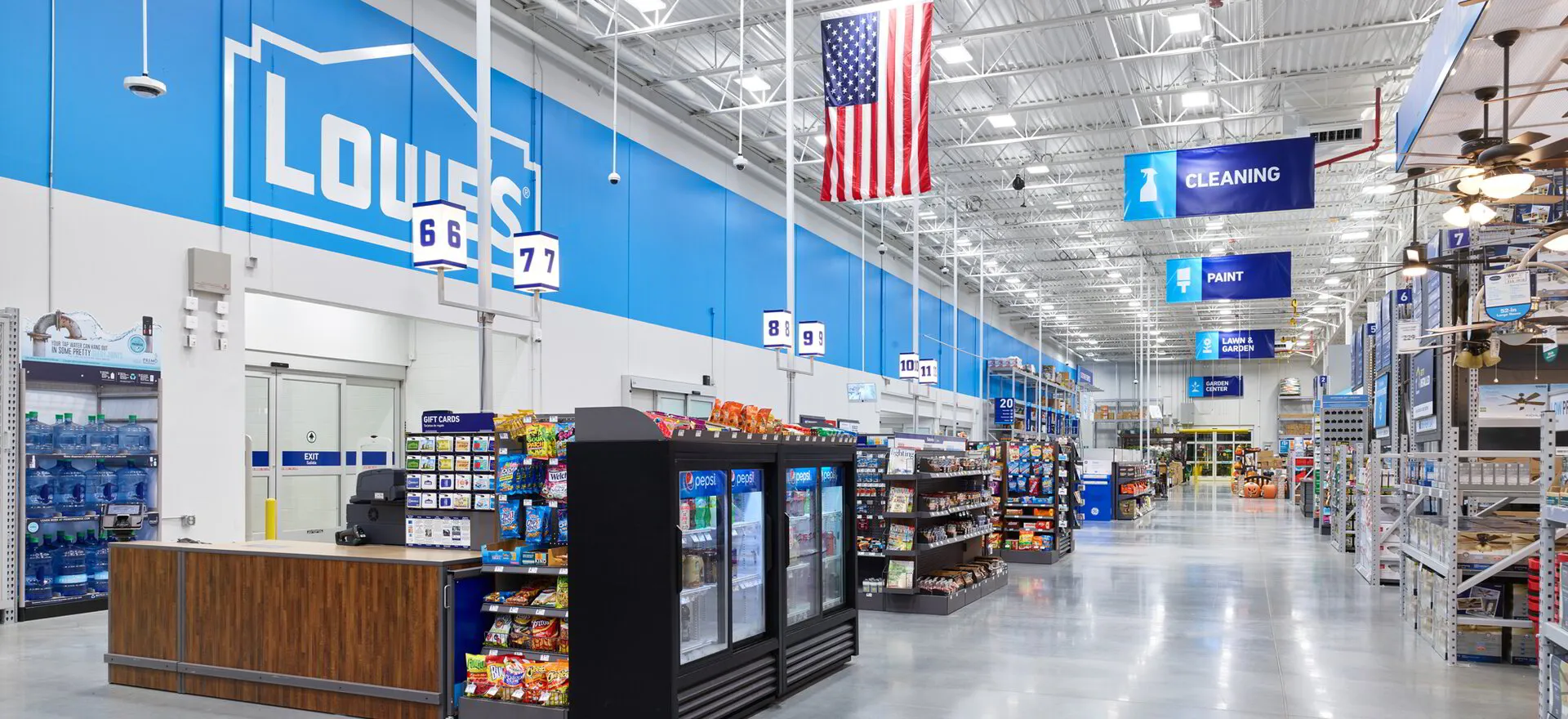
effective and professional-quality repairs on your own. For a wide range of drywall supplies,
consider checking out the offerings from Lowe's.
Conclusion
By using the right materials and tools, homeowners can implement cost-effective solutions for
drywall repairs that not only save money but also promote better results. Being prepared with
the appropriate resources will help you tackle any drywall challenge with confidence and
efficiency.
Understanding Drywall Damage
Drywall damage can manifest in various forms, and recognizing these issues early is essential
for effective repairs. Understanding the types of damage will help you determine the appropriate
cost-effective solutions for drywall repairs.
Common Causes of Drywall Damage
Several factors contribute to drywall deterioration. Identifying the root cause is crucial to
implementing the right repair strategy:
- Water Damage: This is often the most severe type of drywall issue, occurring due to
leaks, flooding, or high humidity levels. Signs include discoloration, sagging, or mold
growth.
- Physical Impact: Furniture, sports equipment, or simply regular wear and tear can lead
to dents, scratches, or holes in your drywall.
- Temperature Fluctuations: Changes in temperature can cause drywall to expand and
contract, which may result in cracks, particularly in older homes.
Types of Drywall Issues
After identifying the cause, it's important to determine the type of drywall damage for proper
repairs. Common issues include:
- Small Holes: Often caused by nails or general wear; these are generally easy to fix with
spackling compound.
- Larger Holes: Incidents like doorknob damage or accident-related holes require a patch
kit or replacement section.
- Cracks: Can occur due to settling, moisture, or temperature changes. These often require
joint compound and careful repainting.
- Water Stains: Stains from leaks or high humidity can lead to more severe damage if not
addressed promptly.
Conclusion
By understanding the causes and types of drywall damage, homeowners can make informed
decisions on repairs. This knowledge is vital for implementing cost-effective solutions for drywall
repairs that not only address existing issues but also prevent future problems. For further
insights on drywall maintenance and effective repairs, consider checking resources from
Importance of Timely Repairs
Addressing drywall damage promptly can save homeowners both time and money in the long
run. Ignoring minor issues can lead to more significant problems, which might require costly
repairs. Understanding the importance of timely repairs plays a critical role in maintaining the
quality of your home.
Risks of Delaying Repairs
Neglecting drywall damage can result in various negative consequences, including:
- Increased Repair Costs: Minor issues can escalate into major repairs if left untreated,
leading to significant costs.
- Mold and Mildew Growth: Water damage can quickly lead to mold proliferation, posing
health risks and necessitating more comprehensive remediation.
- Structural Damage: Ignoring cracks or persistent water stains might progress to
compromise structural integrity, requiring extensive work.
Benefits of Prompt Action
Acting quickly on drywall issues offers numerous advantages:
- Cost Savings: Timely repairs can prevent minor issues from becoming major
expenditures, keeping your budget in check.
- Maintenance of Property Value: Well-maintained homes retain their value better than
those with visible damage, making prompt repairs a smart investment.
- Enhanced Aesthetics: Addressing damage leads to a more polished appearance,
improving the overall feel of your living space.
Conclusion
Recognizing the importance of timely repairs for drywall damage cannot be overstated. By
addressing issues quickly, homeowners can implement cost-effective solutions for drywall
repairs that prevent further complications and safeguard their home’s integrity. For more
information on drywall care and timely maintenance tips, consider checking out Home
Improvement Retailers Association.
What are the most common types of drywall damage?
The most common types of drywall damage include small holes from nails or minor impacts,
larger holes from accidents, cracks due to settling or moisture, and water stains from leaks.
Identifying the type of damage can help determine the best repair method.
Can I repair drywall myself, or should I hire a professional?
Many minor drywall repairs, such as patching small holes and repairing cracks, can be done
DIY with proper materials and tools. However, if the damage is extensive or involves structural
issues, hiring a professional is often the best choice to ensure quality repairs.
How can I prevent drywall damage?
Preventing drywall damage involves regular inspections for cracks and moisture, maintaining
proper ventilation to control humidity, and using dehumidifiers in at-risk areas like basements.
Addressing issues early can help avoid costly repairs down the line.
What materials and tools do I need for drywall repairs?
For effective drywall repairs, essential materials include joint compound, drywall tape, and
primer/paint. Key tools include a utility knife, taping knife, sanding sponge, and drywall saw.
Having these on hand will make your repairs smoother and more efficient.
How much should I expect to spend on drywall repairs?
The cost of drywall repairs can vary widely depending on the severity of the damage and
whether you choose to DIY or hire a professional. Minor repairs can cost between $10 to $50 in
materials, while professional repairs might range from $50 to $100 per hour, or more for
extensive damage.
Related Articles
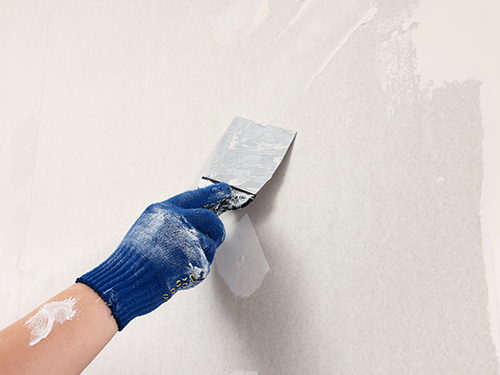
Ultimate Guide: How To Repair Textured Walls Like A Pro
Ultimate Guide: How to Repair Textured Walls Like a Pro Textured walls have become a defining feature in countless homes across Southeastern Michigan,…
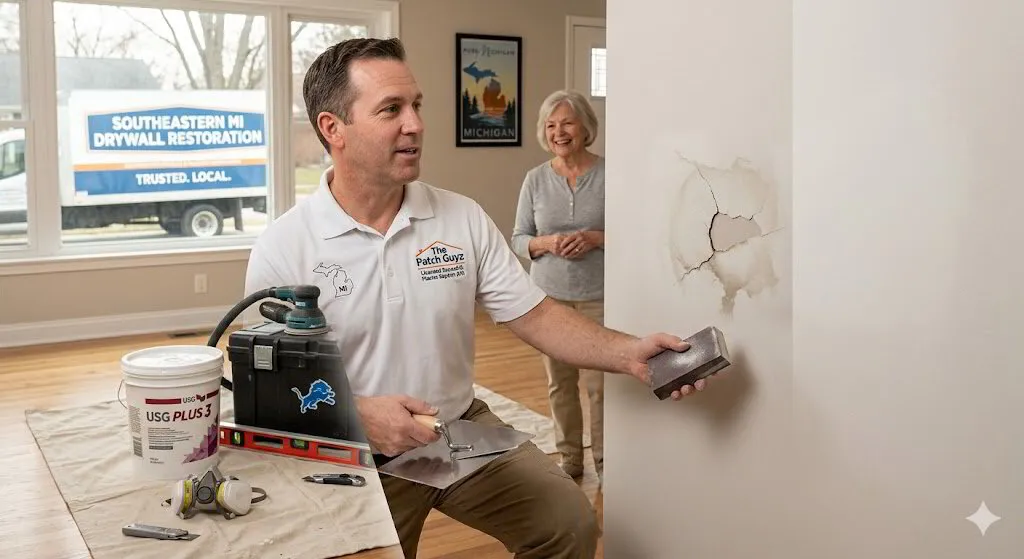
The Ultimate Guide to Finding the Best Drywall Repair Services Near You
Finding the Best Drywall Repair Services Near You: A Comprehensive Guide When damage strikes your walls or ceilings, finding reliable repair services …
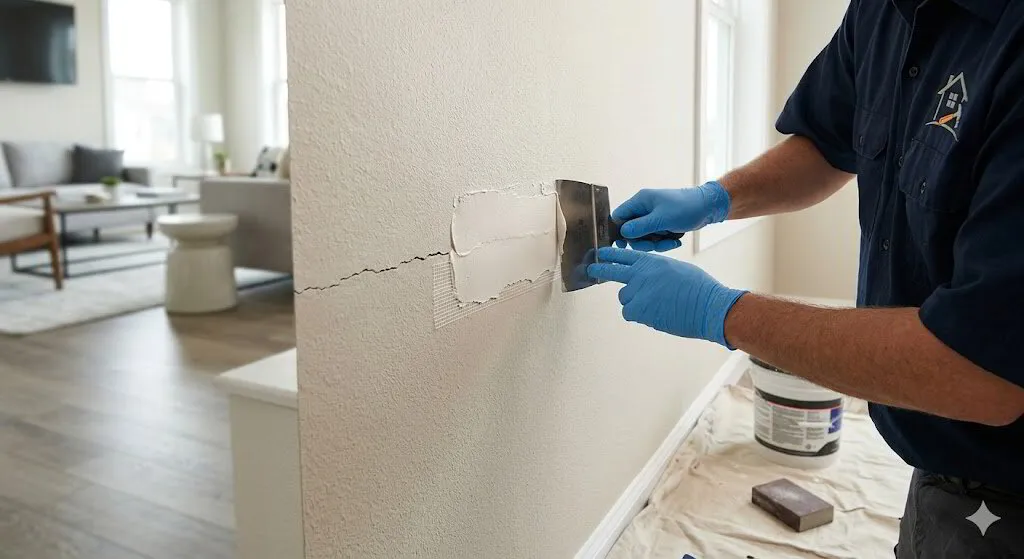
Flawless Walls: The Complete Guide to Professional Drywall Crack Repair
Expert Guide to Professional Drywall Crack Repair Services Discovering cracks in your drywall can be frustrating, whether you're a homeowner dealing w…