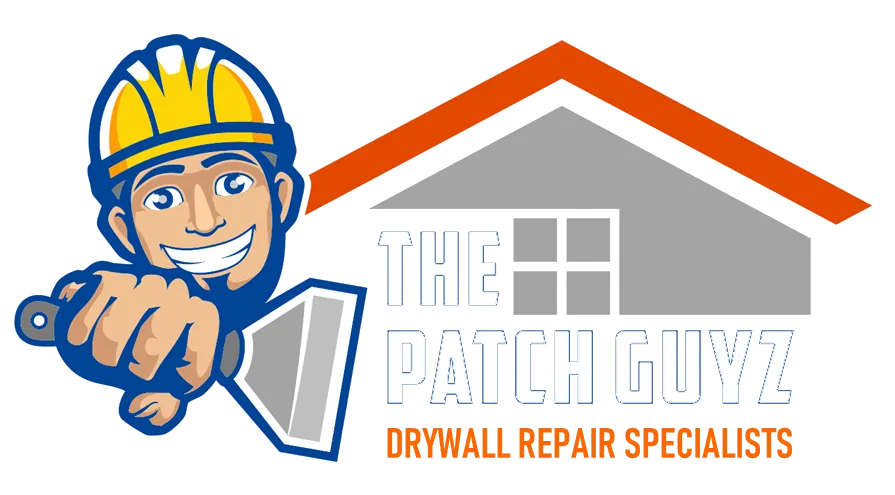
Top 5 Cost Effective Solutions for Drywall Repairs
The Patch Guyz
Understanding the Scope of Drywall Damage
Identifying Common Drywall Issues
Assessing the Extent of Damage
Drywall damage can manifest in various forms, including:
- Hairline cracks
- Small holes
- Water stains
- Peeling paint or tape
Before embarking on any repairs, it is crucial to:
- Thoroughly inspect the damaged area
- Determine the underlying cause of the damage
- Evaluate whether a simple patch-up or a more extensive repair is needed
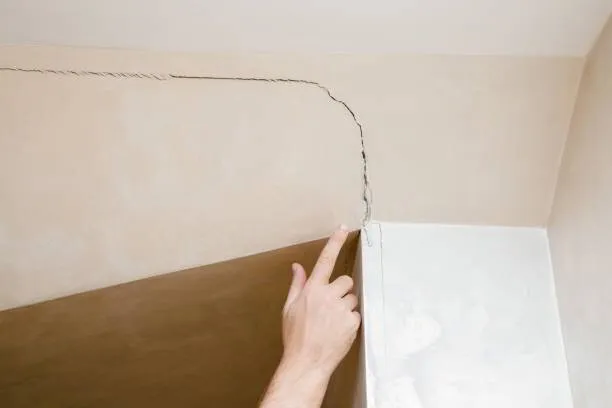
Understanding the scope of the drywall damage ensures that you choose the most suitable and cost-effective solutions for your specific repair needs. For a detailed guide on identifying different types of drywall damage, check out this informative article from Home Depot.
DIY Patching Techniques for Small Damages
Using Spackling Compound for Hairline Cracks
Small hairline cracks in drywall can often be easily repaired using spackling compound. Here's how to do it:
1. Clean the damaged area with a dry cloth to remove any dust or debris.
2. Apply a small amount of spackling compound to the crack using a putty knife.
3. Smooth out the excess compound and let it dry completely.
4. Sand the area lightly for a seamless finish.
Applying Drywall Tape for Minor Holes
For minor holes in drywall, using drywall tape can provide a sturdy and long-lasting repair. Follow these steps:
- Clean the area around the hole to ensure proper adhesion.
- Apply a thin layer of joint compound over the hole.
- Place drywall tape over the compound and press it gently into place.
- Cover the tape with another layer of compound, feathering the edges.
- Once dry, sand the area for a smooth surface ready for painting.
By utilizing these DIY patching techniques for small damages, you can effectively address minor issues in your drywall in a cost-effective manner.
Cost-Effective Materials for Professional-Looking Repairs
Utilizing Joint Compound for Seamless Finishes
When it comes to achieving professional-looking repairs, joint compound is a versatile and cost-effective option. Here's how to use it effectively:
- Choose a high-quality joint compound suitable for your repair needs.
- Apply the compound with a trowel, ensuring even coverage over the damaged area.
- Feather the edges of the compound to blend it seamlessly with the existing drywall.
- Allow the compound to dry completely before sanding and painting for a flawless finish.
Opting for Self-Adhesive Patch Kits
Self-adhesive patch kits are convenient and budget-friendly solutions for small to medium-sized repairs. Follow these steps for using self-adhesive patch kits:
- Clean the damaged area and remove any loose debris.
- Peel off the backing of the adhesive patch and apply it over the damaged area.
- Press the patch firmly to ensure proper adhesion.
- Finish by applying a thin layer of joint compound over the patch for a smooth surface.
By choosing cost-effective materials like joint compound and self-adhesive patch kits, you can achieve professional results without breaking the bank.
Efficient Tools for Quick and Easy Fixes
Essential Tools for Basic Drywall Repairs
Having the right tools is essential for efficient and effective drywall repairs. Here are some must-have tools for basic repairs:
Putty knife: For applying compounds and smoothing surfaces.
Sandpaper: To smooth out rough edges and surfaces.
Drywall saw: For precise cutting and shaping of drywall patches.
Paintbrushes or rollers: For applying paint to the repaired area.
Drywall tape measure: To ensure accurate measurements for cutting patches.
Investing in a Quality Drywall Knife
A quality drywall knife can make all the difference in achieving smooth and professional repairs. Consider investing in a high-quality drywall knife with the following features:
- Sharp blade for clean cuts and precise application of compounds.
- Comfortable grip for extended use without hand fatigue.
- Various sizes to accommodate different repair needs.
- Durable construction for long-term usage.
By having the essential tools and investing in a quality drywall knife, you can simplify the repair process and achieve excellent results in a cost-effective manner.
Preventive Measures to Avoid Future Repairs
Addressing Moisture Issues to Prevent Mold Growth
Moisture is a common culprit for drywall damage and mold growth. Consider these preventive measures to keep your drywall in top condition:
- Fix any leaks promptly to prevent water damage.
- Install proper ventilation in areas prone to moisture buildup, such as bathrooms and kitchens.
- Use mold-resistant paint or primers to protect your walls from mold growth.
Installing Corner Guards for High-Traffic Areas
High-traffic areas in your home are susceptible to wear and tear on the drywall corners. Installing corner guards can provide added protection and prolong the life of your drywall. Here's how to install corner guards:
1. Measure and cut the corner guard to fit the height of the wall corner.
2. Attach the corner guard using adhesive or screws, ensuring a secure fit.
3. Paint or finish the corner guard to match the existing wall color for a seamless look.
By taking preventive measures such as addressing moisture issues and installing corner guards, you can minimize the need for future costly repairs and maintain the integrity of your drywall.
FAQ
What are some common causes of drywall damage?
Drywall damage can occur due to various factors such as water leaks, impact from furniture or fixtures, settling of the building, or humidity fluctuations.
Can I tackle drywall repairs on my own, or should I hire a professional?
Minor drywall repairs like small holes or hairline cracks can often be DIY projects with the right tools and materials. However, for extensive damage or structural issues, it is advisable to consult a professional.
How can I ensure a seamless finish when repairing drywall?
Achieving a seamless finish involves proper preparation, application of materials like joint compound or spackling, sanding, and careful blending with the existing drywall surface.
Are there cost-effective alternatives to traditional drywall repair materials?
Yes, options like self-adhesive patch kits, joint compound, and DIY repair techniques can offer budget friendly solutions for small to medium drywall repairs.
What preventive measures can I take to avoid future drywall damage?
To prevent future drywall damage, address moisture issues promptly, install proper ventilation, use corner guards in high-traffic areas, and perform regular maintenance checks on your drywall.
Related Articles
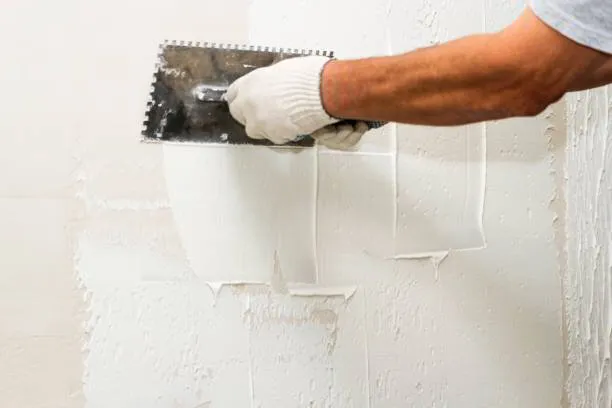
Expert quick turnaround for drywall repair projects in Detroit
Are you facing a sudden drywall issue that requires immediate attention? When it comes to quick turnaround drywall repair projects, time is of the ess…
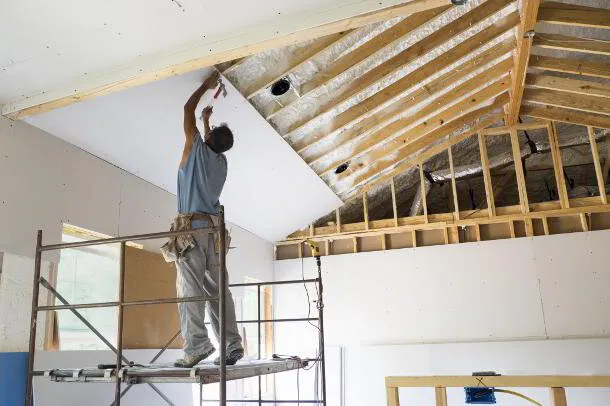
Comparing drywall repair costs in detroit a comprehensive guide
Picture this: you're faced with a damaged wall in your Detroit home, and now comes the task of comparing drywall repair costs in Detroit. How do you n…
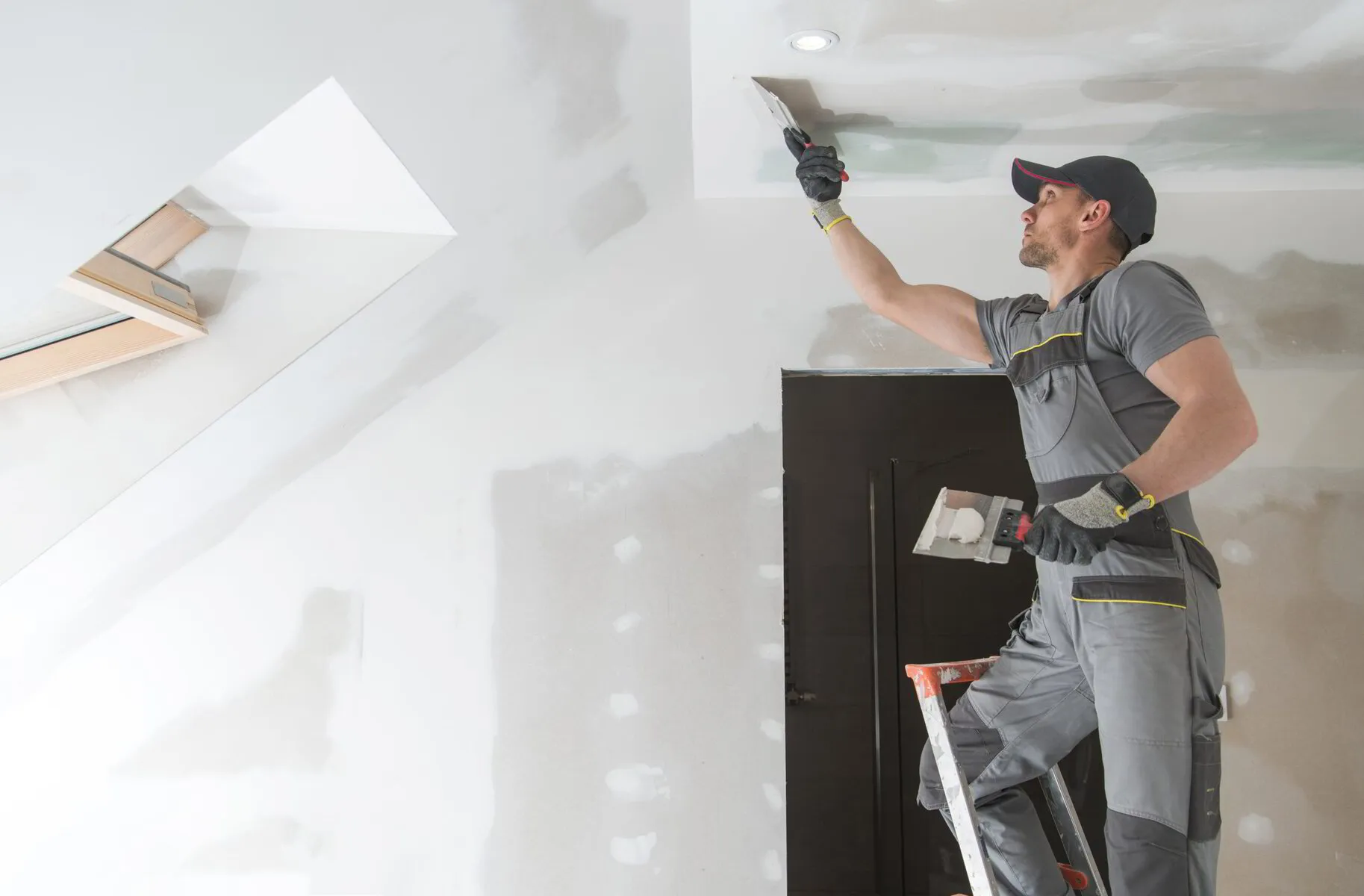
5 Cost Effective Solutions for Drywall Repairs
How to Identify Cost-Effective Solutions for Drywall Repairs Understanding the Scope of the Repair When facing drywall issues, it's crucial to first a…