Essential Guide to Drywall Tear out Services

A drywall tear out is often a necessary step in home renovation and repair, yet many
homeowners are unaware of its importance until faced with signs of damage. Did you know
that neglecting water-stained or moldy drywall can lead to more severe issues, such as
structural damage or health risks? Whether it's due to a leaky roof, plumbing issues, or the
harmful effects of mold, knowing when to perform a drywall tear out is crucial for maintaining a
safe and comfortable living environment. In this essential guide, we will explore the key aspects
of drywall tear out services, from identifying the signs that indicate the need for removal to
understanding the processes involved in ensuring your home remains in top condition.
Understanding Drywall Tear Out
What is Drywall Tear Out?
Drywall tear out is the process of removing existing drywall from walls or ceilings, typically due
to damage, mold, or structural issues. This procedure is often necessary when repairs cannot
be made effectively or when the drywall has become a safety hazard. A successful drywall tear
out ensures that the space can be properly assessed for repair or replacement.
Why is Drywall Tear Out Necessary?
There are several reasons homeowners and contractors may need to perform a drywall tear out:
- Water Damage: Excess moisture can lead to extensive damage and the growth of mold,
which poses health risks.
- Mold and Mildew: Unchecked mold growth can spread rapidly, making it vital to remove
affected drywall promptly.
- Cracks and Structural Issues: Deep cracks or sagging can compromise the integrity of
your walls and ceilings, indicating a need for tear out.
Signs You Need a Drywall Tear Out
Water Damage Indicators
One of the most common triggers for a drywall tear out is water damage. Signs to watch for
include:
- Discoloration of the drywall
- Bubbling or peeling paint
- Soft or sagging areas on walls
Mold and Mildew Concerns
If you notice a musty odor or visible mold growth on or around your drywall, it’s a strong indicator
that a tear out is necessary. Mold can lead to serious health concerns and further damage to the
structure of your home.
Cracks and Structural Issues
Cracks in drywall can signal deeper problems. If you see large or growing cracks, or if you
notice bulging or bowing in the walls, it’s time to consider a drywall tear out.
The Process of Drywall Tear Out
Initial Assessment and Planning
Before beginning the drywall tear out, a thorough assessment of the area is crucial. This
includes identifying the extent of damage and determining what needs to be removed. Making
a detailed plan will help streamline the process.
Safety Precautions and Setup
Safety should always be a priority. Here are key safety measures to take:
- Wear protective gear, including gloves, goggles, and masks.
- Ensure proper ventilation to avoid inhaling dust particles.
- Turn off electricity in the area to prevent accidents.
Step-by-Step Drywall Tear Out Procedure
- Prepare the Area: Remove furniture and cover the floors.
- Cut the Drywall: Use a utility knife to score and cut the drywall carefully.
- Remove the Drywall Sheets: Pry the pieces away from the studs.
- Debris Cleanup: Gather and dispose of all debris responsibly.
For a visual guide on drywall removal, you may refer to Home Depot's how-to guide.
Tools and Materials Required for Drywall
Tear Out
Essential Hand Tools
Having the right tools makes the drywall tear out process easier and safer. Essential tools
include:
- Utility knife
- Pry bar
- Screwdriver
- Hammer
Protective Gear
Always prioritize safety with these essential protective items:
- Safety goggles
- Dust mask
- Gloves
Disposal and Cleanup Supplies
Post-tear out, ensure you have the following:
- Trash bags for debris
- A vacuum for dust clean-up
- Broom and dustpan
When to Hire Professionals for Drywall
Tear Out
Benefits of Professional Services
While some homeowners attempt drywall tear out themselves, hiring professionals offers
numerous advantages:
- Expertise in assessing and repairing underlying issues
- Proper disposal of hazardous materials like moldy drywall
- Time-saving and efficiency in completing the task safely
DIY vs. Professional: Weighing the Risks
Assess your ability to handle the task realistically. If the damage is extensive or if you feel
unsure about the process, calling in a professional service can save you from costly mistakes.
Cost Factors of Drywall Tear Out Services
Average Pricing in the Detroit Area
The cost of a drywall tear out can significantly vary based on several factors, including the extent
of damage and location. In the Detroit area, average prices range from $500 to $1,500,
depending on the scope of the project.
Factors that Influence Cost
Be aware of several factors that can influence the final cost:
- Size of the area affected
- Type of drywall being removed
- Accessibility of the space
Budgeting for Drywall Repair After Tear Out
Don’t forget to factor in the cost of drywall repair or replacement after the tear out. Being
financially prepared will help ensure a smoother process and better results.
Conclusion: The Importance of Timely
Drywall Tear Out
Protecting Your Home from Further Damage
Addressing drywall issues promptly can prevent more extensive damage and higher repair
costs. Ignoring the signs of damage only leads to greater problems down the line.
Ensuring Proper Repair and Installation Afterwards
By prioritizing a proper drywall tear out, you set the stage for effective repairs and installations,
ensuring a safe and aesthetically pleasing environment in your home.
The Process of Drywall Tear Out
Initial Assessment and Planning
Before embarking on a drywall tear out, it is crucial to conduct a thorough assessment. This
step lays the foundation for a safe and efficient process. Consider the following:
- Identify Damage: Examine the extent of the damage to determine practically how much
drywall needs to be removed.
- Document Findings: Take photographs or notes to keep track of the affected areas for
future reference.
- Plan for Repairs: Assess what repairs or replacements will be needed after the tear out.
Safety Precautions and Setup
Ensuring safety is paramount when performing a drywall tear out. Here are essential
precautionary steps:
- Personal Protective Equipment (PPE): Always wear safety goggles, gloves, and a dust
mask to protect yourself from debris and dust particles.
- Ventilation: Proper ventilation is essential. Open windows or use fans to ensure
adequate airflow in the workspace.
- Electrical Safety: Turn off power in the area to avoid electrocution risks, particularly if
you’re working around light fixtures or outlets.
Step-by-Step Drywall Tear Out Procedure
To effectively carry out a drywall tear out, follow these systematic steps:
1. Prepare the Area
○ Remove furniture and cover the floors with drop cloths to protect them from
dust and debris.
2. Cut the Drywall
○ Use a utility knife to score the drywall along the marked lines to create clean cuts.
Make sure to cut through the paper backing.
3. Remove the Drywall Sheets
○ Use a pry bar or hammer to gently pull the scored drywall away from the studs. If
nails are present, remove them carefully to avoid damaging surrounding materials.
4. Dispose of the Debris
○ Gather all removed drywall pieces and other debris, placing them in contractor bags
for proper disposal. Follow local regulations for disposing of construction waste.
For visual guidance on drywall tear out techniques, you can visit Lowe's instructional page.
Tools and Materials Required for
Drywall Tear Out
Essential Hand Tools
Having the right tools on hand simplifies the drywall tear out process. Essential tools include:
- Utility Knife: For cutting drywall sheets cleanly.
- Pry Bar: To help pull drywall away from the framing.
- Screwdriver: For removing any screws securing the drywall.
- Hammer: To drive in or pull out nails.
Protective Gear
Safety should never be compromised. Equip yourself with:
- Safety Goggles: To protect your eyes from dust and debris.
- Dust Mask: To avoid inhalation of harmful particles.
- Gloves: To protect your hands from sharp edges and debris.
Disposal and Cleanup Supplies
Post-removal cleanup ensures a smooth transition to the next step. Have these supplies ready:
- Trash Bags: For disposing of drywall and debris.
- Vacuum: A shop vac is ideal for cleaning up dust.
- Broom and Dustpan: For quick cleanup of larger debris.
When to Hire Professionals for
Drywall Tear Out
Benefits of Professional Services
While many homeowners may consider taking on a drywall tear out, hiring professionals
offers several advantages:
- Expertise: Professionals understand the complexities involved and can ensure that
the process is handled safely and efficiently.
- Hazard Management: Professionals manage hazardous materials, like mold, with
expertise, keeping your home safe.
- Time Savings: A professional service can expedite the process, allowing for quicker
repairs and less disruption.
DIY vs. Professional: Weighing the Risks
Before deciding to tackle a drywall tear out on your own, ask yourself:
- How extensive is the damage?
- Do you have the necessary tools and experience?
- Are there potential health hazards present, such as mold?
If any of these factors raise concerns, it may be wise to bring in a professional service to
ensure the job is done right.
Cost Factors of Drywall Tear Out Services
Average Pricing in the Detroit Area
Costs associated with drywall tear out can vary widely, often ranging from $500 to $1,500
based on the severity of the damage and size of the area. Understanding the components that
affect pricing can help you budget more effectively.
Factors that Influence Cost
A few key factors that can impact your overall expense include:
- Extent of Damage: More extensive damage usually requires more labor and materials.
- Type of Drywall: Certain drywall types may need specialized handling or disposal.
- Accessibility: If the area is hard to reach, labor costs may increase.
Budgeting for Drywall Repair After Tear Out
Always set aside a budget for repairs following a drywall tear out. Preparing for any necessary
installation or replacements afterward will help maintain the structure and aesthetics of your
home.
Cost Factors of Drywall Tear Out Services
Average Pricing in the Detroit Area
When considering a drywall tear out, it's important to understand the cost implications. In the
Detroit area, the pricing for drywall tear out services can typically range from:
- $500 to $1,500 for average residential jobs
- Higher costs for larger areas or extensive damage
This price variation accounts for factors such as project size, accessibility, and the condition
of the surrounding structures.
Factors that Influence Cost
Several specific factors can affect the overall cost of drywall tear out services:
- Extent of Damage: More extensive or complicated damage often requires additional
labor and materials, increasing costs.
- Size of the Area: Larger spaces will naturally necessitate more time and resources,
impacting the total price.
- Type of Drywall: Different drywall types may have various handling and disposal
requirements, influencing the cost.
- Accessibility of the Space: If the damaged area is difficult to access—such as in tight
corners or upper floors—it may require specialized equipment or more skilled labor,
adding to the overall expense.
Budgeting for Drywall Repair After Tear Out
Once the drywall tear out is complete, it’s essential to plan for the subsequent repair work.
Proper budgeting will help ensure that the repair process goes smoothly. Here are a few tips
for budgeting:
- Determine Repair Needs: Assess the condition of the framing and whether new drywall
needs to be installed.
- Get Multiple Quotes: Request quotes from several contractors to gauge an accurate
estimate for repairs.
- Consider Material Costs: Factor in the costs for new drywall, finishing materials, and any
paint required post-installation.
For more detailed information on home improvement cost estimates, you can visit
HomeAdvisor's pricing guide.
By understanding the cost factors involved in a drywall tear out, homeowners can make informed
decisions and avoid financial surprises during the repair process.
Conclusion: The Importance of Timely
Drywall Tear Out
Protecting Your Home from Further Damage
Addressing drywall issues promptly is essential for any homeowner. If you notice signs of
damage, such as water stains, mold growth, or structural cracks, a drywall tear out may be
necessary. Ignoring these issues can lead to:
- Increased Repair Costs: What might start as a small problem can escalate into
significant expenses if left untreated.
- Health Risks: Mold and moisture can lead to health issues, particularly for sensitive
individuals or those with respiratory conditions.
- Structural Integrity: Damaged drywall can compromise the overall stability of your walls,
potentially leading to larger repairs down the line.
Ensuring Proper Repair and Installation Afterwards
Once the drywall tear out is completed, it's crucial to ensure that repair and installation
processes are handled correctly. This includes:
- Using Quality Materials: Invest in high-quality drywall and finishing materials to achieve
a durable and long-lasting repair.
- Engaging Skilled Professionals: Hiring experienced contractors for installation can
ensure that your new drywall is properly hung and finished, providing a seamless
appearance.
- Adequate Post-Removal Inspection: Before moving on to new installations, having a
professional inspection can confirm that all issues, such as mold or structural problems,
have been resolved.
Understanding the importance of a timely drywall tear out not only facilitates a safe living
environment but also promotes long-term sustainability in home repairs. By taking proactive
measures, homeowners in the Detroit area can protect their investments and enhance their
living spaces.
For more insights into home repair and maintenance, consider checking out Angie's List.
Signs You Need a Drywall Tear Out
Water Damage Indicators
Recognizing the early signs of water damage is crucial for preventing extensive issues in your
home. If you notice any of the following indicators, it may be time to consider a drywall tear out:
- Discoloration: Yellow, brown, or dark patches on your drywall can indicate moisture
intrusion.
- Bubbling or Peeling Paint: This often suggests that water has infiltrated the drywall
material.
- Soft or Sagging Areas: Pressing lightly on your drywall should yield a firm surface. Any
softness can indicate internal damage.
Mold and Mildew Concerns
Mold thrives in damp environments and can spread rapidly. Watch for these telltale signs of mold:
- Visible Mold Growth: Black or green spots may appear on the surface of the drywall.
- Musty Odor: A strong, earthy smell often accompanies mold presence and indicates
dampness.
- Respiratory Issues: If you or your family members start experiencing unexplained a
llergies or respiratory problems, it may be due to hidden mold behind the drywall.
Cracks and Structural Issues
Cracks in your drywall can signal potential underlying issues that require immediate attention.
Look for:
- Large or Growing Cracks: Monitor cracks for size and growth; if they widen, it could
indicate other structural problems.
- Bowing or Bulging Walls: If sections of the wall appear to be bending outward, it could
compromise the structural integrity, suggesting a necessity for a drywall tear out.
Promptly recognizing these signs will not only help preserve your home's integrity but also
ensure a safe living environment. If you suspect that you need a drywall tear out, consulting a
professional can give you clarity on the situation and guide you through the corrective steps.
For additional information on home safety and maintenance, consider visiting The Home Depot's
resources.
The Importance of Hiring Professionals
for Drywall Tear Out
Benefits of Professional Services
When faced with the need for a drywall tear out, many homeowners contemplate whether to
take on the job themselves or hire professionals. Here are several compelling reasons to opt for
professional services:
- Expert Assessments: Professionals can accurately assess the extent of the damage and
determine if a complete tear out is necessary, helping to avoid costly mistakes.
- Safety Protocols: Experienced contractors are trained to handle hazardous materials,
such as moldy drywall, safely and effectively.
- Efficiency and Speed: Professionals can complete the tear-out process much faster than
most DIY attempts, minimizing disruption to your home life.
Quality of Results
Another significant advantage of hiring experts is the quality of their work. Key points include:
- Proper Tools and Techniques: Professionals have access to specialized tools and
techniques, ensuring that the drywall is removed cleanly and without additional
damage to surrounding structures.
- Thorough Cleanup: After a drywall tear out, professionals also manage the cleanup
and disposal of debris, leaving the space tidy and ready for the next steps.
When to DIY vs. When to Call in the Experts
While some homeowners might feel comfortable managing minor drywall issues themselves,
certain situations warrant professional intervention. Consider:
- Extent of Damage: If the damage is widespread or involves areas like plumbing or
electrical systems, hire a professional.
- Mold Concerns: If mold is present or suspected, it’s best to engage specialists trained
in hazardous material handling.
- Lack of Experience: If you're unsure about your own abilities or the scope of the project,
hiring a professional can prevent costly errors.
In conclusion, the expertise and quality of professional drywall tear out services can save you
time, stress, and money in the long run. For reference, you can explore more about professional
home improvement services at Angie's List.
Tools and Materials Required for
Drywall Tear Out
Essential Hand Tools
Equipping yourself with the right tools makes the drywall tear out process smoother and more
efficient. Below is a list of essential tools you will need:
- Utility Knife: For scoring and cutting the drywall easily.
- Drywall Saw: A specifically designed saw helps with making detailed cuts.
- Pry Bar: This tool is useful for removing drywall sheets from the framing.
- Screwdriver: Both a Phillips and flathead screwdriver will be necessary for removing
screws.
Protective Gear
Safety should always come first when tackling a drywall tear out. Make sure to have the
following protective gear on hand:
- Safety Goggles: Protect your eyes from dust and debris during the tear-out process.
- Dust Mask or Respirator: To prevent inhaling harmful dust particles, especially if mold is
present.
- Work Gloves: Heavy-duty gloves can protect your hands from sharp edges and splinters.
Disposal and Cleanup Supplies
After the drywall is removed, cleanup and disposal of debris are crucial. Prepare with these
supplies:
- Heavy-Duty Trash Bags: To collect and dispose of the removed drywall pieces.
- Vacuum Cleaner or Shop Vac: Ideal for cleaning up fine dust and debris left behind.
- Broom and Dustpan: For quickly sweeping up larger debris that may fall during the
process.
Preparing these tools and materials ahead of time ensures that your drywall tear out progresses
without unnecessary delays. If you're unsure about any aspect of the tear out, consider
consulting with professionals to receive guidance tailored to your specific situation. For more
general home improvement tools and supplies, you can visit The Home Depot.
What causes the need for a drywall tear out?
A drywall tear out is typically needed due to various issues, including water damage from leaks,
mold growth, pest infestations, or cracks resulting from structural problems. Recognizing these
issues early can prevent them from worsening and leading to more extensive repairs.
How long does a drywall tear out take?
The duration of a drywall tear out can vary based on the extent of the damage and the size of
the area being worked on. Generally, a small to medium-sized job can be completed within a
few hours to one day, while larger projects may take several days.
Can I do a drywall tear out myself?
While some homeowners may feel comfortable tackling a drywall tear out as a DIY project, it’s
essential to consider factors such as safety, the extent of the damage, and the potential for
hazardous materials like mold. If you're unsure or if the damage is extensive, hiring
professionals may be a better option.
How much does a drywall tear out cost?
The cost of a drywall tear out can range from $500 to $1,500, depending on the size of the
area and the severity of the damage. Additional factors, such as the type of drywall and
accessibility of the space, can also influence the final price.
What should I do after a drywall tear out?
After a drywall tear out, it's crucial to assess the underlying structures for damage, clean the
area thoroughly, and prepare for new drywall installation. It's advisable to consult with
professionals to ensure that repairs and installations are performed correctly for lasting results.
Complete Drywall Tear-Out Solutions
with The Patch Guyz
When it’s time to replace old, damaged, or outdated drywall, The Patch Guyz offers professional
drywall tear-out services that make the process quick and hassle-free. Our essential guide helps
you understand the steps involved in the tear-out process, from safely removing the drywall to
preparing the space for new installation. We start by carefully assessing the area to ensure we
remove only what’s necessary, minimizing waste and ensuring a clean job. Our team handles the
heavy lifting, so you don’t have to worry about debris or potential damage to your property.
Whether you're renovating a room or dealing with water damage, The Patch Guyz guarantees a
smooth, efficient tear-out service, setting the stage for a seamless drywall replacement.

Related Articles
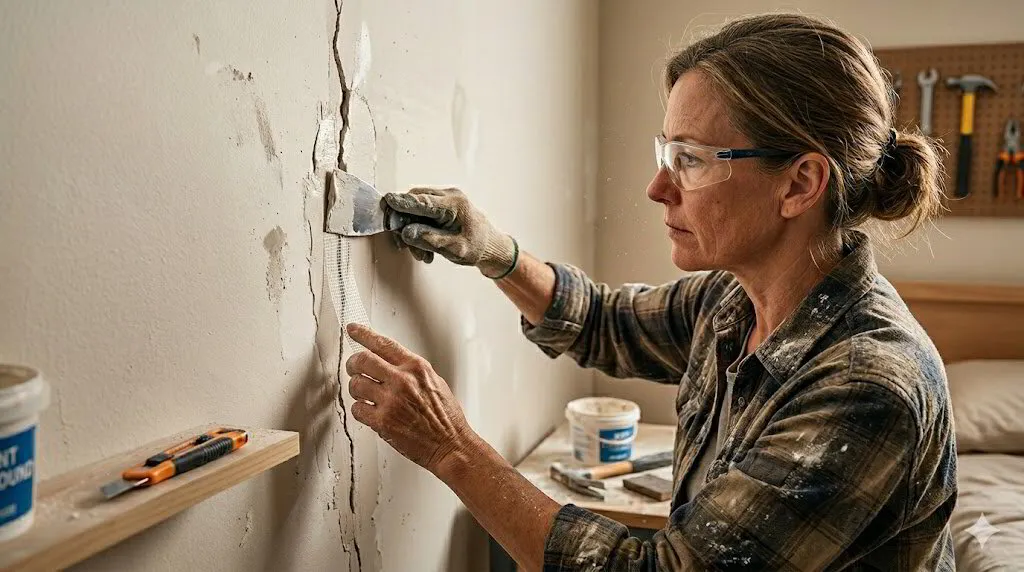
DIY Guide: How to Repair Drywall Cracks Like a Pro
Drywall cracks are an inevitable part of homeownership that can transform pristine walls into unsightly reminders of settling foundations, temperature…
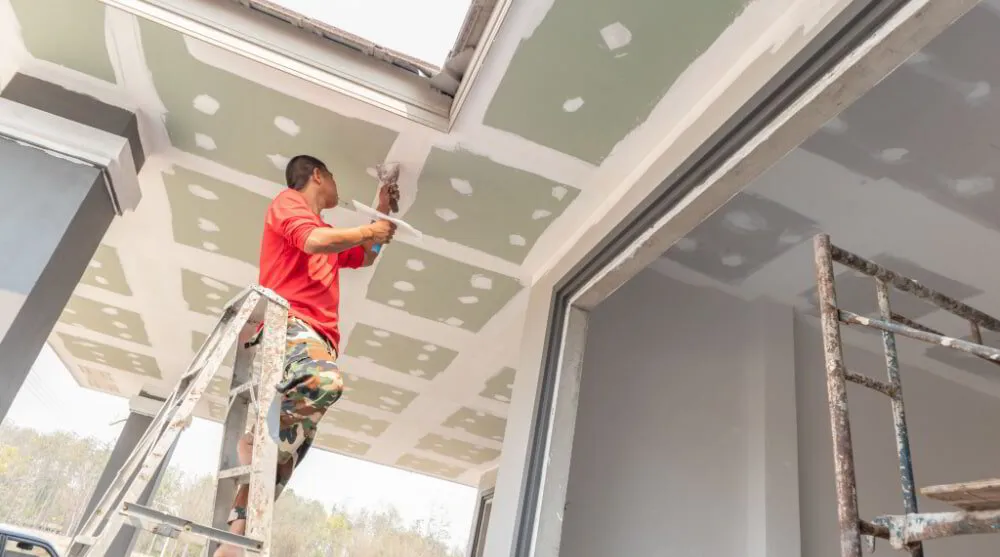
Expert Drywall Repair And Installation In Southeast Michigan
If you're a homeowner in Southeast Michigan, you know that maintaining your property is essential, and drywall repair and installation in Southeast Mi…
Specialized Drywall Tear out and Replacement Services
Specialized drywall tear out and replacement is a crucial service for homeowners facing issues like water damage, mold, or aging materials. Did you kn…