Cost Effective Solutions For Drywall Repairs (2)
Cost-effective solutions for drywall repairs are essential for every homeowner looking to
maintain the beauty and value of their property. Did you know that minor drywall damage, if left
unaddressed, can lead to significant long-term costs? Whether it's due to water leaks, everyday
wear and tear, or accidental bumps, drywall issues can arise unexpectedly and might seem
daunting to fix. However, understanding the signs of damage and knowing your repair options
can empower you to tackle these problems efficiently. This guide will explore practical solutions
and preventative measures that not only save you money but also ensure your home remains a
safe and attractive environment.
Understanding Drywall Damage
Common Causes of Drywall Issues Drywall can sustain damage from various sources, leading
to the need for repairs. Common causes include:
- Water Damage: Leaks from plumbing or roofs can cause drywall to swell, stain, or
crumble.
- Nail Pops: Over time, nails in the drywall can pop out due to settling of the house.
- Impact Damage: Accidental bumps and knocks can create dents or holes in the drywall
surface.
Signs You Need Drywall Repairs Identifying drywall damage early can help save on costly
repairs down the line. Look out for these signs:
- Visible cracks or holes in the wall.
- Water stains indicating moisture problems.
- Sagging or bulging areas that feel soft to the touch.
Importance of Prompt Repairs
Preventing Further Damage Ignoring damaged drywall can lead to more significant issues,
including mold growth and structural damage. Prompt action can reduce repair costs and
preserve the integrity of your home.
Cost Implications of Delayed Repairs Delaying drywall repairs may result in additional
expenses, such as:
- Increased damage requiring more extensive repair work.
- Potential replacement costs for affected areas like flooring or insulation.
- Higher energy bills due to decreased insulation effectiveness.
Cost-Effective Solutions for Drywall Repairs
DIY vs. Professional Services When considering cost-effective solutions for drywall repairs, it’s
essential to weigh the benefits of DIY projects against professional services:
- DIY:
○ Often lower initial costs
○ Time-consuming and requires skills
○ Suitable for small repairs like patching holes
- Professional Services:
○ Quicker turnaround
○ Expertise ensures a quality finish
○ Ideal for complex repairs or extensive damage
Evaluating Your Repairs To determine whether to tackle the repair yourself or hire a
professional, evaluate the extent of damage. If the repairs are beyond your skill set, seeking
professional help is advisable.
Using Quality Materials for Long-Term Savings Investing in high-quality materials can result in
long-term savings. Quality drywall and sealants can help prevent recurrent issues, saving you
money on future repairs.
Simple DIY Repair Techniques
Patching Small Holes and Cracks For minor damage, use spackling paste or joint compound to
fill holes, followed by sanding and painting for a seamless look.
Repairing Water Damage If you notice water damage, the first step is to identify and fix the
source of the leak. Replace any soaked drywall and ensure proper ventilation to prevent future
moisture issues.
Replacing Damaged Drywall Sections For larger issues, cut out the damaged section of drywall
and replace it with new materials. Ensure that the new section fits properly and is secured
appropriately.
When to Hire a Professional
Assessing Complexity of Repairs If you are unsure about the scope of repairs needed, consider
consulting with a professional. They can provide insights on whether your project is manageable
or requires additional expertise.
Cost-Effective Benefits of Professional Service Hiring professionals may seem like a more
significant upfront expense, but the long-term benefits often outweigh the costs. A well-done
repair by a trusted contractor often lasts longer and requires fewer future interventions.
Choosing the Right Contractor Research local drywall specialists, like The Patch Guyz, who can
provide cost-effective solutions for drywall repairs. Look for:
- Positive customer reviews
- A portfolio of past work
- Transparent pricing structures
For more information on finding qualified contractors, check out HomeAdvisor.
Maintenance Tips to Prevent Future
Repairs
Regular Inspections Schedule periodic checks of your walls for signs of damage. Early detection
can help prevent larger repair needs.
Addressing Water Issues Ensure that any plumbing leaks or roof issues are addressed promptly
to avoid moisture-related damage.
Proper Home Ventilation Maintain adequate airflow in your home to reduce humidity levels and
prevent moisture buildup that can damage drywall.
Conclusion
Summary of Cost-Effective Solutions Understanding the causes of drywall damage and the
importance of timely repairs can help you implement cost-effective solutions for drywall repairs.
Whether opting for DIY repairs for minor issues or hiring professionals for more complex work,
being proactive will save you both time and money.
Encouragement to Take Action on Repairs Don't wait for drywall issues to escalate—address
them promptly to maintain the quality and aesthetics of your home.
Maintenance Tips to Prevent Future Repairs
Regular Inspections One of the most effective methods for ensuring the longevity of your drywall
is through regular inspections. By checking your walls periodically, you can catch small issues
before they develop into major problems. Here are some steps to follow:
- Schedule Routine Checks: Aim to inspect your drywall at least once every six months.
- Look for Signs of Damage: Pay close attention to cracks, bulges, or discoloration, which
could indicate underlying issues.
- Check Areas Prone to Moisture: Kitchens, bathrooms, and basements require extra
scrutiny due to their higher humidity levels.
Addressing Water Issues Water damage is one of the leading causes of drywall degradation. To
mitigate this risk, ensure that you address any water-related issues promptly. Here are some
key actions to consider:
- Fix Leaks Immediately: Repair any plumbing issues to prevent moisture from seeping i
into drywall.
- Install Proper Gutters: Ensure your home's guttering system effectively directs water
away from your foundation to prevent flooding.
- Utilize Dehumidifiers: In high-moisture areas, use dehumidifiers to maintain ideal
humidity levels and minimize the risk of water damage.
Proper Home Ventilation Good ventilation in your home can significantly reduce moisture levels,
thereby preventing drywall damage. Follow these guidelines for optimal air circulation:
- Use Exhaust Fans: Especially in bathrooms and kitchens, exhaust fans help expel humid
air outside.
- Open Windows: Regularly open windows to allow fresh air to circulate and reduce humidity levels.
Install Ventilated Covers: Consider installing ventilated covers for air ducts and
openings to improve airflow throughout your home.
By following these maintenance tips, you can potentially avoid costly repairs and ensure the
durability of your drywall.
Consider looking into various home improvement resources, such as The Home Depot, for
additional tips and products that can help you maintain a moisture-free environment.
In conclusion, implementing preventative measures is a key aspect of discovering cost-effective
solutions for drywall repairs. Being proactive will save you time, money, and effort in the long
run, keeping your home in top shape.
When to Hire a Professional
Assessing Complexity of Repairs Knowing when to hire a professional for drywall repairs is
crucial in ensuring that the task is handled correctly. Here are some factors to consider:
- Damage Size: If the affected area is larger than a few square feet, it may be wise to
consult with a professional to ensure proper installation and finishing.
- Type of Damage: Extensive water damage or structural issues often require specialized
knowledge for effective repairs.
- DIY Skills: If you feel unsure about your skills or have limited experience with home
repairs, hiring a professional can prevent further damage.
Cost-Effective Benefits of Professional Service Hiring skilled professionals may initially seem
costly, but it often proves to be a cost-effective solution in the long run. Consider these
advantages:
- Quality Workmanship: Professionals bring expertise and experience, ensuring that
repairs are completed to a high standard.
- Time Savings: A professional can complete repairs more quickly than the average
homeowner, allowing you to return to normalcy sooner.
- Durability: Proper repairs by experts can reduce the need for future repairs, saving you
money over time.
Choosing the Right Contractor Finding the right contractor for drywall repairs is essential when
seeking cost-effective solutions for drywall repairs. Here are tips to guide you in your search:
- Research Local Experts: Look for contractors with good reviews from local
homeowners. Websites like Angie's List can provide reliable insights.
- Request Quotes: Obtain multiple quotes to compare prices and services. A detailed
estimate will help you understand the scope of the work and associated costs.
- Check Certifications: Ensure the contractor is licensed, insured, and has the necessary
experience with drywall repair.
By carefully assessing the complexity of your drywall repairs and choosing the right
professional, you can save time and money while ensuring quality workmanship. Investing in
expert help when needed is a wise approach to achieving cost-effective solutions for drywall
repairs.
Conclusion
Summary of Cost-Effective Solutions Throughout this article, we’ve explored various aspects of
drywall repair, emphasizing the importance of timely interventions. Identifying the signs of
damage early can save homeowners considerable money. The cost-effective solutions for
drywall repairs range from simple DIY techniques for minor issues to hiring professionals for
more extensive damage.
Key takeaways include:
- Regular inspections to catch problems early.
- Knowing when to tackle a repair yourself versus when to hire a professional.
- Understanding that quality materials and expert repairs can prevent future issues, saving
you money in the long run.
Encouragement to Take Action on Repairs Don't let drywall issues linger; addressing them
promptly is crucial for maintaining the integrity and aesthetics of your home. Whether you opt for
DIY repairs or seek the assistance of a qualified contractor, taking action now will save you from
more significant, costly issues down the road.
For additional insights and resources on home repairs, consider visiting Lowe's, which offers a
variety of products and guides that can assist you in your DIY endeavors.
By being proactive and informed, you can ensure a safe and beautiful living environment,
making informed choices that reflect cost-effective solutions for drywall repairs.
Simple DIY Repair Techniques
Patching Small Holes and Cracks For minor drywall issues, such as small holes or cracks, DIY
repairs can be an excellent cost-effective solution. Here’s how to tackle them effectively:
1. Gather Your Materials: You’ll need spackling paste or joint compound, a putty knife,
sandpaper, and paint.
2. Prepare the Area: Clean the hole or crack to remove any loose debris.
3. Apply the Spackling Paste: Use the putty knife to apply the paste over the damaged
area, smoothing it out to match the surrounding wall.
4. Sand the Surface: Once dry, sand the area gently to create an even surface.
5. Paint: Touch up with paint that matches the wall, blending it for a seamless finish.
Repairing Water Damage Water damage can weaken drywall, so it’s essential to address it
urgently. Here are steps for a simple repair:
1. Locate the Source: Ensure any leaks or moisture issues are resolved before starting
repairs.
2. Cut Out Damaged Sections: Use a utility knife to carefully cut out damaged drywall.
3. Install New Drywall: Fit a new piece of drywall into the opening and secure it with
screws.
4. Tape and Finish: Apply joint tape around the seams and cover with joint compound for a
smooth finish. Sand and paint when dry.
Replacing Damaged Drywall Sections For larger areas of damage, follow these steps for a
complete section replacement:
1. Measure and Cut: Measure the area and cut a new piece of drywall to fit.
2. Support the Edges: If necessary, add support behind the drywall edges using wood
blocking before securing the new piece.
3. Secure and Finish: Attach the new drywall using screws, apply joint tape, compound,
and sand as needed.
4. Paint: Finish with paint to match the surrounding walls.
By mastering these simple DIY repair techniques, homeowners can effectively manage minor
drywall issues, finding cost-effective solutions for drywall repairs while maintaining the integrity
of their homes. For more comprehensive home improvement tips, consult resources like This
Old House for guidance and inspiration.
Understanding Drywall Damage
Common Causes of Drywall Issues Drywall can encounter various issues over time, leading to
the necessity for repairs. Understanding the common causes can help you recognize the
problems early. Some frequent culprits include:
- Water Leaks: Plumbing issues or roof leaks can lead to significant water damage,
causing drywall to sag, stain, or crumble.
- Impact Damage: Everyday activities, such as moving furniture or leaning items against
walls, can result in dents or holes.
- Nail Pops: As a house settles, nails can pop out, leading to unsightly bumps or cracks
that might worsen over time.
Signs You Need Drywall Repairs Recognizing the signs of drywall damage early can save you
from costly repairs later. Keep an eye out for these indicators:
- Visible Cracks or Holes: Small cracks may indicate settling or other issues, while larger
holes might require immediate attention.
- Water Stains: Yellow or brown stains typically indicate a leak, often necessitating both
drywall and plumbing repairs.
- Bubbling or Peeling Paint: Paint that bubbles or peels away from the wall can signify
moisture trapped behind the surface.
By being aware of these common causes and signs of damage, homeowners can take proactive
steps to maintain their drywall and tackle repairs early, ensuring cost-effective solutions for
drywall repairs.
For more information on drywall care and maintenance, consider visiting The Home Depot,
where you can find products and tips tailored to your specific needs.
Importance of Prompt Repairs
Preventing Further Damage When drywall damage occurs, addressing it immediately is crucial
to prevent additional problems. Delaying repairs can lead to more severe issues, such as:
- Mold Growth: Moisture from water damage can foster mold, which poses health risks
and may necessitate extensive remediation.
- Worsening Structural Damage: Small cracks can evolve into larger breaks,
compromising the foundation of the wall.
- Higher Repair Costs: Tackling problems early often lowers costs, as minor repairs are
less expensive than major renovations.
Cost Implications of Delayed Repairs Ignoring drywall damage can lead to escalating expenses
over time. Consider the following potential costs of delaying repairs:
- Increased Damage Severity: Minor issues can develop into significant repairs, requiring
more resources and labor.
- Potential Home Value Decrease: Visible damage can deter potential buyers, affecting
the overall value of your home during a sale.
- Insurance Complications: Failing to act on water damage may complicate future
insurance claims, as coverage can be affected by negligence in maintenance.
Timely intervention not only ensures a safe living environment but also serves as one of the
most effective cost-effective solutions for drywall repairs. By acting quickly, you can preserve
your home’s integrity and potentially save money in the long run.
For further resources and guidance on home repairs, you can visit Lowe's, where you'll find
additional tips and products that can aid in your drywall maintenance efforts.
What are common signs that drywall needs repair?
Common signs that drywall needs repair include visible cracks, holes, and water stains. You
may also notice bubbling or peeling paint, which can indicate moisture trapped behind the
surface. If you spot these issues, it's essential to address them promptly to prevent further
damage.
How can I do a simple drywall repair myself?
To perform a simple drywall repair, gather your materials, such as spackling paste, a putty knife,
and sandpaper. Clean the damaged area, apply the paste to fill holes or cracks, let it dry, and
then sand the surface evenly before painting over it to match the wall.
When should I consider hiring a professional for drywall repairs?
Consider hiring a professional if the damage is extensive, such as large water-damaged areas
or structural problems. If you're unsure about your skills or the complexity of the repairs, it's best
to consult with an expert who can ensure the job is done correctly.
What are the average costs associated with drywall repairs?
The average costs for drywall repairs vary based on the nature and extent of the damage. Minor
repairs may cost between $50 to $150, while larger jobs could range from $300 to $1,000 or
more, especially if significant water damage is involved.
How can I prevent drywall damage in the future?
To prevent drywall damage, maintain proper home ventilation, fix leaks immediately, and
conduct regular inspections of your walls for signs of wear and moisture. Additionally, using
furniture pads and being cautious when moving heavy objects can help minimize impact
damage.
Affordable Drywall Repair Solutions with
The Patch Guyz
At The Patch Guyz, we specialize in offering cost-effective drywall repair solutions that
don't compromise on quality. Whether you're dealing with minor cracks, holes, or
extensive damage, our team ensures efficient repairs that save you time and money.
By using the right materials and techniques, we minimize costs while delivering
long-lasting results. We understand that repairs need to be done quickly and correctly, and
our expert team is committed to providing top-tier service without the hefty price tag.

Related Articles
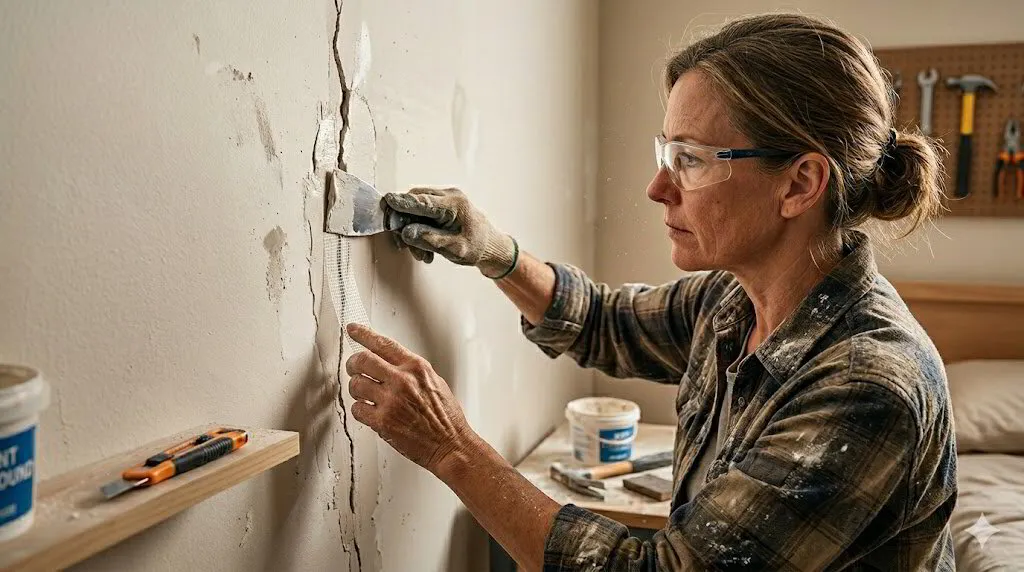
DIY Guide: How to Repair Drywall Cracks Like a Pro
Drywall cracks are an inevitable part of homeownership that can transform pristine walls into unsightly reminders of settling foundations, temperature…
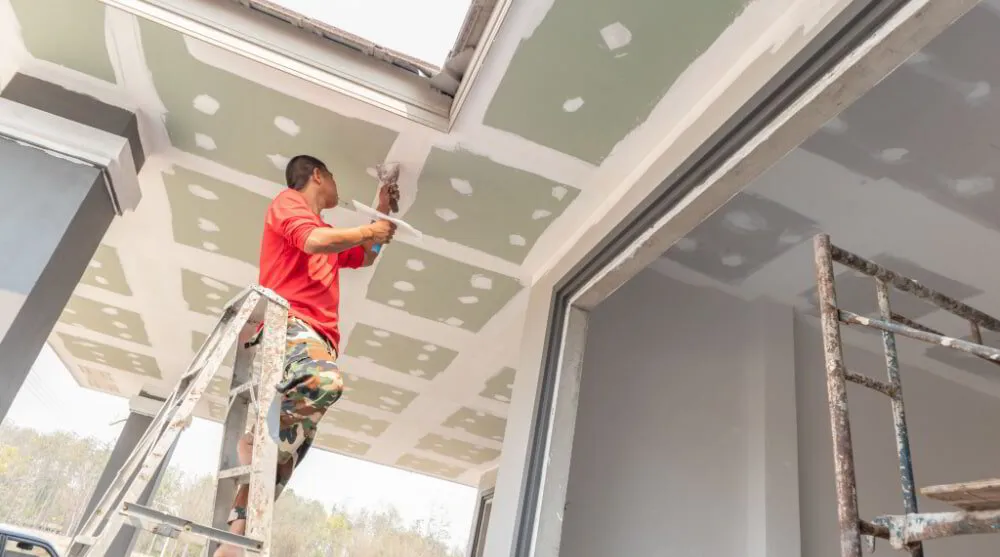
Expert Drywall Repair And Installation In Southeast Michigan
If you're a homeowner in Southeast Michigan, you know that maintaining your property is essential, and drywall repair and installation in Southeast Mi…
Specialized Drywall Tear out and Replacement Services
Specialized drywall tear out and replacement is a crucial service for homeowners facing issues like water damage, mold, or aging materials. Did you kn…