
Affordable Water Damage Drywall Repair Solutions
Affordable water damage drywall repair is a concern that many homeowners face, often
unexpectedly. Did you know that over 14,000 people in the U.S. experience a water damage
emergency every single day? Whether it’s a leaky roof, a broken pipe, or a flood, water damage
not only compromises the aesthetics of your home but can also lead to significant structural issues
if left unaddressed. Fortunately, there are effective and affordable solutions available for repairing
the drywall affected by water damage. In this blog post, we will explore the causes of water damage,
provide tips for affordable repairs, and discuss the options of DIY versus hiring a professional,
helping you make informed decisions to protect your home and wallet.
Understanding Water Damage and Its Impact
on Drywall
Water damage can be a homeowner’s worst nightmare, especially when it affects the integrity of
drywall. Knowing the basic principles of water damage and how it interacts with your drywall can
help you understand the urgency of affordable water damage drywall repair.
Common Causes of Water Damage
Water damage can stem from a variety of sources, including:
- Leaking pipes: Often the biggest culprits, these leaks can go unnoticed until significant
damage occurs.
- Flooding: Heavy rainfall or basement flooding can saturate drywall, leading to mold and
structural concerns.
- Appliance malfunctions: Broken dishwashers, washing machines, or water heaters can
spill large amounts of water.
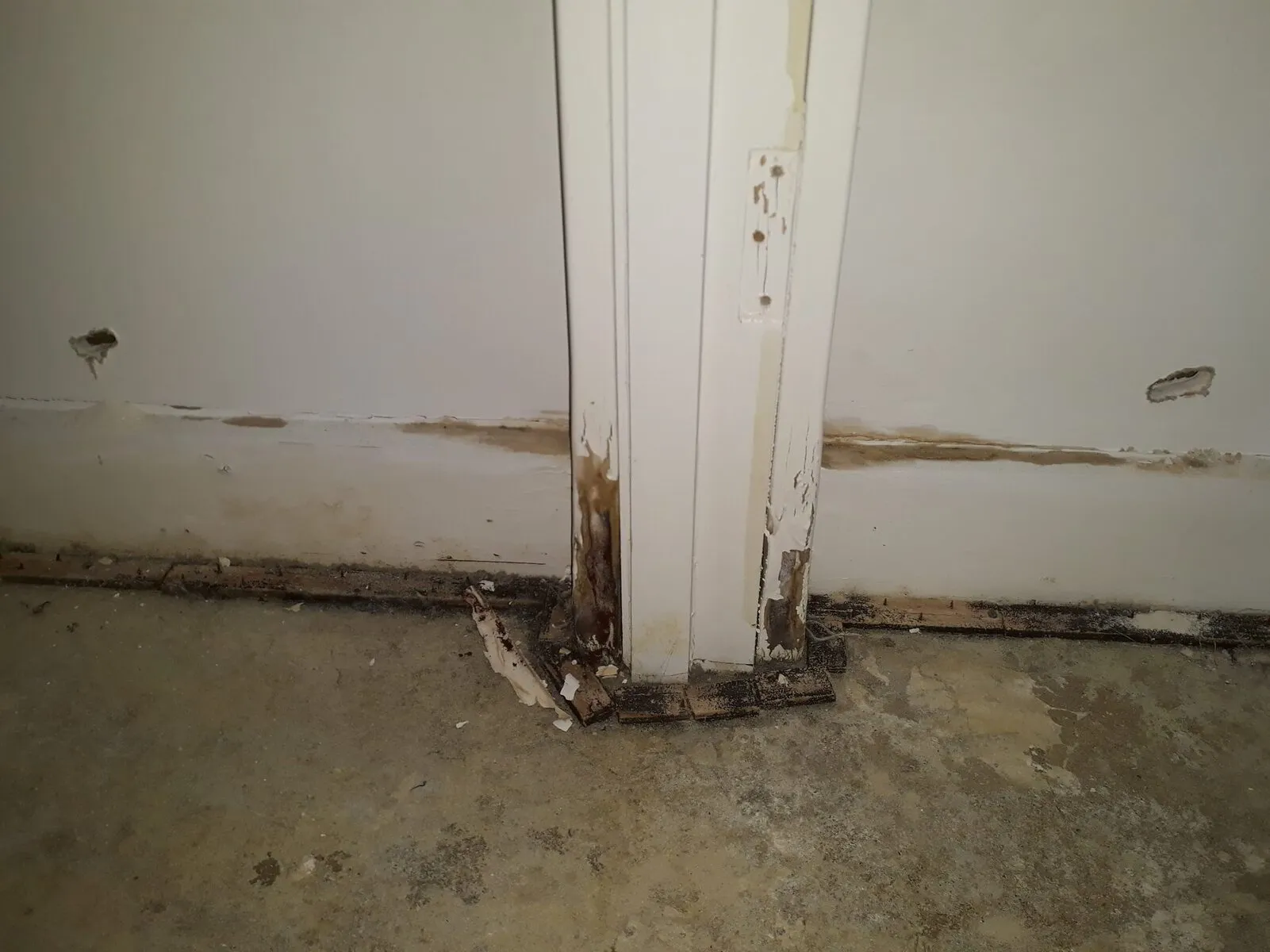
Signs of Water Damage in Drywall
Recognizing the signs early ensures that you get prompt, affordable water damage drywall repair.
Look for:
- Discoloration or stains: Dark spots or yellow-brown stains often indicate water damage.
- Bulging or warped drywall: If your drywall appears misshapen, it's a sign that water has
infiltrated the panels.
- Mold growth: Visible mold can be a health hazard and signifies ongoing water issues.
Why Timely Repair is Crucial
Delaying repair can lead to:
- Increased repair costs: The longer water sits, the more damage it causes, requiring
more extensive and expensive repairs.
- Structural damage: Prolonged water exposure can weaken the framework of your home.
- Health concerns: Mold and mildew thrive in moist environments, posing risks to your
family's health.
Affordable Water Damage Drywall Repair Options
When water damage occurs, homeowners often feel overwhelmed by the potential costs.
Thankfully, there are various affordable water damage drywall repair options available.
DIY Approaches to Minor Repairs
For minor water damage, some DIY fixes can save you money. Techniques include:
- Drying out the area: Use fans or dehumidifiers to dry the affected area.
- Patching small holes: For very small areas, you can patch the drywall with a simple
spackling compound.
- Applying new paint: After repairs, a fresh coat of paint can restore the area’s appearance.
When to Call a Professional
For more significant damage, it's advisable to seek professional help. Consider hiring experts
when you notice:
- Extensive water damage affecting larger sections of drywall.
- Signs of mold growth.
- Structural concerns requiring additional expertise.
Cost-Effective Solutions for Major Damage
If you're facing substantial damage, there are budget-friendly options:
- Compare quotes: Always obtain several estimates to find the best value.
- Use affordable materials: Opt for cost-effective drywall and repair materials designed
to withstand moisture.
- Look for local assistance: Some local repair companies offer lower rates than larger
providers while maintaining quality, like those found on sites such as HomeAdvisor.

Maintaining Drywall to Prevent Future
Water Damage
Preventing future water damage starts with regular maintenance and vigilance.
Regular Inspections and Maintenance
- Check plumbing regularly: Routine checks can help catch leaks before they cause
damage.
- Inspect roofs and gutters: Clear debris to ensure proper drainage during rainfall.
Addressing Plumbing Issues Promptly
Don’t delay repairs: If you notice a leak, fix it immediately to avoid further damage.
Best Practices for Humidity Control High
humidity can lead to water damage, so consider:
- Using dehumidifiers in damp areas: Basements or bathrooms are prone to excess
moisture.
- Ensuring proper ventilation: Adequate airflow helps keep humidity levels in check and
reduces the risk of mold.
By understanding the causes and signs of water damage and exploring affordable water
damage drywall repair options, homeowners can tackle issues efficiently and effectively,
preserving the integrity of their homes.
Step-by-Step Guide to Affordable Water
Damage Drywall Repair
Repairing water-damaged drywall doesn’t have to be an overwhelming task. With the right
approach and some basic tools, you can perform affordable water damage drywall repair
effectively.
Drying Out the Affected Area
Before any repairs can begin, you must ensure that the area is thoroughly dried:
- Use fans and dehumidifiers: Set these up in the affected area to help eliminate moisture
quickly.
- Open windows: If weather permits, allow fresh air to circulate, promoting faster drying.
Removing Damaged Drywall
Once the area is dry, it’s time to assess and remove the damaged drywall:
- Identify the extent of the damage: Use a utility knife to cut away with damaged sections.
Make sure to overlap the cut edges for a smoother repair.
- Use a pry bar: Gently remove the damaged pieces, being careful not to harm the
surrounding structures.
Installing New Drywall Next
You'll need to install new drywall to replace what was damaged:
- Measure and cut new panels: Use the measurements from the removed drywall to cut new
pieces accordingly.
- Secure the drywall: Attach it to the studs using drywall screws, ensuring it’s level and flush
with existing wall surfaces.
Finishing Touches: Taping, Mudding, and Painting
After installing the new drywall, it's essential to finish it correctly to achieve a seamless result:
- Apply drywall tape: Use mesh or paper tape over the seams to help hide joints.
- Mud the seams: Apply joint compound (mud) over the tape, feathering it out to blend with
the wall.
- Sand and paint: Once the mud is dried and sanded smooth, you can paint over it to match
the existing walls.
By following these steps, homeowners can achieve effective and affordable water damage
drywall repair without breaking the bank. Should you encounter challenges, remember that
consulting professionals can still yield positive results—and seeking multiple quotes can help
you find cost-effective services suited to your needs. For expert assistance, check out Angie's
List for quality service providers in your area.

Maintaining Drywall to Prevent Future
Water Damage
Preventing future water damage is essential not only for preserving your home's aesthetics
but also for ensuring the long-term strength of your walls. By implementing a few maintenance
practices, you can effectively safeguard your drywall and minimize the need for costly repairs
down the line.
Regular Inspections and Maintenance
Conducting routine inspections of your home can help catch potential water issues before they
escalate. Consider the following strategies:
- Inspect plumbing regularly: Check under sinks and behind appliances for any signs of
leaks.
- Examine roofs and gutters: Ensure that gutters are clear of debris to promote proper
drainage and check for any roof leaks that can cause significant water damage.
Addressing Plumbing Issues Promptly
Quickly resolving plumbing problems is vital in preventing water damage to your drywall:
- Act fast: If you notice a dripping faucet or leaking pipe, don't hesitate to repair it or call
a professional plumber.
- Monitor water bills: A sudden increase may indicate hidden leaks, prompting further
inspection.
Best Practices for Humidity Control
High humidity levels can contribute to water damage, especially in areas like basements and
bathrooms. Implement these practices to maintain optimal humidity:
- Use dehumidifiers: These can significantly reduce moisture levels in high-humidity areas,
preventing mold growth.
- Ensure proper ventilation: Install exhaust fans in kitchens and bathrooms to mitigate
excess humidity from cooking and showers.
By focusing on regular maintenance, prompt plumbing repairs, and effective humidity control,
homeowners can prevent many issues associated with water damage. This proactive approach
not only protects your home but also contributes to more affordable water damage drywall
repair should problems arise. For additional resources, consider visiting the Environmental
Protection Agency (EPA) for helpful information on maintaining a moisture-free environment.

Conclusion
In conclusion, understanding how to manage water damage effectively can save homeowners
both money and stress. With the right knowledge and preparations, affordable water damage
drywall repair is within reach. By recognizing the signs of water damage, acting quickly to repair
any issues, and maintaining the integrity of your drywall, you can protect your investment and
create a comfortable living environment.
Recap of Affordable Solutions
- Timely response: Address water damage as soon as it's detected to minimize costs.
- DIY for minor repairs: Engage in simple DIY tasks when the damage is manageable.
- Professional help for major damage: Call in experienced professionals for extensive
repairs to ensure a job well done.
Encouragement to Act Quickly on Repairs
The longer you wait to address water damage, the more extensive—and expensive—the repairs
can become. Remember, being proactive not only protects your home but also enhances its value.
Whether you opt for DIY methods or decide to engage a professional service, there is a broad
spectrum of affordable water damage drywall repair solutions available.
For further guidance and assistance, check out HomeAdvisor to connect with reputable
professionals who can help with any drywall repairs you might encounter.
Understanding the Costs of Water Damage Drywall Repair
When faced with water-damaged drywall, one of the most pressing concerns for homeowners is
the cost of repairs. Getting a good grasp of these costs can help you plan accordingly and find
affordable water damage drywall repair solutions that fit within your budget.
Factors Influencing Repair Costs
Several factors can influence the overall cost of repairing water-damaged drywall:
- Extent of damage: The more extensive the water damage, the higher the costs for materials
and labor. Minor repairs can be relatively inexpensive, while major damage could require
significant investment.
- Location: Repair costs can vary based on your geographical location. Urban areas typically
see higher labor costs compared to rural settings.
- Material choices: Selecting high-quality, moisture-resistant drywall can initially cost more
but can save money in the long run by preventing future damage.
Estimating Repair Costs
To give you a better idea of potential costs, here’s a breakdown of typical expenses associated
with water damage drywall repair:
- Labor: Expect to pay between $50 and $75 per hour for professional services, depending
on the complexity of the job.
- Materials: Standard drywall panels range from $10 to $15 for a standard 4x8 sheet, while
moisture-resistant options can cost slightly more.
- Additional materials: Other supplies like joint compound, tape, and paint may add around
$50 to $150 to your total costs.
Tips for Reducing Costs
Finding affordable water damage drywall repair options is possible if you consider these
money-saving strategies:
- Get multiple quotes: Contact several contractors to compare costs and find the best
price.
- DIY minor repairs: If you feel confident in your skills, tackling small repairs yourself can
save you significant labor expenses.
- Purchase materials in bulk: Buying materials in larger quantities can often lead to discounts.
By understanding the costs involved and exploring various options, homeowners can navigate the
process of water damage repairs effectively. For further assistance and to find reputable services,
you can visit Angie's List for verified contractors who specialize in these types of repairs.
DIY vs. Professional Water Damage Drywall Repair: Making the Right Choice
When faced with water-damaged drywall, one crucial decision homeowners must make is whether
to handle the repairs themselves or hire a professional. Both options have their pros and cons, and understanding them can guide you toward choosing the most affordable water damage drywall
repair strategy for your situation.
Benefits of DIY Repair
Choosing to repair minor water damage yourself can be both cost-effective and satisfying. Here are
some benefits:
- Cost savings: Eliminating labor costs can significantly reduce your overall repair expenses.
- Control over the project: You dictate the pace and schedules, allowing for flexibility based
on your availability.
- Skill development: Engaging in DIY repairs can enhance your home improvement skills for
future projects.
Considerations for DIY
While DIY can save money, it’s important to recognize its limitations:
- Skill level: Assess whether you have the necessary tools and experience to complete the
repair successfully.
- Extent of damage: If damage is extensive, DIY may not be feasible, as improper fixes
could lead to further issues, increasing costs down the line.
- Time commitment: DIY repairs can be time-consuming, and if you're not experienced, it
might take longer than anticipated.
Benefits of Professional Repair
Hiring a professional to handle water damage repair comes with its own set of advantages:
- Expertise and experience: Professionals bring specialized skills, ensuring repairs are
done correctly.
- Guarantee of work: Many contractors offer warranties on their work, providing
peace of mind regarding the quality of repairs.
- Efficiency: Professionals can often complete the work faster than a DIY effort,
minimizing further damage to your home.
Considerations for Hiring Professionals
While hiring a contractor offers several benefits, there are also aspects to contemplate:
- Cost: Professional services may be higher in price compared to DIY efforts, but this can
often lead to better long-term savings.
- Finding the right contractor: Research and compare multiple contractors to ensure
you’re hiring a reputable and affordable option.
Ultimately, the decision between DIY and professional water damage drywall repair depends on
the severity of the damage, your comfort level with home repairs, and your budget. For further
assistance in finding competent professionals, consider checking out HomeAdvisor, where you
can receive quotes from local contractors specializing in drywall repairs.
What causes water damage to drywall?
Water damage to drywall can occur due to various reasons, including leaking pipes, roof leaks,
flooding from heavy rainfall, or malfunctioning appliances like dishwashers and washing
machines. Even high humidity levels can contribute to water damage, especially in basements
and bathrooms. Identifying the source of water intrusion is crucial for effective repairs.
How can I tell if my drywall has water damage?
Common signs of water damage in drywall include discoloration, such as yellow or brown stains,
bulging or warped surfaces, and soft spots when touched. Additionally, if you notice mold
forming on the drywall or a musty smell in the area, these are strong indicators that moisture
is present and must be addressed promptly.
Is it better to DIY or hire a professional for drywall repair?
Whether to DIY or hire a professional depends on the extent of the damage and your confidence
in your repair skills. Minor repairs can often be handled effectively as a DIY project, while more
extensive damage usually requires the expertise of professionals to ensure the repairs are done
correctly, which can ultimately save money in the long run.
What are some affordable repair options for water-damaged drywall?
Affordable repair options for water-damaged drywall include using moisture-resistant drywall for replacements, patching small holes with spackle, and applying fresh paint to restore appearance.
For those comfortable with DIY techniques, resources and tutorials are readily available online to
guide you through the repair process.
How can I prevent future water damage to drywall?
To prevent future water damage, it's vital to conduct regular inspections of plumbing and roofs,
address any leaks promptly, and control humidity levels through proper ventilation and the use of dehumidifiers. Additionally, ensuring gutters are cleared and functioning properly can help divert
water away from your home, significantly reducing the risk of water damage to drywall.
Related Articles
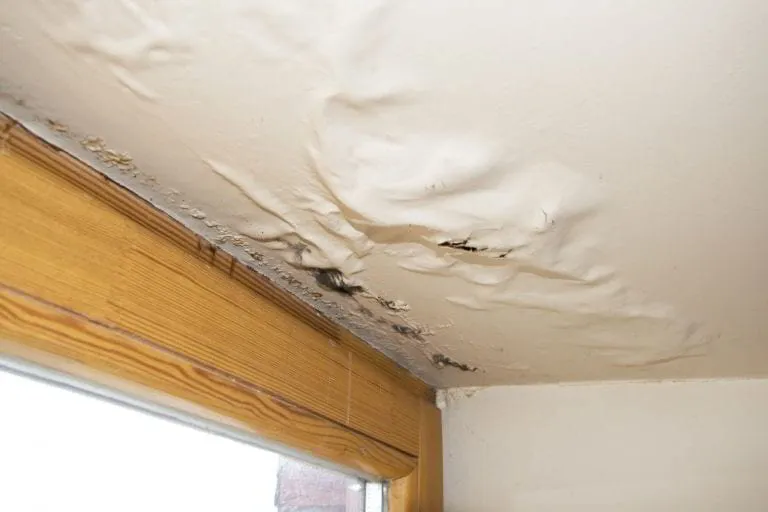
The Right Approach to Fixing Water Damaged Drywall (2)
he right approach to fixing water-damaged drywall can save homeowners not only time and money but also prevent potential health hazards associated wit…
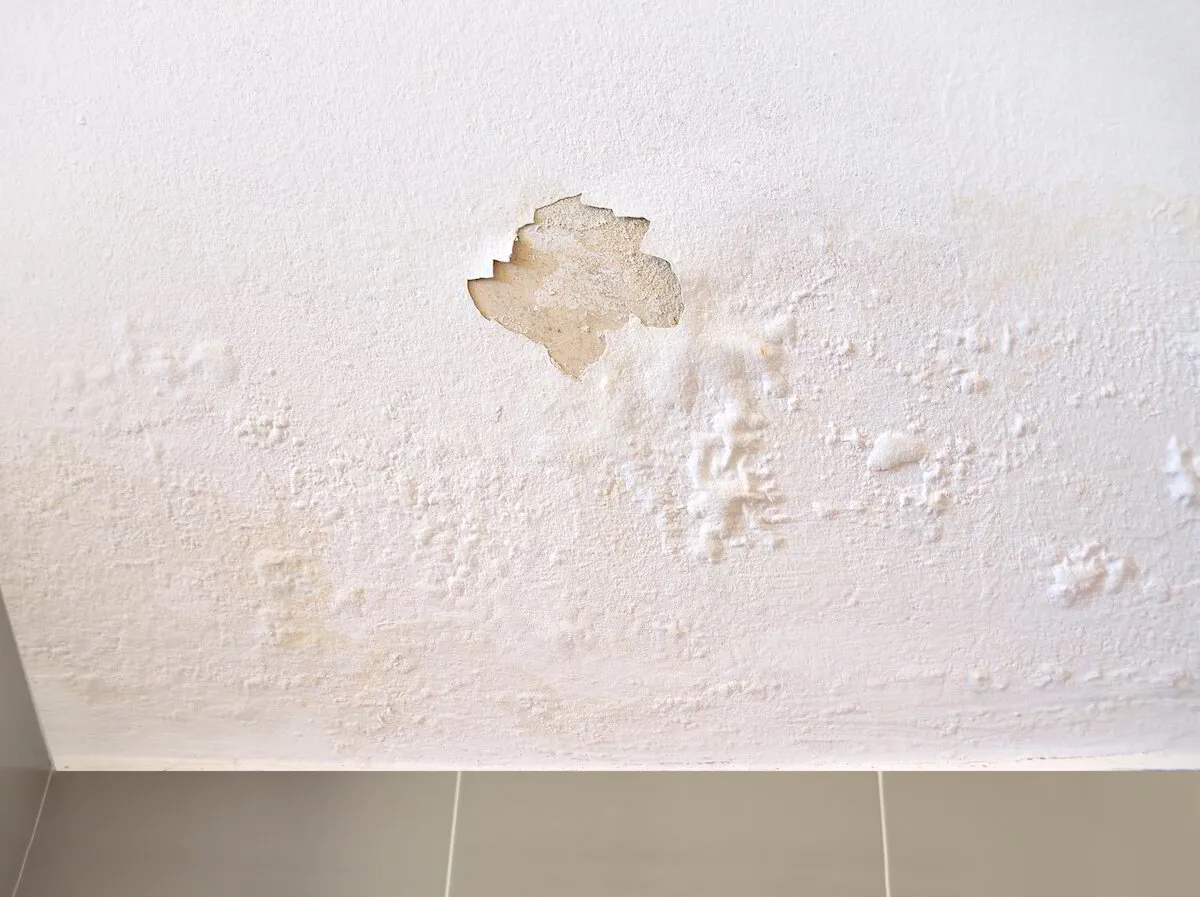
Affordable Water Damage Drywall Repair Solutions (1)
Affordable water damage drywall repair is not just a necessity; it can be a daunting task that many homeowners face at some point. Did you know that w…