What Cause Drywall Screws To Pop?
What Causes Drywall Screws to Pop?
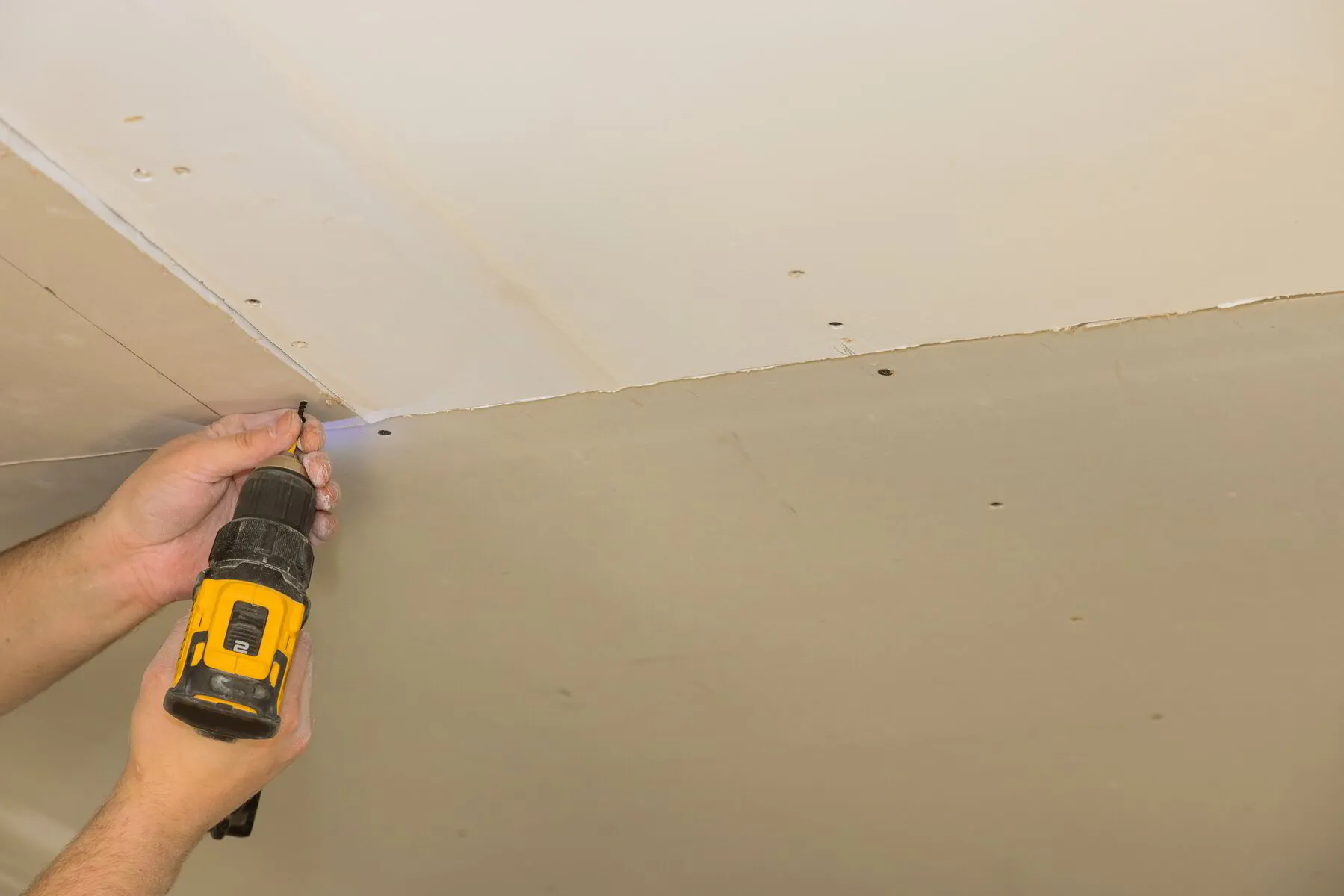
Drywall screws are essential in securing drywall sheets to the underlying framework, ensuring a smooth, even surface for painting and finishing. However, a common problem many homeowners and contractors encounter is drywall screw pops—when the screws push out from the screw pops in drywall surface, creating unsightly bumps and sometimes even cracks. This can be both frustrating and damaging to the overall appearance of your walls. In this article, we’ll explore what causes screw pops drywall screws to pop and provide tips on how to prevent this issue.
What is a Drywall Screw?
Sheetrock screws are specially designed screws that are used to attach gypsum sheets to wood or metal studs. They have a sharp point and a coarse thread that allows them to easily penetrate the drywall and grip onto the underlying structure. These screws are typically made of hardened steel and have a Phillips or square drive head for easy installation.
Why Do Drywall Screws Pop?
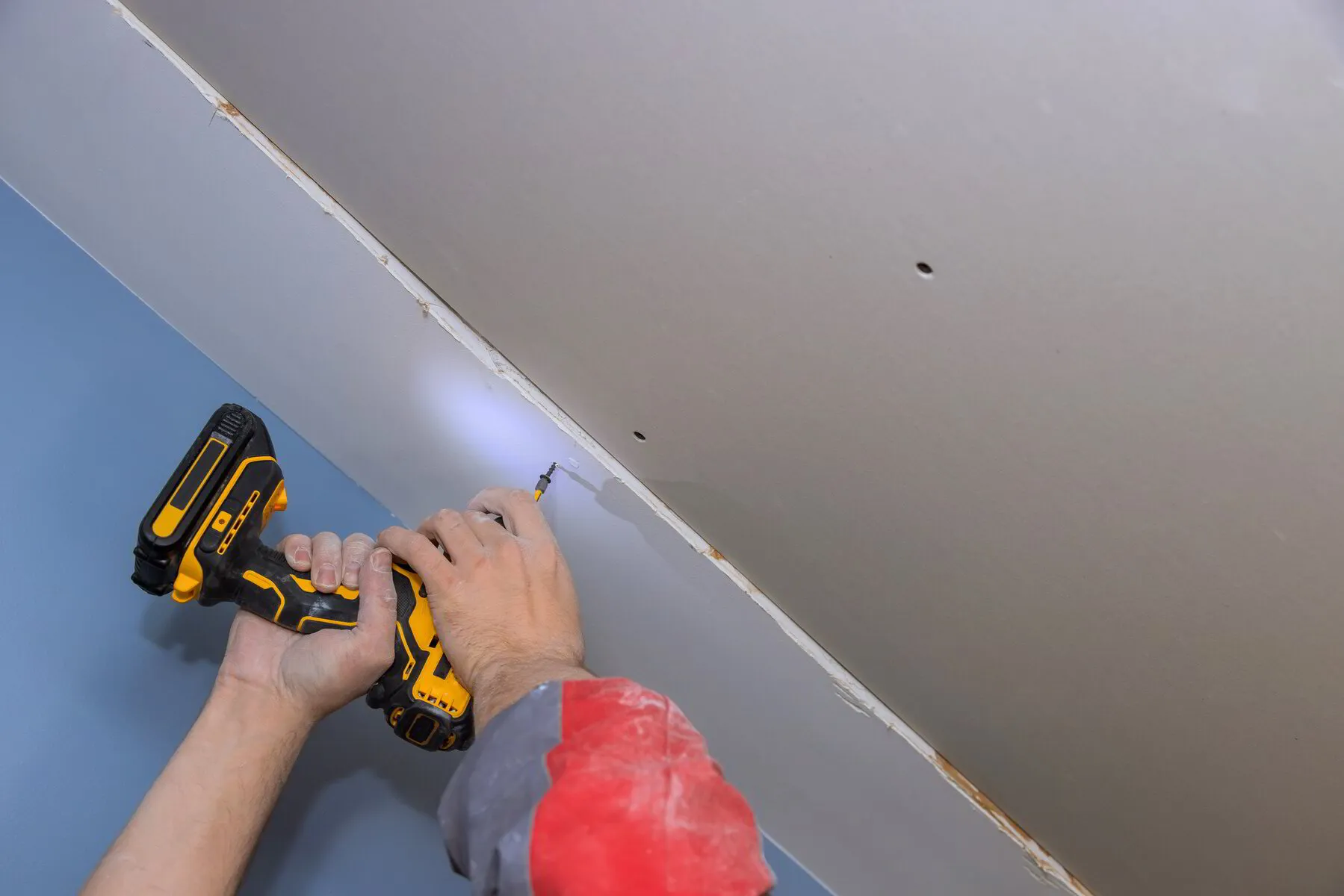
There are several reasons why drywall screws may pop out of the wall. Let’s take a closer look at each of these factors:
1. Improper Installation
The most common cause of drywall screws popping is improper installation. If the screws are not driven in at the correct angle or depth, they may not have enough grip on the drywall and can easily pop out. This can happen if the screws are not driven in straight or if they are not inserted deep enough into the drywall. It is essential to use the correct technique when installing drywall screws to ensure they are secure and will not pop out later on.
2. Low-Quality Screws
Another factor that can contribute to drywall screws popping is the quality of the screws themselves. Low-quality screws may not have the necessary strength and durability to hold the drywall in place. They may also have a weaker grip on the drywall, making them more prone to popping. It is crucial to use high-quality screws that are specifically designed for use with drywall to avoid this issue.
3. Moisture and Humidity
Moisture and humidity can also cause drywall screws to pop. When drywall is exposed to high levels of moisture, it can expand and contract, causing stress on the screws. This can lead to the screws loosening and eventually popping out of the wall. This is especially common in areas with high humidity, such as bathrooms and kitchens. To prevent this, it is essential to properly seal and waterproof these areas before installing drywall.
4. Structural Movement
Structural movement can also be a contributing factor to drywall screws popping. As a building settles over time, the walls and ceilings may shift, causing stress on the screws. This can lead to the screws loosening and popping out. This is more common in older homes, but it can also occur in newer constructions. To prevent this, it is crucial to use longer screws that can better withstand structural movement.
5. Over-Tightening
Over-tightening the screws can also cause them to pop out of the wall. When screws are driven in too far, they can create too much tension on the drywall, causing it to crack and the screw to pop out. This is why it is essential to use the correct size and type of screw for the job and to avoid over-tightening them.
How to Prevent Drywall Screws from Popping
Now that we have explored the various causes of drywall screws popping, let’s look at some ways to prevent this issue from occurring:
Use high-quality screws specifically designed for use with drywall.
Ensure proper installation by driving the screws in at the correct angle and depth.
Use longer screws in areas where structural movement is a concern.
Avoid over-tightening the screws.
Properly seal and waterproof areas with high levels of moisture, such as bathrooms and kitchens.
One of the main reasons for drywall screws popping out ceiling is wood framing movement. As wood naturally expands and contracts with changes in temperature and humidity, the shifting can cause screws to loosen and push out from the drywall surface. Another factor is improper screw placement; if screws aren’t driven deep enough or miss the wall stud, they can lose their hold over time, leading to pops. Overloading the drywall with excessive weight, such as heavy fixtures, can also cause the screws to shift and pop.
To prevent drywall screw pops, it's important to ensure proper installation techniques, including using the correct type and length of screws, and spacing them appropriately along the studs. Keeping indoor humidity levels stable can also help reduce wood movement, minimizing the chances of screws shifting over time. If you’re experiencing frequent screw pops, consulting professionals like The Patch Guyz can help ensure long-lasting, smooth drywall finishes without the worry of future issues.
Understanding what causes screw pops in drywall can help homeowners maintain the appearance and durability of their walls. When drywall screws coming out of wall becomes a recurring issue, it’s often due to underlying structural shifts or improper installation methods. For instance, wood framing expands and contracts with changes in humidity and temperature, leading to screws popping out of drywall over time. Additionally, factors like overloading walls with heavy fixtures or failing to properly secure screws to the studs can result in popped drywall screws and screw pops in ceiling. Taking proactive steps, such as using moisture-resistant materials in humid areas and ensuring screws are driven correctly, can significantly reduce drywall pop issues, helping to maintain smooth and sturdy surfaces throughout your home.
In Conclusion
Drywall screws popping can be a frustrating issue, but it is a common problem that can be easily prevented. By using high-quality screws, properly installing them, and taking steps to prevent moisture and structural movement, you can ensure that your drywall remains secure and free of unsightly bumps and cracks. Remember to always use the correct techniques and materials when installing drywall to avoid this issue and ensure a smooth and professional finish.
Related Articles
Can You Patch Popcorn Ceilings?
Popcorn ceilings, also known as acoustic ceilings or textured ceilings, were a popular design trend in the mid-20th century. They were used to cover i…