Understanding the Cost of Hiring Licensed Drywall Contractors in Southeastern Michigan
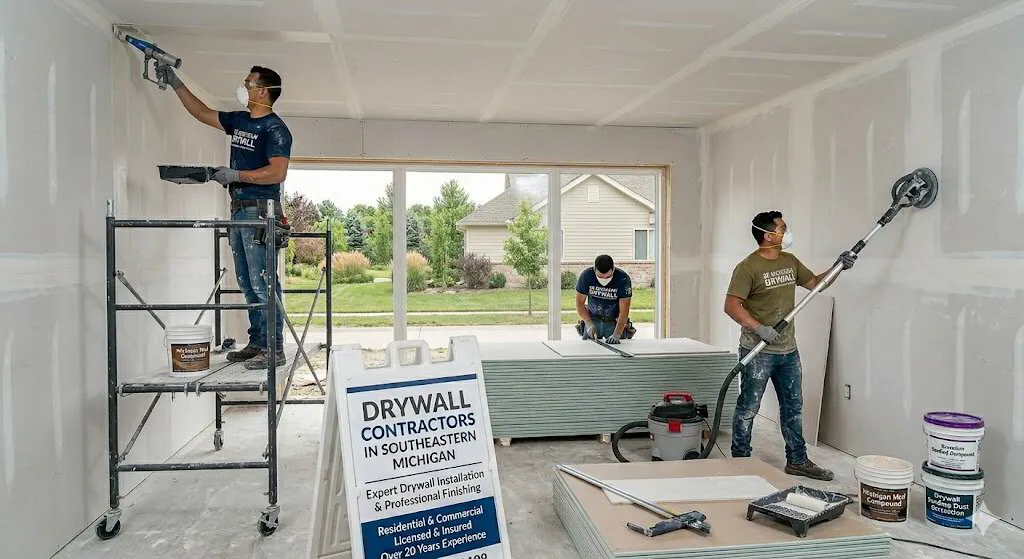
When walls and ceilings in your Southeastern Michigan property show signs of damage, whether from settling, moisture, or recent renovations, the question of repair costs inevitably arises. Understanding the cost of hiring licensed drywall contractors is crucial for homeowners, landlords, and commercial property owners who want quality repairs that stand the test of time.
The drywall repair industry in Southeastern Michigan, encompassing the Detroit metro area and surrounding counties, offers a wide range of services from minor patch jobs to complete wall replacements. However, navigating the pricing landscape can be challenging without proper knowledge of what factors influence costs and what you should expect to pay for professional services.
Licensed drywall contractors bring expertise, proper tools, and accountability to every project. Unlike unlicensed handymen, these professionals carry insurance, follow building codes, and provide warranties on their work. While their services may cost more upfront, the long-term value and peace of mind they provide make them the preferred choice for discerning property owners.
This comprehensive guide will break down the various factors that influence drywall repair costs in Southeastern Michigan, provide realistic price ranges for different types of work, and help you make informed decisions when selecting contractors for your next project.
Factors Affecting the Cost of Hiring Drywall Contractors
The cost of hiring licensed drywall contractors varies significantly based on several key factors that directly impact the complexity, time, and materials required for your project. Understanding these variables will help you better anticipate expenses and communicate effectively with potential contractors.
Type of Repair Material and Complexity
The fundamental distinction between drywall and plaster repairs significantly affects pricing. Modern drywall repairs are generally more straightforward and cost-effective, while plaster work requires specialized skills and techniques. Plaster repairs in older Southeastern Michigan homes, particularly those built before the 1950s, demand contractors with specific expertise in traditional plastering methods. These specialists often charge premium rates due to their specialized knowledge and the time-intensive nature of plaster restoration.
Textured surfaces add another layer of complexity to the cost equation. Matching existing textures, whether it's orange peel, knockdown, or popcorn ceiling patterns, requires additional time and skill. Licensed contractors must not only repair the damaged area but also recreate the texture to blend seamlessly with surrounding surfaces.
Extent and Location of Damage
Minor repairs, such as small holes from picture hangers or minor cracks, typically fall into the lower cost category. However, extensive damage from water leaks, structural settling, or major renovations can dramatically increase project costs. Large-scale repairs often require drywall replacement, which involves removing damaged sections, installing new materials, and finishing the entire area.
The location of damage within your property also influences pricing. Ceiling repairs generally cost more than wall repairs due to the additional equipment and safety considerations required. High ceilings or hard-to-reach areas may require specialized scaffolding or lifts, adding to the overall project cost. Similarly, repairs in finished basements or areas with limited access present logistical challenges that contractors factor into their pricing.
Geographic Considerations in Southeastern Michigan
Location within Southeastern Michigan affects the cost of hiring licensed drywall contractors due to varying market conditions, travel distances, and local regulations. Urban areas like Detroit, Ann Arbor, and Dearborn typically have higher labor costs but also more competition among contractors. Suburban communities such as Troy, Novi, and Rochester Hills may see moderate pricing with good contractor availability.
Rural areas in the outer counties might experience higher costs due to limited contractor availability and increased travel time. Additionally, some municipalities have stricter permitting requirements or inspection processes that can add to project costs and timelines.
Contractor Experience and Reputation
Licensed drywall contractors with extensive experience and strong reputations command higher rates than newer professionals. Established contractors often provide superior craftsmanship, better warranties, and more reliable service, justifying their premium pricing. These professionals have invested in high-quality tools, ongoing training, and business infrastructure that supports consistent, professional results.
Contractors specializing in specific types of work, such as historical restoration or commercial projects, may charge premium rates for their specialized expertise. However, their specialized knowledge often results in better outcomes and fewer callbacks, providing better long-term value for property owners.
Average Costs for Drywall Repair Services
Understanding typical pricing structures helps property owners budget effectively and recognize fair market rates when evaluating contractor proposals. The cost of hiring licensed drywall contractors in Southeastern Michigan follows several common pricing models, each appropriate for different types of projects.
Hourly Rate Structure
Licensed drywall contractors in Southeastern Michigan typically charge between $45 and $85 per hour for their services. Entry-level licensed contractors or those working in more competitive markets may charge on the lower end of this range, while experienced specialists or those working in premium markets command higher rates. These hourly rates usually include the contractor's labor but may not cover materials, which are often billed separately.
For small repair projects or diagnostic work, hourly billing provides transparency and flexibility. However, most contractors prefer project-based pricing for larger jobs to provide cost certainty for both parties and to ensure fair compensation for their expertise and efficiency.
Square Footage Pricing Models
Many licensed contractors use square footage pricing for larger repair or replacement projects. Basic drywall repair and finishing typically ranges from $1.50 to $3.50 per square foot, depending on the complexity of the work. This pricing usually includes materials, labor, and basic finishing work such as sanding and priming.
More complex projects involving texture matching, multiple coats, or specialized materials can range from $3.50 to $6.00 per square foot. Plaster repairs or restoration work often exceeds these ranges, sometimes reaching $8.00 to $12.00 per square foot for intricate restoration work in historic properties.
Project-Based Pricing Examples
Small hole repairs, such as those caused by doorknobs or small fixtures, typically cost between $75 and $200 per repair, including materials and labor. Medium-sized repairs covering 4-16 square feet generally range from $200 to $500, while large repairs or partial room renovations can cost $500 to $2,000 or more.
Professional vs. DIY Cost Comparison
While DIY repairs might seem cost-effective, professional services often provide better long-term value. A DIY patch kit might cost $20-40, but without proper tools, experience, and techniques, results often look unprofessional and may require eventual professional correction. Licensed contractors bring specialized tools, quality materials, and expertise that ensure repairs blend seamlessly with existing surfaces, protecting your property's value and appearance.
Benefits of Hiring Licensed Drywall Contractors
Investing in licensed drywall contractors provides numerous advantages that extend far beyond the immediate repair work. These benefits justify the cost of hiring licensed drywall contractors and contribute to long-term property value and owner satisfaction.
Quality Assurance and Professional Standards
Licensed contractors must meet specific training requirements, pass examinations, and maintain their credentials through continuing education. This regulatory oversight ensures they possess current knowledge of building codes, safety protocols, and industry best practices. Their work typically comes with warranties ranging from one to five years, providing protection against defects or premature failure.
Professional contractors use high-quality materials and proven techniques that ensure repairs last for years without cracking, settling, or discoloration. They understand how different materials interact, how environmental factors affect repairs, and how to prepare surfaces properly for optimal adhesion and durability.
Insurance and Liability Protection
Licensed contractors carry comprehensive insurance coverage, including general liability and workers' compensation insurance. This protection shields property owners from financial responsibility if accidents occur during the work or if the contractor's work causes damage to the property. Unlicensed workers rarely carry adequate insurance, leaving property owners vulnerable to significant financial exposure.
Additionally, licensed contractors are bonded, providing additional financial protection if they fail to complete work according to contract terms or if they damage your property during the repair process.
Efficiency and Professional Equipment
Professional contractors complete projects significantly faster than DIY efforts or unlicensed workers. They possess specialized tools such as professional sanders, spray equipment, and precision cutting tools that enable them to work efficiently while achieving superior results. Their experience allows them to identify potential problems early and address them before they become costly issues.
Licensed contractors also have established relationships with suppliers, ensuring access to quality materials at competitive prices. They understand which products work best for specific applications and can recommend solutions that provide optimal performance and longevity for your particular situation.
Code Compliance and Permitting
Licensed contractors understand local building codes and permitting requirements, ensuring all work meets regulatory standards. This compliance protects property owners from potential legal issues and ensures work will pass inspection if the property is sold or refinanced.
How to Choose the Right Drywall Contractor in Southeastern Michigan
Selecting the right licensed contractor requires careful research and evaluation to ensure you receive quality work at fair prices. The process involves multiple steps, each designed to help you identify contractors who meet your specific needs and budget requirements.
Research and Verification Process
Begin by verifying each contractor's license status through the Michigan Department of Licensing and Regulatory Affairs. Confirm their insurance coverage by requesting certificates of insurance directly from their insurance provider. Check Better Business Bureau ratings and review complaint histories to identify any patterns of customer dissatisfaction or unresolved issues.
Online reviews on platforms like Google, Angie's List, and Yelp provide valuable insights into customer experiences, but read them critically. Look for detailed reviews that describe specific aspects of the work quality, timeliness, and professionalism rather than brief, generic comments.
Obtaining and Comparing Multiple Quotes
Request detailed written estimates from at least three licensed contractors to establish fair market pricing for your project. Quality contractors should be willing to visit your property to assess the work firsthand rather than providing estimates over the phone or through photos alone.
Compare quotes carefully, paying attention to materials specifications, labor descriptions, and timeline commitments. The lowest bid isn't always the best value if it involves inferior materials or rushed workmanship. Similarly, the highest bid may not be justified unless it includes premium services or materials that add genuine value.
Essential Questions for Contractor Evaluation
Ask potential contractors about their experience with projects similar to yours, particularly if you have unique challenges such as plaster walls, textured surfaces, or historical restoration requirements. Inquire about their typical project timeline and how they handle unexpected complications or change orders.
Request references from recent customers and follow up with these references to learn about their experiences. Ask about the contractor's punctuality, cleanliness, communication style, and whether they would hire them again for future projects.
Discuss warranty terms and what circumstances might void warranty coverage. Understand their process for addressing any issues that arise after project completion and confirm they'll be available for warranty service.
Red Flags to Avoid
Be cautious of contractors who demand full payment upfront, lack proper licensing or insurance, or pressure you to sign contracts immediately. Avoid those who solicit door-to-door or claim to have leftover materials from nearby jobs.
Contractors who provide vague estimates without detailed breakdowns or who seem reluctant to answer questions about their qualifications should be avoided. Similarly, be wary of bids that seem significantly higher or lower than others without clear justification for the price difference.
Making the Final Decision
Consider the total value proposition rather than focusing solely on price. Evaluate each contractor's professionalism, communication skills, and apparent expertise alongside their pricing. The contractor you choose should inspire confidence in their ability to complete your project successfully while treating your property with respect.
Understanding Quotes and Estimates
Professional estimates provide detailed information that helps you understand exactly what you're purchasing and compare different contractors effectively. Learning to interpret these documents ensures you make informed decisions and avoid misunderstandings during the project. For deeper insights, read our guide on understanding your drywall repair cost estimate.
Components of Professional Estimates
Comprehensive estimates break down labor and materials separately, allowing you to understand where your money is being spent. Labor costs should specify hourly rates or project rates along with estimated time requirements. Material costs should list specific products, quantities, and unit prices for transparency.
Quality estimates include detailed scope descriptions that specify exactly what work will be performed, what areas will be affected, and what cleanup will be provided. They should also include project timelines with start and completion dates, weather contingencies, and any factors that might affect the schedule.
Understanding Industry Terminology
Familiarize yourself with common terms like "skim coating," which refers to applying a thin layer of joint compound over entire surfaces to create smooth finishes. "Float and tape" describes the process of applying joint compound over drywall seams and sanding smooth. "Texture matching" involves recreating existing surface patterns in repaired areas.
"Primer and paint-ready" indicates the surface will be prepared for painting but doesn't include actual painting services. "Clean patch" refers to repairs that blend seamlessly with existing surfaces without visible evidence of the repair work.
Payment Terms and Schedules
Legitimate contractors typically request minimal upfront payment, often just enough to cover initial materials. Payment schedules should align with project milestones, with final payment due only after satisfactory completion and cleanup.
Be wary of contractors requiring large upfront payments or full payment before work begins. Reasonable payment terms protect both parties and demonstrate the contractor's confidence in their ability to complete the work satisfactorily.
Change Order Procedures
Professional estimates should explain how changes or additions to the original scope will be handled. This includes procedures for approving additional work, how pricing for changes will be determined, and how change orders will be documented.
Understanding these procedures before work begins prevents disputes and ensures any modifications to the original plan are handled professionally and transparently.
Conclusion and Next Steps
Understanding the cost of hiring licensed drywall contractors in Southeastern Michigan empowers property owners to make informed decisions that protect their investments while ensuring quality repairs. The factors influencing pricing—from project complexity and location to contractor experience—work together to determine fair market rates for professional services.
While the initial cost of hiring licensed drywall contractors may exceed DIY alternatives or unlicensed workers, the long-term benefits of professional work justify the investment. Quality repairs protect property values, provide warranty protection, and eliminate the frustration of failed DIY attempts or substandard work that requires eventual professional correction.
The key to successful drywall projects lies in thorough contractor research, careful evaluation of estimates, and clear communication throughout the process. Take time to verify credentials, check references, and compare multiple proposals before making your final decision.
Remember that the lowest bid rarely provides the best value, while the highest bid may not be justified unless it includes premium services or specialized expertise your project requires. Focus on finding contractors who demonstrate professionalism, expertise, and fair pricing for the specific work your property needs.
Ready to get started on your drywall repair project?
The Patch Guyz specializes in professional drywall and plaster repairs throughout Southeastern Michigan. Our licensed contractors provide quality workmanship with transparent pricing and reliable service.
Contact us today for a free consultation and detailed estimate for your drywall repair needs. Visit our website to learn more about our comprehensive repair services and schedule your consultation.
Schedule Your Free Estimate TodayRelated Articles
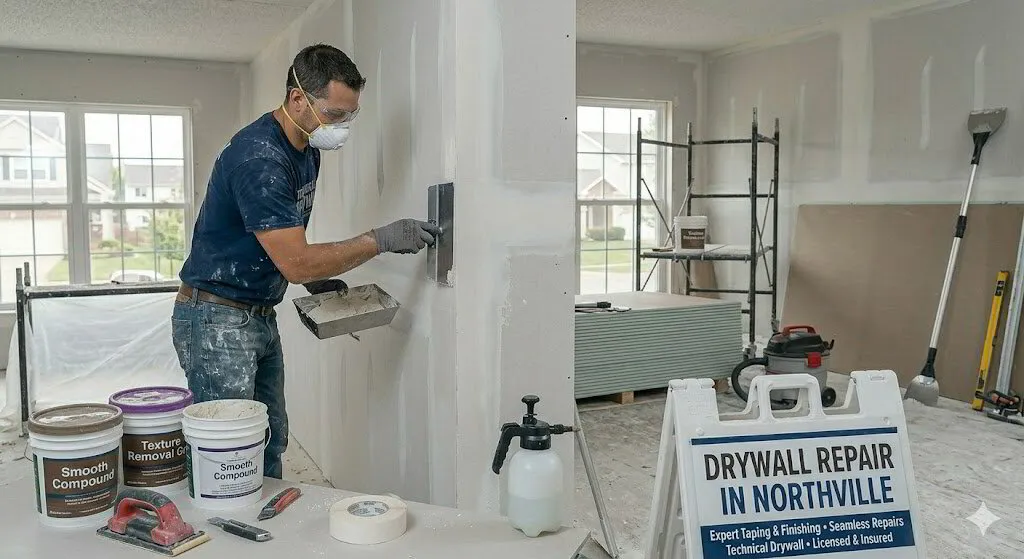
Understanding the Cost of Drywall Repair in Northville: A Comprehensive Guide for Homeowners
When you discover a hole in your wall or notice cracks spreading across your ceiling, understanding repair costs becomes essential for budgeting your …
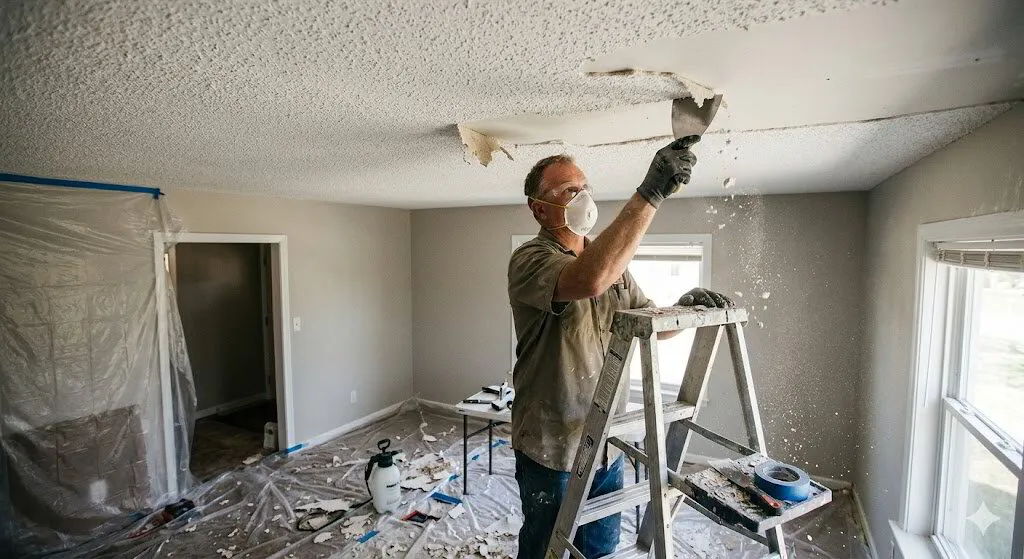
Understanding Popcorn Ceiling Removal Costs: A Homeowner's Guide
If you're a homeowner in Southeastern Michigan looking up at those outdated textured ceilings and wondering about removal costs, you're not alone. Pop…