Long Lasting Solutions for Drywall Repairs
Long-lasting solutions for drywall repairs are essential for maintaining the beauty and integrity of
our homes. Did you know that unaddressed drywall damage can not only detract from your
living space but also lead to more serious structural issues over time? Whether it's the result of
water leaks, physical impacts, or the natural settling of your home, drywall damage is a common
issue that many homeowners face. Ignoring it may seem like an easy solution in the short term,
but proactive intervention is key to preventing escalating costs down the line. In this blog post,
we will explore effective strategies and best practices for ensuring your drywall repairs are not
only quick fixes but also enduring solutions that stand up to the test of time. From identifying
common causes of damage to choosing the best materials and methods, get ready to equip
yourself with the knowledge needed to take control of your home's drywall health.
Understanding Drywall Damage
Drywall damage can occur due to a variety of factors, including accidents, wear and tear, and
environmental influences. Understanding these factors is crucial for addressing issues
effectively.
Common Causes of Drywall Damage
- Water leaks from plumbing or roofs
- Humidity and temperature fluctuations
- Impacts from furniture or moving activities
- Cracks from settling foundations
Signs You Need Drywall Repairs Noticing the early signs of damage can save you from more
costly repairs in the future. Look out for:
- Bubbling or peeling paint
- Visible cracks or holes
- Moisture stains or discoloration
- Soft spots when touched
Why Choose Long-Lasting Solutions for Drywall Repairs
Opting for long-lasting solutions for drywall repairs not only addresses immediate issues but
also helps prevent future problems. Durable repairs enhance the integrity of your walls and
significantly improve the overall appearance of your space.
Benefits of Durable Repairs
- Cost savings: Investing in quality repairs reduces the need for frequent fixes.
- Aesthetic appeal: A well-repaired wall looks great and adds value to your home.
- Increased safety: Properly repaired drywall eliminates hazards from structural
weaknesses.
Cost-Effectiveness of Long-Lasting Solutions Long-term solutions may seem more expensive
upfront, but they can lead to significant savings over time. Consider factors like:
- Reduced maintenance costs
- Extended lifespan of repairs
- Prevention of water damage and mold growth
Types of Drywall Repair Solutions
When addressing drywall issues, various repair methods can be considered based on the extent
of the damage. Here are some common options:
Patching Techniques
- Small Holes: Use spackling compound for small dents and holes.
- Medium Damage: Apply drywall patches or mesh tape for medium-sized damage.
- Large Sections: Consider replacing entire sections of drywall for large holes or extensive
damage.
Full Panel Replacement In cases of severe damage, replacing entire panels of drywall may be
necessary. This ensures that the structural integrity of your walls is maintained.
Textured Finishes for Repairs Replicating the original texture of your walls after a repair can
enhance the visual continuity of your space. Techniques such as knockdown, slap brush, or
even a smooth finish can be employed to match existing textures.
Best Materials for Long-Lasting Repairs
To ensure your drywall repairs stand the test of time, it’s essential to use the right materials.
Here are the recommended components for successful repairs:
Quality Drywall Boards Invest in well-manufactured drywall boards to withstand various
challenges.
Effective Joint Compounds Choose high-quality joint compounds that resist cracking and
shrinkage.
Reliable Sealants and Paints Using moisture-resistant paints and sealants can provide
additional protection and enhance durability.
For a deeper understanding of the materials suited for drywall repairs, consider exploring
resources from established companies like Sherwin-Williams.
Professional vs. DIY Repairs
When faced with drywall damage, homeowners often debate between professional help and
DIY repairs. Understanding when to call in experts versus tackling repairs on your own is
crucial.
When to Call in the Experts
- Extensive Damage: If damage is widespread or severe.
- Structural Concerns: When the integrity of the wall is in question.
- Time Constraints: If you need quicker results than a DIY project can provide.
Tools and Skills Required for DIY Engaging in DIY repairs can be rewarding, provided you are
equipped with the right tools and skills. Essential tools include:
- Drywall saw or utility knife
- Taping knife
- Sanding block
- Safety gear (gloves and goggles)
Assessing the Complexity of Repairs Evaluate the damage to determine if you have the skills
and tools necessary for effective repair. If in doubt, calling a professional could save you time
and ensure a high-quality result.
Maintenance Tips for Longevity
Even after you’ve completed your drywall repairs, maintaining their integrity is vital.
Regular Inspections Check your walls periodically for signs of damage or wear.
Immediate Attention to New Damage Addressing new issues promptly prevents them from
worsening.
Moisture Control and Prevention Implement measures to control humidity in your home, as
moisture is a primary culprit of drywall damage. Utilize dehumidifiers and ensure proper
ventilation in susceptible areas.
Conclusion: Making the Right Choice for Your Drywall Needs
In summary, selecting long-lasting solutions for drywall repairs is essential for maintaining the
quality and aesthetic of your home. By understanding the causes of damage, exploring various
repair options, and employing the right materials, you can protect your investment and enjoy a
durable living space for years to come. Don't hesitate to seek professional help when needed,
and always prioritize quality over quick fixes for optimal results.
Types of Drywall Repair Solutions
When dealing with drywall damage, selecting the right repair method is crucial for achieving
long-lasting solutions for drywall repairs. Understanding the various types of repair solutions
available can help you make informed decisions.
Patching Techniques
Patching is an effective method for smaller areas of damage. Depending on the size of the hole
or crack, you can employ different techniques:
- Small Holes: For small holes (typically less than 1 inch), spackling compound is an
excellent choice. Simply apply the compound, smooth it out, and repaint once dry.
- Medium Damage: Holes that are larger but manageable (like nail holes or those from
minor impacts) can benefit from drywall patch kits that include mesh tape. After applying
the patch, use joint compound to blend it with the surrounding surface.
- Large Sections: If you’re facing significant damage (e.g., due to water exposure or large
impacts), it may be necessary to replace complete sections of drywall. This method
provides a cleaner, more seamless finish and ensures the integrity of the structure is
maintained.
Full Panel Replacement
In situations where drywall damage is extensive, a full panel replacement may be the best
option. This involves removing the damaged section of drywall entirely and installing a new
panel. This method is ideal for severe water damage or when large areas are affected by mold.
Ensure that the new panel is properly installed and taped for a smooth finish.
Textured Finishes for Repairs
After making repairs, it’s essential to consider the texture of your walls. A seamless transition
between repaired and existing surfaces is vital for aesthetic appeal. Here are popular textured
finishes to replicate:
- Knockdown Texture: This method involves applying joint compound with a brush and
then smoothing it out with a knockdown knife to create a multi-dimensional texture.
- Slap Brush Texture: A slap brush technique adds a more random texture, giving your
walls a unique character.
- Smooth Finish: If your home features smooth-finish drywall, ensure repairs are
meticulously sanded to remove any imperfections before painting.
Best Materials for Long-Lasting Repairs
Using high-quality materials is paramount for ensuring the longevity of your drywall repairs.
Here’s a breakdown of the most effective materials you should consider:
Quality Drywall Boards
Opt for moisture-resistant and fire-rated drywall, especially in areas prone to humidity or direct
exposure to water.
Effective Joint Compounds
Select joint compounds that dry quickly and resist cracking. Green lid all-purpose joint
compounds are popular for most applications.
Reliable Sealants and Paints
Utilizing moisture-resistant paints can significantly contribute to the durability of your repairs,
preventing future damage and deterioration.
For more in-depth information on drywall materials, you may refer to USG Corporation, a
leading manufacturer in the drywall industry.
Professional vs. DIY Repairs
Understanding when to choose professional assistance versus handling repairs on your own is
essential for effective drywall maintenance.
When to Call in the Experts
Although DIY can be fulfilling, some situations necessitate professional expertise:
- Extensive Damage: For large-scale repairs that require significant skill.
- Structural Concerns: When the integrity of your wall is jeopardized.
- Time Constraints: If you’re short on time and can’t afford delays.
Tools and Skills Required for DIY
If you’re planning to tackle the repairs yourself, ensure you have the right tools:
- Drywall saw or utility knife: For cutting drywall panels.
- Taping knife: For applying joint compound flawlessly.
- Sanding block: To smooth out repairs before painting.
- Safety gear: Don’t forget gloves and goggles for protection.
Assessing the Complexity of Repairs
Before starting any project, assess the severity of the damage. If the scope is manageable and
you have adequate skills and tools, a DIY approach can work well. However, for major repairs,
seeking a professional is often the best route.
Maintenance Tips for Longevity
Maintaining the results of your drywall repairs is just as important as making the repairs initially.
Here are some best practices:
Regular Inspections
Conduct routine checks for signs of wear or damage to catch issues early.
Immediate Attention to New Damage
Promptly address any new damage to stop it from worsening and requiring more extensive
repairs later.
Moisture Control and Prevention
Implement moisture control measures in your home, such as using dehumidifiers and ensuring
proper ventilation in areas prone to dampness. This will help to prolong the life of your drywall
repairs.
Maintenance Tips for Longevity
Once you have implemented long-lasting solutions for drywall repairs, maintaining the integrity
of those repairs is crucial for ensuring their durability and performance. Here are several
maintenance tips to help you preserve your investment:
Regular Inspections
Conduct regular inspections of your drywall, especially in areas prone to moisture or damage.
Look for:
- Cracks or gaps
- Peeling paint or wallpaper
- Stains or discoloration
Immediate Attention to New Damage
Don’t ignore minor issues; addressing new damage promptly can prevent it from escalating. If
you notice:
- Small cracks forming, consider applying a filler or compound.
- Water stains, act quickly to identify and repair the source of moisture before it causes
further damage.
Moisture Control and Prevention
Moisture is one of the leading causes of drywall damage. Implement the following practices to
minimize moisture exposure:
- Use Dehumidifiers: Especially in basements or humidity-prone areas to keep moisture
levels in check.
- Ensure Proper Ventilation: Utilize exhaust fans in kitchens and bathrooms to reduce
humidity and moisture buildup.
- Address Leaks Promptly: Repair any plumbing or roof leaks immediately to prevent
water from seeping into drywall.
Preventative Measures
Taking proactive steps can further enhance the longevity of your drywall. Consider:
- Regular Painting: Use a high-quality, moisture-resistant paint on your walls, as it not only
improves aesthetics but also provides an extra layer of protection.
- Furniture Arrangement: Avoid placing furniture against walls where moisture may
accumulate. Leave a small gap for air circulation.
- Use Protectors: Place corner guards and bumpers in high-traffic areas to prevent
impact damage.
For more in-depth information on moisture control and drywall maintenance, you can check
resources provided by leading companies like Moisture Control Association.
By following these maintenance tips, you’ll ensure that your long-lasting solutions for drywall
repairs continue to perform well and maintain their appearance for years to come.
Conclusion: Making the Right Choice
for Your Drywall Needs
In the realm of home maintenance, selecting long-lasting solutions for drywall repairs is
essential to ensure both the beauty and functionality of your living space. The key takeaways
highlight the importance of understanding the nature of drywall damage, the variety of repair
methods available, and the materials needed for successful repairs.
Summarizing Long-Lasting Solutions
To recap, here are the main aspects of effective drywall repair solutions:
- Assess Damage: Identify the type and extent of the damage before deciding on the
repair method.
- Choose the Right Materials: High-quality drywall boards and compounds significantly
enhance repair durability.
- Employ Proper Techniques: Utilize suitable patching and finishing techniques to blend
repairs seamlessly with the surrounding area.
Encouraging Action for Repairs
Whether you're dealing with minor dents or extensive damage, taking timely action is crucial.
Failing to address drywall issues can lead to larger, more costly problems down the line.
Consider whether a DIY approach fits your skill set and the complexity of the damage, or if it’s
better to consult with professionals for optimal results.
For additional expert guidance and high-quality materials, don’t hesitate to explore resources
from established contractors and suppliers such as Home Depot, where you can find everything
needed for successful drywall repairs and maintenance.
Investing the time and effort into implementing these long-lasting solutions for drywall repairs
will not only benefit the aesthetics of your home but also preserve its structural integrity for
years to come. Your walls deserve the best care—ensure they receive it through quality repairs
and diligent maintenance practices.
Professional vs. DIY Repairs
When it comes to drywall repairs, homeowners often face the dilemma of choosing between
professional services and DIY solutions. Each approach has its own set of advantages and
considerations that can impact the effectiveness and longevity of repairs. Understanding when
to opt for professional assistance versus taking a DIY route is essential for achieving
long-lasting solutions for drywall repairs.
When to Call in the Experts
Certain situations clearly call for professional involvement. Consider hiring experts when:
- Extensive Damage: If the damage is widespread—such as water damage affecting
multiple areas—professionals have the skills and tools to address it comprehensively.
- Complexity of Repairs: Projects that involve significant structural concerns or require
advanced techniques (like texturing) are typically best left to experts.
- Time Constraints: If you are on a tight schedule and need repairs completed swiftly,
professionals can often provide quicker turnaround times without compromising quality.
Benefits of Professional Services
Engaging a professional drywall repair service comes with several advantages:
- Experience and Skill: Professionals bring years of experience, ensuring that the repairs
are executed correctly and efficiently.
- Quality Assurance: Industry experts tend to use high-quality materials and proven
techniques, resulting in durable repairs.
- Warranty and Guarantees: Many professional services offer warranties on their work,
providing peace of mind and long-term security for your investment.
Tools and Skills Required for DIY
If you choose to tackle repairs on your own, it’s vital to ensure you have the necessary tools and
skills. Essential items include:
- Cutting Tools: Drywall saw or utility knife for precise cuts.
- Joint Compounds and Taping Knives: These are crucial for blending repairs into the
existing wall.
- Safety Gear: Gloves and goggles protect you during repair work.
Considerations for DIY Projects
Before embarking on a DIY repair project, consider the following:
- Assess Your Skills: Are you comfortable with home repair tasks? If you're unfamiliar with
drywall work, it may lead to subpar results.
- Evaluate the Damage: Small holes or superficial damage can often be repaired by
homeowners, but more severe issues may require professional expertise.
- Time Investment: DIY might save money, but consider the time involved in learning
techniques and completing the repairs.
For more detailed resources on drywall repair techniques and materials, you can visit Lowe's
Home Improvement. They offer a variety of tutorials and products that can help you succeed
with your repairs, whether you choose to go the DIY route or hire professionals.
In conclusion, whether choosing professional help or a DIY approach, understanding your
options ensures you can achieve the best, long-lasting solutions for drywall repairs. Evaluate
your specific situation, and choose the path that aligns best with your skills, time, and the extent
of the damage.
Understanding Drywall Damage
Understanding the types and causes of drywall damage is essential for implementing
long-lasting solutions for drywall repairs. Not all damage is created equal, and recognizing the
specifics can help you choose the most effective repair methods.
Common Causes of Drywall Damage
Drywall damage can arise from various sources, including:
- Water Damage: Leaks from ceilings or pipes can lead to mold growth and structural
degradation.
- Physical Impacts: Day-to-day activities, such as moving furniture, can create dents,
cracks, or holes in the drywall.
- Settling Foundations: Over time, homes settle, leading to cracks that may develop in the
drywall.
- Humidity and Temperature Fluctuations: Extreme moisture or dryness can cause
drywall to expand and contract, leading to cracks and damage.
Signs You Need Drywall Repairs
Being aware of the signs that indicate your drywall needs repairs is crucial for maintaining the
integrity of your walls. Look for:
- Visible Cracks: Diagonal or horizontal cracks often indicate structural issues that need
attention.
- Bubbling or Peeling Paint: This could signify water damage or moisture trapped behind
the drywall.
- Soft Spots: If sections of your walls feel spongy or soft, it may indicate water damage.
Identifying the damage early ensures you can pursue appropriate and effective long-lasting
solutions for drywall repairs.
For more information about drywall maintenance and preventative measures, visit The Family
Handyman, a reliable resource for home improvement projects and repairs.
Best Materials for Long-Lasting Repairs
To achieve long-lasting solutions for drywall repairs, selecting the right materials is crucial.
High-quality products not only enhance the appearance of your walls but also ensure that
repairs withstand the test of time. Here’s a guide to the best materials for effective drywall
repair:
Quality Drywall Boards
Investing in quality drywall boards is essential for ensuring durability. Look for:
- Moisture-Resistant Drywall: Ideal for areas prone to dampness, such as bathrooms and
kitchens, this type of drywall can help prevent mold and mildew.
- Fire-Rated Drywall: Necessary for areas like garages and between units in multi-family
homes, fire-rated boards enhance safety by slowing the spread of flames.
Effective Joint Compounds
The choice of joint compound can significantly affect the success of your repair. Key options
include:
- All-Purpose Joint Compound: Versatile and easy to work with, this compound can be
used for taping, filling, and finishing.
- Quick-Setting Compound: Perfect for those who need quicker results, quick-setting
compounds dry rapidly, allowing for faster completion of projects.
Reliable Sealants and Paints
After repairs, protecting the surface with proper sealants and paints is essential. Consider:
- Moisture-Resistant Paints: These paints not only enhance aesthetics but also provide a
protective barrier against moisture.
- High-Quality Primers: A good primer helps to ensure that paint adheres well and
provides a moisture barrier, extending the life of your repaired drywall.
For further details on drywall materials and tools, you may check out resources from Gordon,
S.E. & Co., a reputable supplier in the construction industry.
By choosing the right materials, you’ll not only create a more aesthetically pleasing environment
but also invest in long-lasting solutions for drywall repairs that can withstand wear and tear over
time. Ensuring longevity in your repairs is an investment in the safety and beauty of your living
space.
What are some common signs that drywall needs repair?
Common signs that drywall needs repair include visible cracks, peeling paint or wallpaper, soft
spots, and water stains. If you notice any of these issues, it’s important to address them
promptly to prevent further damage.
How can I prevent moisture damage to my drywall?
To prevent moisture damage to your drywall, ensure that your home is well-ventilated,
particularly in areas prone to humidity, such as bathrooms and kitchens. Use dehumidifiers, fix
leaks promptly, and consider using moisture-resistant drywall in at-risk areas.
Is it better to hire a professional for drywall repairs?
While some small repairs can be tackled by homeowners, hiring a professional is often
advisable for extensive damage or complex repairs. Professionals bring their expertise,
ensuring that repairs are done efficiently and to a high standard, which can save you time and
potential costs of future fixes.
Can I paint over repaired drywall immediately after fixing it?
Ideally, you should allow the repaired area to dry completely before painting over it. Depending
on the materials used, this can take anywhere from a few hours to a few days. Applying paint
too soon can trap moisture and lead to peeling or bubbling.
What materials should I use for long-lasting drywall repairs?
For long-lasting drywall repairs, choose high-quality moisture-resistant or fire-rated drywall,
durable joint compounds, and premium paints. Investing in these materials ensures that your
repairs withstand wear and tear, providing lasting results.nj
Say Goodbye to Recurring Drywall Issues
with Our Long-Lasting Solutions
When it comes to drywall repairs, durability is key. At The Patch Guys, we specialize in providing
long-lasting solutions that not only fix the problem but also prevent future damage. Whether it’s
cracks, holes, or water damage, our team uses top-quality materials and proven techniques to
ensure that your drywall stays flawless for years to come. We understand that temporary fixes
only lead to recurring issues, which is why we focus on delivering repairs that stand the test of
time. Our commitment to quality craftsmanship and attention to detail guarantees that your
walls will look as good as new, maintaining their strength and appearance for the long haul.
Choose The Patch Guys for drywall repairs that truly last!

Related Articles
Ultimate Guide: How To Repair Textured Walls Like A Pro
Ultimate Guide: How to Repair Textured Walls Like a Pro Textured walls have become a defining feature in countless homes across Southeastern Michigan,…
The Ultimate Guide to Finding the Best Drywall Repair Services Near You
Finding the Best Drywall Repair Services Near You: A Comprehensive Guide When damage strikes your walls or ceilings, finding reliable repair services …
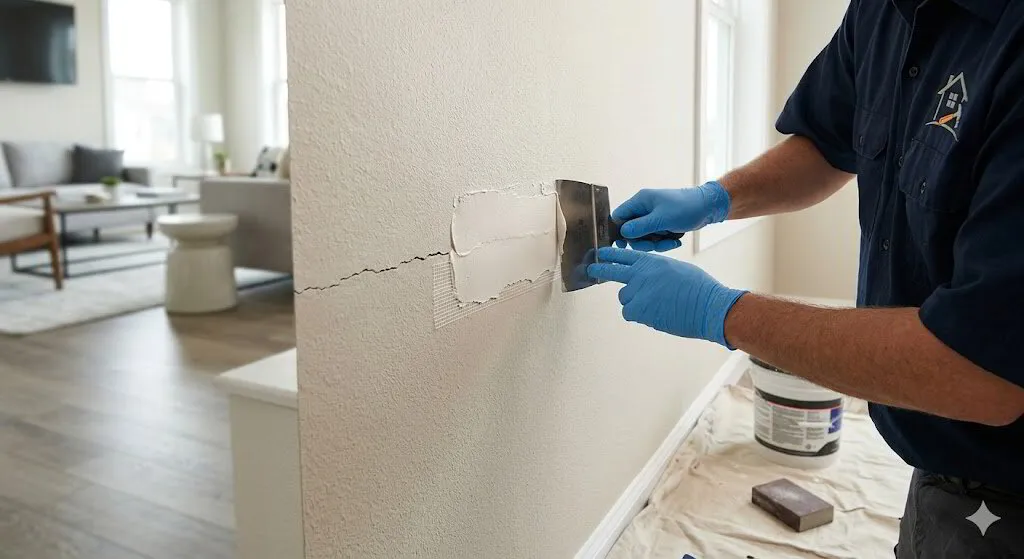
Flawless Walls: The Complete Guide to Professional Drywall Crack Repair
Expert Guide to Professional Drywall Crack Repair Services Discovering cracks in your drywall can be frustrating, whether you're a homeowner dealing w…