High Quality Drywall Repair Craftsmanship Explained
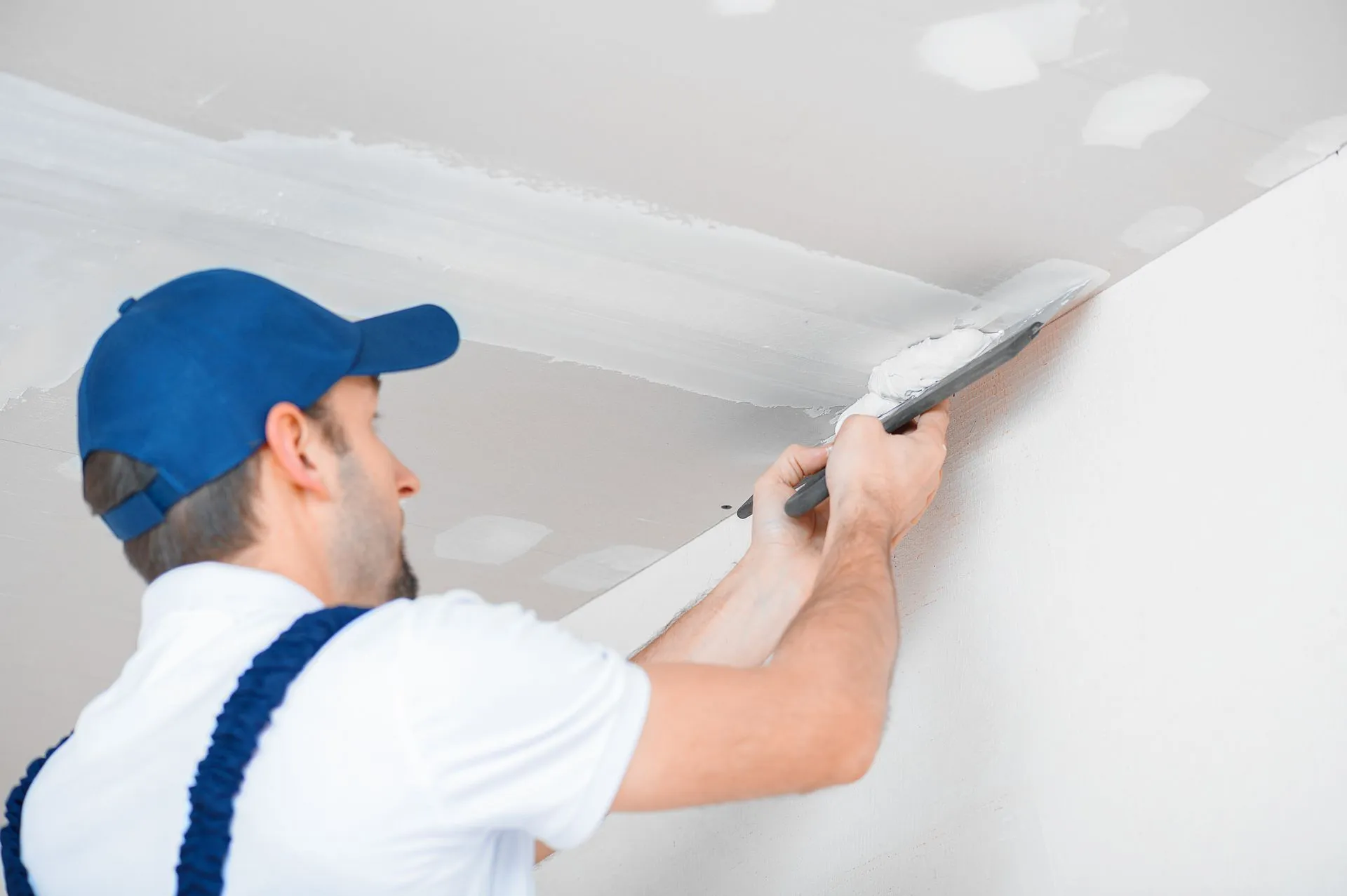
High-quality drywall repair craftsmanship can make all the difference between a flawless home
and one riddled with imperfections. Did you know that poorly executed drywall repairs can not
only detract from your home's aesthetic appeal but can also lead to issues like moisture damage
and structural instability? Whether you're dealing with unsightly cracks, water stains, or outdated
plaster, understanding the fundamentals of drywall repair is essential for maintaining a beautiful
and safe living environment. In this blog post, we’ll delve into the essential elements of
high-quality drywall repair craftsmanship, equipping you with the knowledge you need to make
informed decisions for your home’s renovation and repair projects.
Understanding High-Quality Drywall
Repair Craftsmanship
High-quality drywall repair craftsmanship is essential for maintaining the aesthetic and structural
integrity of your home. This term encompasses not only the skills and techniques employed by
professionals but also the materials and methods used to achieve flawless results. When it
comes to drywall repair, the excellence of craftsmanship defines the difference between a
temporary fix and a lasting solution.
Key Characteristics of High-Quality Drywall Repair
To identify high-quality drywall repair craftsmanship, consider the following characteristics:
- Attention to Detail: Every small imperfection matters. Skilled craftsmen ensure that
seams are smooth, textures match, and paint adheres properly.
- Use of Premium Materials: High-quality repair requires top-notch materials. This
includes moisture-resistant drywall for areas prone to water damage, along with quality
joint compounds and tapes.
- Skilled Labor and Experience: Craftsmanship is honed with practice. Experienced
drywall repair professionals have a deep understanding of various techniques, ensuring
they select the best method for each unique job.
- Clean and Efficient Work Practices: Professional tradespeople take pride in their work
area. They ensure that the job site is clean and that materials are used efficiently to
minimize waste.
The Drywall Repair Process Explained
Understanding the process behind high-quality drywall repair can help homeowners appreciate
the craftsmanship involved and make informed decisions. Here’s a breakdown of the typical
repair process:
1. Initial Assessment and Diagnosis: Professionals will assess the damage to determine
the best course of action—be it a patch for minor dents or a complete replacement for
extensive damage.
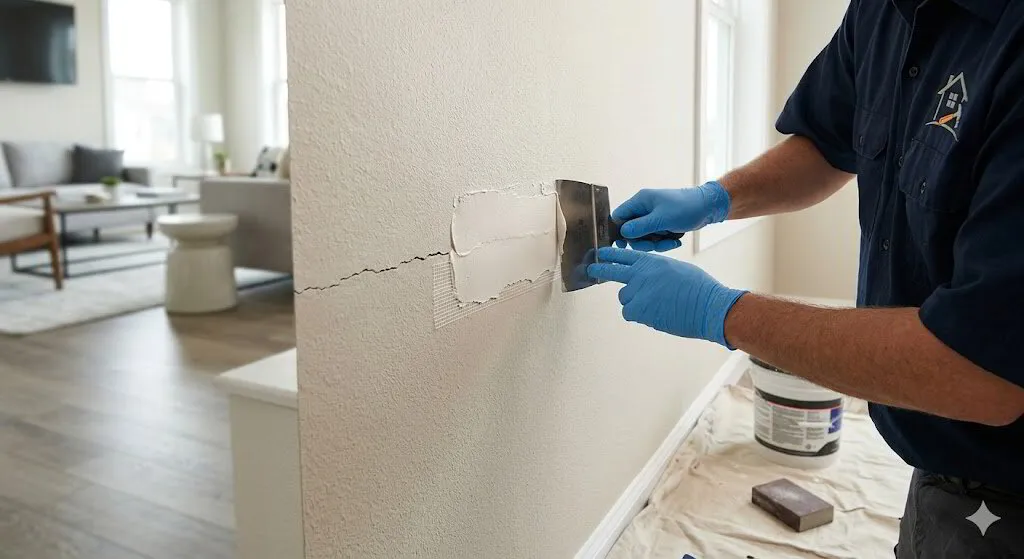
2. Preparing the Area for Repair: This involves clearing the area of furniture, laying down
drop cloths, and ensuring adequate lighting for a detailed repair process.
3. Repair Techniques:
○ Patching: Ideal for smaller holes and cracks; it involves cutting out the damaged
drywall and replacing it with a new patch.
○ Replacement: Larger areas or extensive water damage require full panel
replacement for structural integrity.
4. Finishing Touches: After repairing, the craftsman will:
○ Tape seams to prevent cracking
○ Apply joint compound (mud) for a smooth finish
○ Sand down the area for a seamless look before painting
For further insights, check out USG, a leader in drywall products and solutions, which can
provide additional information on drywall types and their applications.
Maintaining Your Repair for Longevity
Once the life-saving high-quality drywall repair craftsmanship is completed, maintenance is key
to ensuring its durability. Helpful tips include:
- Regularly inspect for signs of moisture or cracks
- Use dehumidifiers in high-humidity areas
- Ensure proper ventilation indoors to minimize moisture buildup
By understanding and valuing high-quality drywall repair craftsmanship, homeowners can make
informed choices that enhance the beauty and durability of their living spaces.
Common Types of Drywall Damage
Understanding the various types of drywall damage is essential for recognizing when
professional help is needed. High-quality drywall repair craftsmanship can address a multitude
of issues, ensuring that your walls are restored to their original condition. Here are some
common types of drywall damage:
1. Water Damage: Often the result of leaks or flooding, water damage can compromise the
integrity of drywall, leading to mold growth and structural weakness. Quality
craftsmanship is crucial for properly assessing and repairing water-damaged areas.
2. Holes and Cracks: Accidental impacts, such as doorknobs hitting walls or furniture
bumps, can leave unsightly holes or cracks. High-quality repairs involve patching and
reinforcing these areas to prevent further deterioration.
3. Texture Removal and Surface Repair: Changing the style of a room may require
removing textured finishes. A skilled craftsman can smooth the surface effectively,
preparing it for repainting or retexturing applications.
4. Transitioning from Plaster to Drywall: In older homes, you may encounter plaster walls.
Converting these to drywall is labor-intensive and requires expertise to ensure a seamless
transition that maintains the integrity and appearance of your home.
Benefits of Hiring Professionals for High-Quality Drywall Repair
When dealing with these common issues, hiring professionals for high-quality drywall repair
craftsmanship can provide several advantages:
- Time Savings: Professionals can complete repairs quickly and efficiently, allowing
homeowners to return to their daily activities sooner.
- Ensured Longevity of Repairs: Skilled craftsmen use proper techniques and materials,
ensuring that repairs last longer and resist future damages.
- Customized Solutions for Unique Situations: Every home is different, and
professionals can tailor solutions that fit your specific needs and aesthetic preferences.
For more information on types of drywall and best practices, visit the National Gypsum website,
which offers a wealth of knowledge about drywall applications and standards.
By addressing these common types of drywall damage with high-quality drywall repair
craftsmanship, homeowners can enjoy a safe, visually appealing, and structurally sound living
environment.
Choosing the Right Drywall Repair
Company
Selecting a qualified drywall repair company is crucial for achieving high-quality drywall repair
craftsmanship. With many options available, it’s essential to know what to look for and how to
choose the right service provider for your needs. Here are some key factors to consider:
- Experience and Expertise: Look for companies with a proven track record in drywall
repair. Experienced professionals can tackle various types of damage and provide tailored
solutions.
- Quality of Materials: Inquire about the materials the company uses for repairs.
High-quality drywall repair craftsmanship relies on premium materials that ensure
durability and aesthetics.
- Customer Reviews and Ratings: Check online reviews and ratings. Testimonials from
previous clients can give you insight into a company's reliability and craftsmanship.
- Detailed Quotes: A reputable drywall repair company should provide a detailed quote
that outlines the scope of work, materials used, and timelines. This transparency is key to
avoiding unexpected costs.
- Warranty and Insurance: Ensure that the company offers a warranty on their work.
Adequate insurance coverage is also essential, protecting you from liability in case of
accidents during the repair process.
Questions to Ask Potential Contractors
When interviewing drywall repair companies, consider asking these questions:
- What specific experience do you have with drywall repairs similar to mine?
- Can you provide references from past clients?
- How long will the project take, and when can you start?
- What type of materials do you recommend and why?
- What are your payment terms?
By asking these questions, you can better gauge the company’s expertise and commitment to
high-quality drywall repair craftsmanship.
For further guidance on selecting qualified contractors, the Better Business Bureau offers
resources and tips to help consumers make informed decisions.
Investing the time to choose the right drywall repair company will not only save you money in
the long run but also ensure that your repairs meet the highest standards of quality and
craftsmanship.
Maintaining Your Repair for Longevity
After investing in high-quality drywall repair craftsmanship, it’s essential to implement
maintenance practices that will help prolong the life of your repairs and prevent future damage.
Here are some practical tips for homeowners:
1. Regular Inspections: Periodically check the repaired areas for signs of new damage,
such as cracks or moisture spots. Catching issues early can prevent bigger problems later
on.
2. Proper Ventilation: Ensure that areas prone to moisture, such as bathrooms and
kitchens, are well-ventilated. This can help reduce humidity levels and prevent mold
growth, thereby preserving the integrity of your drywall.
3. Painstaking Painting: When repainting areas that have undergone repairs, use
high-quality paint that is compatible with the drywall surface. This not only improves
aesthetics but also adds an extra layer of protection against moisture.
4. Avoiding Impact: Be mindful of furniture placement and daily activities that might cause
unintentional damage to walls. Using corner guards in high-traffic areas can protect your
drywall from nicks and dents.
5. Addressing Leaks Promptly: If you notice any leaks or water damage, address them
immediately. Delayed repairs can lead to further complications and require significant
remediation efforts.
For additional resources on home maintenance, the Home Improvement Research Institute
provides valuable insights and guidelines to help homeowners maintain their properties
effectively.
By implementing these proactive maintenance strategies, you can ensure that the high-quality
drywall repair craftsmanship holds up over time, maintaining both the beauty and functionality of
your home’s interiors.
Conclusion
In conclusion, high-quality drywall repair craftsmanship is essential for maintaining both the
aesthetic appeal and structural integrity of your home. Understanding the characteristics and
processes involved in drywall repair empowers homeowners to make informed decisions when
selecting a repair service. From recognizing the types of damage to choosing the right
professionals and committing to maintenance, each step plays a key role in ensuring
long-lasting results.
Prioritizing high-quality repairs will not only enhance the beauty of your living space but will also
protect your investment in your home. As you engage with contractors and make repair choices,
remember to:
- Assess the Damage: Identify the specific issues needing repair.
- Research: Look for experienced professionals who specialize in drywall.
- Implement Maintenance: Establish a routine to keep your repairs looking great for years.
For further learning about drywall and related topics, you may want to visit the Gypsum
Association, which offers educational resources and guidelines for homeowners.
By appreciating the value of high-quality drywall repair craftsmanship, you can ensure that your
repairs not only meet your immediate needs but also enhance the overall comfort and value of
your home in the long run.
The Importance of High-Quality Drywall Repair Craftsmanship
High-quality drywall repair craftsmanship plays a crucial role in the overall maintenance and
aesthetic appeal of residential and commercial spaces. When drywall is repaired correctly, it not
only enhances the visual aspects of a room but also ensures its structural integrity. Here are
some reasons why investing in quality craftsmanship is essential:
1. Durability: Quality repairs ensure that the drywall can withstand everyday wear and tear.
Proper installation and finishing techniques significantly reduce the risk of damage
reoccurring.
2. Improved Aesthetics: A well-executed drywall repair blends seamlessly with the
surrounding areas. This contributes to a polished look, which is essential for maintaining a
home’s overall appearance.
3. Value Addition: Homes with high-quality repairs tend to attract more buyers and can
fetch higher resale values. Prospective homeowners appreciate the quality of
workmanship in repairs, viewing it as a sign of a well-maintained property.
4. Prevention of Future Issues: High-quality craftsmanship not only fixes the present
problem but also prevents potential future issues, such as mold growth or structural
instability, particularly in areas prone to moisture.
5. Safety Considerations: Properly repaired drywall safeguards against potential hazards.
For instance, water-damaged drywall can pose health risks due to mold and mildew;
quality repairs mitigate these risks.
For those looking to deepen their understanding of drywall products and their benefits, you can
visit the National Gypsum Company, where a wealth of information regarding drywall and its
applications can be found.
In essence, prioritizing high-quality drywall repair craftsmanship reflects a commitment to
maintaining a safe, attractive, and valuable living environment. When considering repairs,
always opt for skilled professionals who understand the importance of top-notch workmanship.
Common Misconceptions about High-
Quality Drywall Repair Craftsmanship
When it comes to drywall repair, several misconceptions can lead to poor choices or unrealistic
expectations among homeowners. Understanding these common misconceptions can help
ensure that you appreciate the value of high-quality drywall repair craftsmanship and make
informed decisions moving forward. Here are some prevalent myths:
1. DIY Repairs are Always Sufficient: While minor repairs may seem manageable, many
homeowners underestimate the complexity of drywall work. High-quality repairs often
require specialized skills, tools, and techniques that professionals possess, ultimately
leading to better results.
2. All Drywall is the Same: Many people believe that all drywall materials offer equal
durability and performance. In reality, various types of drywall exist, each designed for
specific applications, such as moisture-resistant or fire-rated drywall. Quality
craftsmanship entails selecting the right type for the job.
3. Repairs Are Simple and Quick: Many assume that drywall repairs can be done in a
single afternoon. However, achieving a thorough repair often involves several steps, such
as drying time for joint compound, sanding, and finishing. High-quality work takes time to
ensure the best results.
4. Cost is the Only Indicator of Quality: While pricing can be a factor in quality, it’s not the
only determinant. A higher price doesn’t always guarantee superior craftsmanship, nor
does a lower price indicate poor quality. It’s essential to evaluate reviews, past work, and
the contractor's reputation as well.
5. Once Repaired, No Maintenance is Needed: Even high-quality drywall repairs require
aftercare and periodic inspections. Homeowners should maintain their repaired areas to
ensure longevity and prevent future issues, particularly in moisture-prone areas.
To learn more about drywall materials, the American Gypsum website provides a wealth of
resources and guides for homeowners.
By dispelling these misconceptions, homeowners can better navigate their drywall repair
decisions. Prioritizing high-quality drywall repair craftsmanship ensures that repairs are not only
effective but also contribute positively to your home’s value and aesthetic appeal.
The Role of Technology in High-Quality Drywall Repair Craftsmanship
Advancements in technology have significantly transformed the landscape of high-quality
drywall repair craftsmanship. Traditional methods continue to hold value, but the introduction of
innovative tools and techniques has enhanced the efficiency, accuracy, and results of drywall
repairs. Here’s how technology plays a role in improving craftsmanship:
1. Laser Levels: The use of laser levels allows for precise measurements and alignment
during drywall installation and repair. This ensures that walls are straight and that all
finished surfaces flow seamlessly, which is crucial for aesthetics.
2. Digital Measurement Tools: Tools like digital calipers and tape measures help
professionals take accurate measurements quickly, reducing human error and
streamlining the repair process.
3. Advanced Joint Compounds: New formulations of joint compounds offer better
adhesion, faster drying times, and increased resistance to cracking. These high-quality
compounds are easier to sand and finish, resulting in smoother surfaces.
4. Spray Texture Equipment: For those looking to apply texture to drywall, modern spray
texture equipment allows for even distribution, reducing labor time and increasing
accuracy compared to traditional hand methods.
5. Virtual Reality and Training: Many companies now utilize virtual reality (VR) and
augmented reality (AR) for training purposes. These technologies can simulate real-life
scenarios for workers, enhancing their skills and knowledge of high-quality drywall repair
craftsmanship without the risks associated with actual repair jobs.
For more insights into the latest tools and trends in drywall repair, the RYOBI website offers a
wide range of tools and resources to stay updated on innovative equipment for home
improvement projects.
Embracing technology in drywall repair not only optimizes the craftsmanship but ensures that
homeowners receive results that are durable, visually appealing, and efficiently completed. As
professionals become more adept with these innovations, the standard of high-quality drywall
repair craftsmanship continues to rise.
What is high-quality drywall repair craftsmanship?
High-quality drywall repair craftsmanship refers to the skill and techniques used by
professionals to restore or install drywall seamlessly and effectively. This includes using the best
materials, employing precise measurements, and executing finishing techniques that ensure a
smooth and durable surface, resulting in repairs that enhance both the aesthetic and structural
integrity of a space.
How can I tell if I need drywall repair?
Signs that indicate you may need drywall repair include visible cracks or holes, water stains,
mold growth, or sagging panels. If you notice any of these issues, it’s crucial to assess the
extent of the damage and consider professional help to ensure a proper and lasting repair.
Can I do drywall repairs myself?
While some minor drywall repairs can be tackled by homeowners, such as filling small holes or
cracks, more extensive damage often requires the expertise of a professional. High-quality
drywall repair craftsmanship involves specialized skills, tools, and materials that ensure
durability and a seamless finish, making it advantageous to hire a skilled contractor for
significant repairs.
What should I look for when hiring a drywall repair company?
When hiring a drywall repair company, focus on their experience, customer reviews, and the
quality of materials they use. Additionally, it’s important to ask for detailed quotes, warranties on
their work, and any relevant credentials that indicate their expertise in high-quality drywall
repair craftsmanship.
How can I maintain my drywall repairs?
To maintain your drywall repairs, conduct regular inspections for signs of damage, such as
cracks or moisture. Ensure proper ventilation in areas prone to humidity and address any leaks
promptly. Additionally, use compatible high-quality paint when repainting to protect the repaired
surfaces and enhance their longevity.
Inside the Walls The Patch Guys Break
Down What True Drywall Craftsmanship Looks Like
At The Patch Guys, we believe drywall repair is more than just patching holes—it's a craft that
requires precision, patience, and pride in every detail. True craftsmanship shows in seamless
finishes, smooth blends, and repairs that completely disappear into the wall. In this post, we’re
pulling back the curtain on what sets high-quality drywall work apart from the rest. From the
materials we use to the techniques our pros have mastered over years of hands-on experience,
we’ll explain how real skill transforms damaged walls into flawless surfaces you can trust to last.

Related Articles
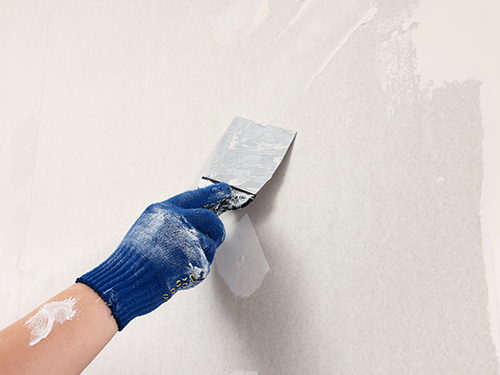
Ultimate Guide: How To Repair Textured Walls Like A Pro
Ultimate Guide: How to Repair Textured Walls Like a Pro Textured walls have become a defining feature in countless homes across Southeastern Michigan,…
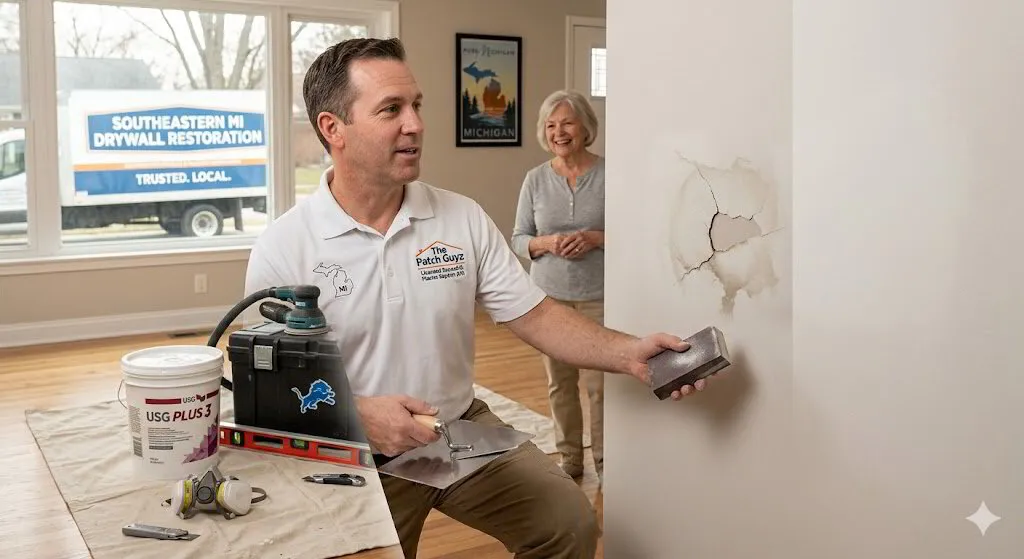
The Ultimate Guide to Finding the Best Drywall Repair Services Near You
Finding the Best Drywall Repair Services Near You: A Comprehensive Guide When damage strikes your walls or ceilings, finding reliable repair services …
Flawless Walls: The Complete Guide to Professional Drywall Crack Repair
Expert Guide to Professional Drywall Crack Repair Services Discovering cracks in your drywall can be frustrating, whether you're a homeowner dealing w…