Fixing Drywall Holes and Cracks Professionally
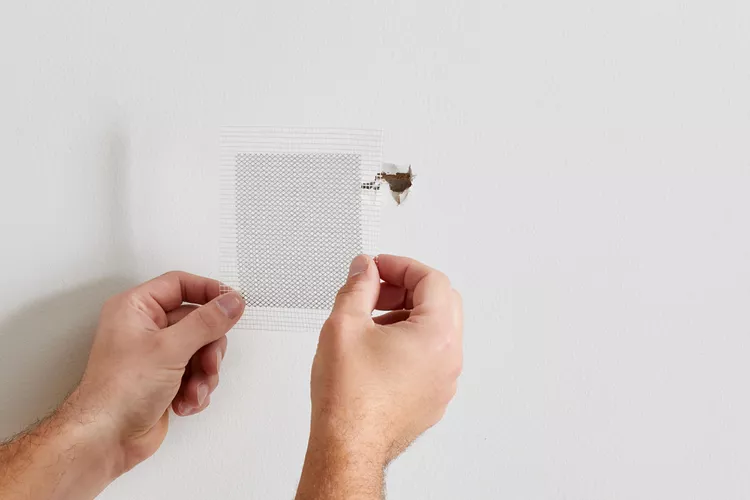
Fixing drywall holes and cracks professionally can transform not just the appearance of your
walls, but also the overall aesthetic of your home. Did you know that unaddressed drywall
damage can lead to increased repair costs and safety hazards over time? Whether caused by
everyday wear and tear, accidents, or moisture issues, drywall damage is a common household
problem that many homeowners face. Taking the time to understand the importance of
professional drywall repair not only protects your investment but also enhances your living
space. In this blog post, we will explore the significance of addressing drywall damage promptly,
the tools needed for effective repair, and the step-by-step process to ensure your walls look
brand new.
Understanding Drywall Damage
Drywall damage can manifest in various forms, often caused by everyday wear and tear,
exposure to moisture, or settling of your home’s structure. To effectively address these issues,
it’s important to recognize the types of drywall damage you may encounter:
- Holes: Often caused by accidents, such as wall impacts, or the removal of fixtures.
- Cracks: Typically a result of settling or shifts in the building structure. Can vary in size
and severity.
- Water Damage: Usually associated with leaks or high humidity, leading to mold growth
and deterioration.
Understanding these types of damage is crucial when considering fixing drywall holes and
cracks professionally. Not only can addressing these issues improve the aesthetics of your
space, but it can also uphold the safety and integrity of your home.
Why Fixing Drywall Holes and Cracks Professionally Matters
When it comes to fixing drywall holes and cracks professionally, there are compelling reasons to
consider hiring an expert.
- Structural Integrity: Poorly repaired drywall can lead to further issues, including mold
and structural instability.
- Aesthetic Appeal: Professional repairs ensure a seamless look, matching the
surrounding wall perfectly.
- Cost-Effectiveness: While DIY repairs may seem cheaper initially, mistakes can result in
costly repairs later on.
By choosing to engage professionals like The Patch Guyz, you can be confident in the quality
and longevity of the repairs.
Tools and Materials for Professional Repair
To achieve the best results when fixing drywall holes and cracks professionally, having the right
tools and materials is essential. Here’s a list of what you’ll typically need:
- Essential Tools:
○ Drywall saw
○ Putty knife
○ Sanding sponge or pole sander
○ Measuring tape
○ Utility knife
- Recommended Materials:
○ Joint compound
○ Drywall tape (paper or mesh)
○ Primer and paint
- Safety Equipment:
○ Dust mask
○ Safety goggles
○ Gloves
These tools and materials will ensure a thorough and professional finish to any drywall repair.
Steps to Fix Drywall Holes and Cracks
Professionally
Fixing drywall holes and cracks professionally involves a series of steps that guarantee a
high-quality outcome. Here’s a streamlined process to follow:
1. Assessing the Damage: Identify the extent of the damage to determine the appropriate
repair method.
2. Preparation: Clear the area of furniture and personal items, and create a clean
workspace.
3. Filling Holes and Cracks:
○ For small holes, use a putty knife to apply joint compound directly.
○ For larger holes, cut a piece of drywall to fit, secure it in place, and then tape
around the edges.
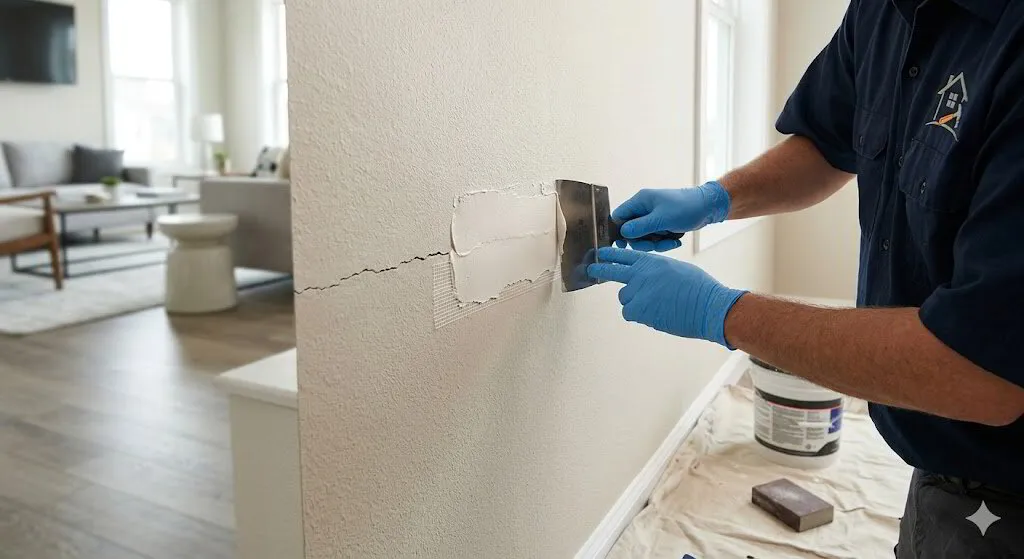
4. Taping and Finishing: Apply drywall tape over joints and seams, spreading a thin layer
of joint compound over the tape.
5. Sanding and Priming: Once the compound is dry, sand it down to a smooth finish and
apply primer.
6. Painting: Finally, paint the repaired area to match the surrounding wall.
Following these steps closely will lead to effective results, making your walls look as good as
new.
When to Call in the Experts
While many minor drywall repairs can be handled as DIY projects, there are clear indicators that
professional help is needed.
- Extensive Damage: Large holes or significant cracks that compromise the wall’s integrity.
- Water Damage: Signs of mold or extensive water damage indicate that professional
expertise is required.
- Structural Concerns: If you suspect that the damage is related to structural issues, it’s
crucial to consult a professional immediately.
The Patch Guyz offers comprehensive repair services in the Detroit area, ensuring that your
drywall gets the expert attention it deserves. Visit The Patch Guyz for more information.
Maintaining Drywall Integrity
Preventing future damage to your drywall is just as important as the repairs themselves. To
keep your walls looking great and in good condition, consider the following tips:
- Regularly inspect for signs of wear or moisture.
- Address leaks in plumbing and roofing promptly.
- Use dehumidifiers in areas prone to moisture.
- Seal any gaps or openings to prevent drafts and settling.
By implementing these preventive measures, you can prolong the life and appearance of your
drywall, saving you time and money in the long run.
Conclusion
In summary, fixing drywall holes and cracks professionally is crucial for both the aesthetics and
structural integrity of your home. Proper repairs not only enhance the beauty of your walls but
also prevent further damage that can result in costly repairs down the line. By recognizing the
different types of drywall damage, understanding the importance of professional repairs, and
following a detailed repair process, homeowners can ensure their spaces remain inviting and
safe.
Investing in professional services, like those offered by The Patch Guyz, saves time and
guarantees high-quality results. Their expertise can transform your walls, leaving them looking
pristine and unscathed.
If you're a homeowner in the Detroit area struggling with drywall issues, don’t hesitate to reach
out for help. For more information on professional drywall repairs, visit Home Depot to explore
resources and products that can assist you in maintaining your home’s integrity.
Remember, well-maintained drywall contributes to a healthy, beautiful home environment,
making it worth the effort to address any damage promptly.
When to Call in the Experts
While many homeowners may feel inclined to tackle minor repairs, certain situations necessitate
the expertise of professionals for fixing drywall holes and cracks professionally. Recognizing
when to call in the experts is key to ensuring long-lasting results and maintaining the integrity of
your home.
Signs Indicating Professional Intervention is Needed
- Extensive Damage: Large holes or deep cracks that extend beyond simple repairs
require professional evaluation to ensure the wall's structure remains intact.
- Water-Related Issues: If you notice bubbling, mold, or discoloration, it could indicate a
significant water problem, which needs prompt professional help to avoid further damage.
- Structural Concerns: If the walls exhibit signs of unevenness or bowing, it Often
indicates foundational issues that require an expert's assessment.
- Multiple Repairs: If you find yourself repeatedly fixing the same issues, it might be time
to consider a comprehensive repair from professionals who can address underlying
causes.
Benefits of Hiring The Patch Guyz
Choosing a professional service like The Patch Guyz can save you time, effort, and strive
toward ensuring that the repairs are done correctly the first time. Here are some advantages:
- Expertise: Professionals have the training and tools necessary to handle various drywall
issues efficiently.
- Quality Assurance: You can expect a finished product that matches the original aesthetic
and functionality of your walls.
- Time-Saving: Professionals can complete the work quickly and effectively, freeing up
your time for other important tasks around your home.
For homeowners in the Detroit area experiencing drywall issues, contacting The Patch Guyz is
a smart decision. Their specialized services can help restore your walls to pristine condition. To
learn more about their offerings, visit Lowe's for additional resources.
Maintaining Drywall Integrity
Once you've invested time and resources in fixing drywall holes and cracks professionally, it's
essential to focus on proper maintenance to prevent future damage. Regular upkeep will not
only extend the life of your repairs but also keep your walls looking freshly finished.
Tips for Preventing Future Drywall Damage
- Regular Inspections: Periodically check your walls for any signs of new cracks or holes,
particularly in high-traffic areas or rooms prone to moisture.
- Address Leaks Promptly: Fixing plumbing or roof leaks immediately will help minimize
water damage, which can weaken drywall over time.
- Use Humidity Control: In areas like basements or bathrooms, utilizing dehumidifiers can
help prevent moisture buildup that leads to mold and drywall deterioration.
- Iron Out Structural Issues: If you notice signs of settling, such as cracks near doors and
windows, consult a professional to evaluate your home's foundation.
- Proper Ventilation: Ensure that areas prone to moisture have adequate ventilation to
reduce humidity levels. Exhaust fans in bathrooms and kitchens can be particularly
beneficial.
By implementing these maintenance strategies, you can protect your investment and ensure
that your walls remain in excellent condition for years to come.
For more insights on home improvement and maintenance, check out resources from
HomeAdvisor to help you stay informed on the best practices for maintaining your home.
Steps to Fix Drywall Holes and Cracks Professionally
Successfully fixing drywall holes and cracks professionally requires a systematic approach to
ensure quality results. Whether you're a DIY enthusiast or considering hiring a professional,
understanding the detailed steps involved in this process can help you achieve the best
outcome.
Step-by-Step Guide to Repair Drywall Damage
1. Assess the Damage: Begin by inspecting the area. Small holes may require different
techniques compared to larger holes and significant cracks.
2. Gather Necessary Tools and Materials:
○ Tools: Drywall saw, putty knife, measuring tape, utility knife, sanding sponge.
○ Materials: Joint compound, drywall tape (paper or mesh), primer, paint.
○ Safety Equipment: Dust mask, safety goggles, gloves.
3. Preparation of the Space:
○ Clear the area around the damage to avoid any mess during the repair.
○ Place a drop cloth on the floor to catch dust and debris.
4. Filling Holes and Cracks:
○ For small holes (like those from nails), use a putty knife to apply joint compound
directly over the hole.
○ For medium-sized holes (up to 6 inches), cut a piece of drywall slightly larger than
the hole, secure it, and then tape around the edges before applying joint compound.
○ For larger holes, consider using a patch kit that includes a piece of drywall and
tape.
5. Taping and Finishing:
○ Apply drywall tape to joints and seams to reinforce the repair.
○ Spread a thin layer of joint compound over the tape, feathering it out to blend with
the surrounding wall.
6. Sanding and Priming:
○ Once the joint compound is dry, sand it down until the surface is smooth and flush
with the wall.
○ Apply a coat of primer to seal and prepare the surface for painting.
7. Painting:
○ Finally, paint the repaired area to match the rest of your wall. This step ensures a
seamless finish, making the repair nearly invisible.
By following these steps, you can effectively achieve a high-quality repair that looks
professional. If you find the task daunting, consider hiring professionals who specialize in fixing
drywall holes and cracks professionally. For additional information on drywall products and
supplies, visit The Home Depot for resources and tools.
Tools and Materials for Professional
Repair
When it comes to fixing drywall holes and cracks professionally, having the right tools and
materials is essential for achieving a flawless finish. Investing in quality equipment not only
streamlines the repair process but also helps you produce more durable and long-lasting
results.
Essential Tools for Drywall Repair
To tackle drywall repairs effectively, consider using the following tools:
- Drywall Saw: Ideal for cutting out damaged sections of drywall and making precise cuts.
- Putty Knife: Essential for applying joint compound smoothly over the damaged area.
- Utility Knife: Useful for trimming drywall and creating clean edges.
- Measuring Tape: Helps ensure accurate measurements when cutting new drywall pieces.
- Sanding Sponge: Provides a smooth finish to the repaired area by removing any excess
joint compound.
Recommended Materials for Repairing Drywall
In addition to the right tools, the following materials are necessary for achieving high-quality
repairs:
- Joint Compound: Used to fill holes and cover seams, providing a smooth surface for
painting.
- Drywall Tape: Mesh or paper tape helps reinforce the joints and prevents cracks from
reappearing.
- Primer: Provides a base coat to seal the joint compound and prepare the area for
painting.
- Paint: Choose a paint color that matches the surrounding wall for a seamless finish.
Safety Equipment to Consider
It’s important to prioritize safety while making repairs. Be sure to use:
- Dust Mask: Protects your lungs from drywall dust and debris.
- Safety Goggles: Shields your eyes from flying particles during cutting and sanding.
- Gloves: Prevents skin irritation and cuts from sharp materials.
Having the right tools and materials is crucial when fixing drywall holes and cracks
professionally. By equipping yourself appropriately, you can ensure a more efficient and
aesthetically pleasing repair. For more insights and product options, explore Lowe's, which
offers a comprehensive range of drywall repair tools and materials to get the job done right.
Why Fixing Drywall Holes and Cracks Professionally Matters
Understanding the importance of fixing drywall holes and cracks professionally can save
homeowners from unnecessary stress and long-term costs. While it may be tempting to tackle
such repairs on your own, professional assistance often yields a superior outcome.
Importance of Professional Repairs
- Structural Integrity: Professional repairs ensure that your walls maintain their strength.
Poorly done repairs can lead to future structural issues, especially if heavy objects are
hung on walls that have been inadequately fixed.
- Aesthetic Appeal: Professionals have the expertise to produce flawless finishes. When
drywall is repaired correctly, it blends seamlessly with the surrounding wall, creating a
polished look that enhances your home’s overall appearance.
- Cost-Effectiveness: Addressing repairs early with professionals can prevent more
extensive damage down the road. Fixing small holes may seem minor, but if left
unattended, they can morph into larger issues requiring more expensive solutions.
Benefits of Hiring Experts
Choosing to hire professionals like The Patch Guyz has numerous advantages, including:
- Expert Knowledge: Professionals understand the intricacies of drywall repair, from
assessing the type of damage to selecting the right materials and techniques for each
situation.
- Time Savings: Professionals can complete the repair work faster than an average
homeowner, allowing you to focus on your daily routine without disruption.
- Guaranteed Satisfaction: Most professional services provide a guarantee on their work,
giving you peace of mind that the job will be done right the first time.
In conclusion, while DIY projects can be satisfying, fixing drywall holes and cracks
professionally ensures a safe, effective, and aesthetically pleasing result. For more information
on home repair services, check out Angie's List to find trusted professionals in your area.
What types of damage can drywall sustain?
Drywall can sustain various types of damage, including holes from nails or impact, cracks from
settling or structural shifts, and water damage due to leaks or high humidity. Each type of
damage may require different repair methods to restore the wall’s integrity and appearance.
How can I determine if I need to fix drywall myself or hire a
professional?
If the damage is minor, such as small nail holes or hairline cracks, you may be able to handle
the repair yourself. However, for larger holes, significant cracks, or signs of water damage, it’s
best to consult a professional to ensure the repairs are done correctly and safely.
What tools will I need for fixing drywall holes and cracks?
To fix drywall holes and cracks, you generally need tools such as a drywall saw, putty knife,
utility knife, measuring tape, and sanding sponge. Additionally, materials like joint compound,
drywall tape, primer, and paint are essential for completing the repair.
How long does it typically take to fix drywall holes and cracks?
The time it takes to fix drywall varies depending on the extent of the damage. Minor repairs
might take a couple of hours, while larger projects can take several hours or even days,
especially if multiple layers of joint compound and sanding are involved.
Can I paint over repaired drywall immediately after fixing?
No, it’s essential to wait for the joint compound to dry completely before painting. This drying
process usually takes at least a few hours, but it's best to check the manufacturer's instructions
to ensure optimal results. Additionally, priming the repaired area before painting will help
achieve a smooth and uniform finish.
Seamless Wall Repairs Done Right
Expert Solutions for Holes and
Cracks in Drywall
Even the smallest hole or crack in your drywall can throw off the look of your entire room. At
The Patch Guys, we treat every repair—big or small—with expert precision and a clean finish
you can count on. From accidental dings to long-running stress cracks, our team uses proven
techniques and professional materials to restore your walls to their original condition. We don’t
just patch—we perfect, making sure every job blends seamlessly with the surrounding surface
for results that last.

Related Articles
Ultimate Guide: How To Repair Textured Walls Like A Pro
Ultimate Guide: How to Repair Textured Walls Like a Pro Textured walls have become a defining feature in countless homes across Southeastern Michigan,…
The Ultimate Guide to Finding the Best Drywall Repair Services Near You
Finding the Best Drywall Repair Services Near You: A Comprehensive Guide When damage strikes your walls or ceilings, finding reliable repair services …
Flawless Walls: The Complete Guide to Professional Drywall Crack Repair
Expert Guide to Professional Drywall Crack Repair Services Discovering cracks in your drywall can be frustrating, whether you're a homeowner dealing w…