Durable Plaster to Drywall Conversion Services (1)
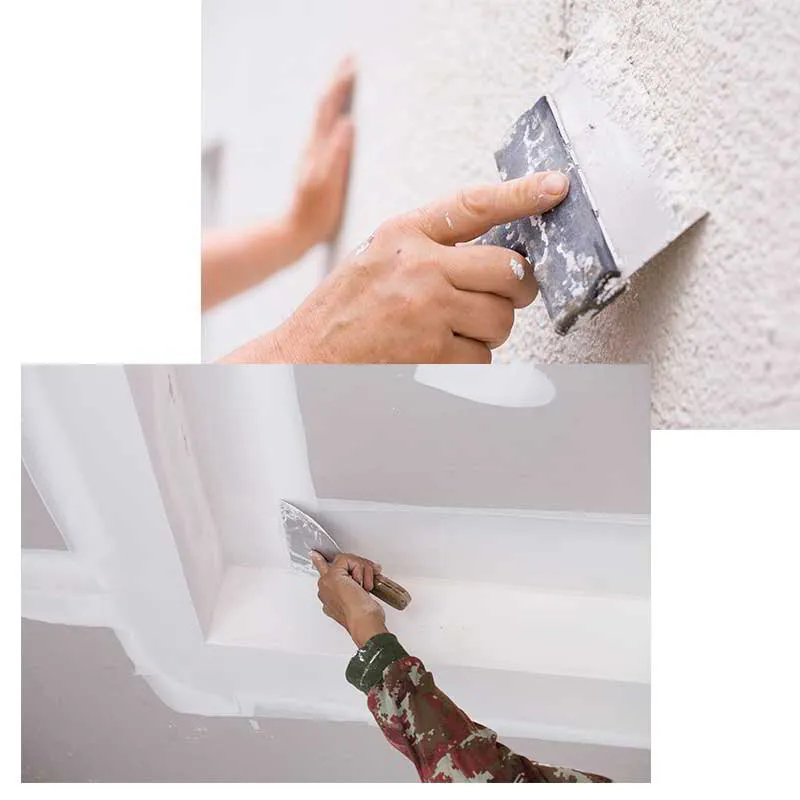
Are you tired of dealing with the cracks, chips, and dampness associated with old plaster walls?
If so, you’re not alone. Many homeowners today are discovering the benefits of durable plaster
to drywall conversion services as a solution to outdated and deteriorating wall finishes. This
transition can lead to not only a fresh and modern look but also a more functional and efficient
home environment. In this blog post, we will explore the signs that indicate it's time for a
conversion, the advantages of making the switch, and what you can expect from the conversion
process. Say goodbye to the troubles of plaster and hello to the enduring quality of drywall!
Understanding the Need for Durable Plaster to Drywall Conversion Services
Plaster walls have long been a staple in many homes, offering a classic look and feel.
However, as homes age, these plaster surfaces can develop various issues that often
necessitate repairs or even complete replacements. This is where durable plaster to drywall
conversion services come into play, providing homeowners with a practical and modern solution.
Common Issues with Plaster Walls
- Cracks and Crumbling: Over time, plaster can crack or crumble, leading to unsightly
walls and potential structural issues.
- Water Damage: Moisture can easily penetrate plaster, leading to mildew or mold growth.
- Limited Insulation: Traditional plaster lacks the insulation properties of modern drywall.
Benefits of Converting to Drywall
Switching from plaster to drywall can offer numerous advantages, including:
- Enhanced Durability: Drywall is less prone to cracking and can withstand impacts better
than plaster.
- Improved Energy Efficiency: With proper installation, drywall can enhance insulation,
keeping your home comfortable year-round.
- Simplified Repairs: Drywall is generally easier and quicker to repair than plaster, saving
time and money.
Overview of Drywall Materials and Durability
Modern drywall solutions are designed with durability in mind, often featuring moisture-resistant
properties ideal for different environments. These materials can significantly contribute to less
maintenance over time, making durable plaster to drywall conversion services a sound
investment for your home.
For more information on drywall types and how they can benefit your home, visit National Gypsum.
Signs It's Time for a Conversion
Recognizing when it's time to switch from plaster to drywall can save homeowners a lot of
trouble and expense in the long run. Below are key signs indicating that you may benefit from
durable plaster to drywall conversion services.
Identifying Damage in Plaster
Before considering a conversion, it's crucial to assess the condition of your existing plaster.
Look for:
- Visible Cracks: Deep or wide cracks can lead to further structural problems.
- Bubbling or Peeling Paint: This often indicates moisture issues behind the plaster.
- Chipping or Crumbling: These signs of deterioration can compromise the integrity of the
walls.
Signs of Moisture and Water Damage
Moisture can wreak havoc on plaster walls, making conversion essential. Consider these
indicators:
- Stains: Yellow or brown stains can signify water infiltration.
- Mold Growth: Any mold present on walls is a clear sign that water damage has occurred.
- Dampness: Persistent damp spots often require immediate attention.
Structural Concerns and Wear
If you notice issues that impact the structural integrity of your home, it may be time to act:
- Sagging Ceilings: This could indicate that the plaster is failing and no longer providing
adequate support.
- Leaning Walls: Walls that appear to be leaning or bulging may be symptomatic of severe
foundational issues.
By being proactive about these signs, you can contact specialists who offer durable plaster to
drywall conversion services and ensure your home remains safe and aesthetically pleasing. For
further insights into home renovation, consider visiting HomeAdvisor.
Benefits of Durable Plaster to Drywall Conversion Services
Converting your plaster walls to drywall offers several compelling benefits that can enhance
your home’s value, functionality, and aesthetics. Understanding these advantages can help you
make an informed decision about whether to proceed with durable plaster to drywall conversion
services.
Improved Insulation and Energy Efficiency
One of the most significant benefits of drywall is its superior insulation properties, which can help
to regulate your home's temperature and reduce energy costs. Key aspects include:
- Better Thermal Resistance: Drywall typically provides enhanced thermal insulation
compared to plaster.
- Moisture Control: Modern drywall options include moisture-resistant versions, useful
in humid environments.
Easier Maintenance and Repairs
Drywall is easier to maintain and repair compared to plaster. Some maintenance advantages
include:
- Quick Repairs: Damage to drywall can often be patched and painted over in a fraction of
the time it takes for plaster.
- Cost-Effective Solutions: Repairing drywall is generally less expensive than plaster
repairs, especially for extensive damage.
Aesthetic Flexibility and Modern Design Options
Switching to drywall provides homeowners with various design possibilities, enabling them to
achieve their desired look. Considerations include:
- Variety of Finishes: Drywall can be finished in multiple textures and colors, offering more
design flexibility.
- Compatibility with Modern Fixtures: Drywall supports a wide range of modern design
elements, such as built-in shelves and drywall archways.
By leveraging these benefits, homeowners can significantly enhance the functionality and
marketability of their spaces through durable plaster to drywall conversion services. For more
information on building materials and renovation best practices, you can visit Lowe's.
The Drywall Conversion Process
When considering durable plaster to drywall conversion services, it's important to understand
the steps involved in the process. A well-executed conversion can dramatically improve the
aesthetics and functionality of your home. Here is a breakdown of the typical process involved.
Initial Assessment and Consultation
Before starting any work, a thorough assessment of the existing plaster is required. During this
phase:
- Home Inspection: A professional inspects the walls for cracks, moisture, and overall
condition.
- Consultation: Homeowners discuss their specific needs and preferences with the
contractor, including design choices and budget constraints.
Steps Involved in the Conversion
The actual conversion involves several key steps that ensure a seamless transition from plaster
to drywall:
1. Preparation: This includes removing furniture or covering items to protect them from dust
and debris.
2. Drywall Installation: New drywall sheets are cut to fit the existing space and are secured
to the studs using screws.
3. Finishing Touches: After installation, the seams are taped and mudded, followed by
sanding for a smooth finish.
4. Painting and Final Inspection: Once the drywall has dried, it can be painted to match the
homeowner's preferred color scheme, followed by a walk-through inspection.
Tools and Materials Used in the Process
Opting for professional durable plaster to drywall conversion services ensures that the right tools
and quality materials are utilized:
- Drywall Sheets: Various thicknesses and finishes are available based on the specific
needs of the space.
- Fasteners and Tape: High-quality screws, tape, and joint compound are essential for
a strong, lasting finish.
- Painting Supplies: Quality paint and primer help achieve a polished look.
By understanding the drywall conversion process, homeowners can appreciate the expertise
involved and look forward to enjoying their newly transformed spaces. For more insights and
material options, check out Home Depot.
Why Choose Professional Services for Conversion
Selecting the right team for your durable plaster to drywall conversion services is essential
for ensuring quality and efficiency in the process. Here's why opting for professional services
can make a significant difference in the outcome of your project.
Expertise and Experience
Professional contractors bring a wealth of knowledge and skills to the conversion process. Such
advantages include:
- Technical Skills: Professionals understand the intricacies of working with both plaster
and drywall, allowing them to identify and resolve issues effectively.
- Industry Experience: With years in the business, experienced contractors can anticipate
challenges and implement the best solutions.
Ensuring Quality and Longevity of Installation
Choosing professional services guarantees that your drywall is installed correctly and with lasting
durability in mind. Key considerations include:
- Proper Techniques: Experts use tried-and-true installation methods that lead to far fewer
maintenance issues in the future.
- Quality Materials: Professionals typically source high-quality drywall and finishing
materials, which contribute to better performance and longevity.
Time and Cost-Efficiency Considerations
While DIY projects can seem appealing, hiring professionals can save both time and money in
the long run. Consider the following:
- Efficient Scheduling: Professionals are equipped to complete the project efficiently,
reducing the time you may otherwise spend laboring on the conversion.
- Avoiding Mistakes: Errors or subpar work can lead to costly repairs down the line.
Professionals help mitigate that risk.
For anyone considering a move away from outdated plaster, finding a reputable contractor to
provide durable plaster to drywall conversion services is paramount. You can explore more
about hiring professionals for home renovations at Angie's List.
FAQs About Durable Plaster to Drywall Conversion Services
As homeowners consider transitioning from plaster to drywall, they often have questions
regarding the process, costs, and timelines involved. Here are some frequently asked questions
to help you better understand durable plaster to drywall conversion services.
How Long Does the Conversion Take?
The duration of the conversion process can vary based on factors such as:
- Size of the Area: Larger spaces will naturally take longer to complete.
- Condition of Existing Plaster: If the plaster is heavily damaged, additional preparation
time may be required.
- Complexity of Design: Custom features or intricate layouts may extend the timeframe.
On average, a basic conversion can take anywhere from a few days to a week.
What Is the Cost Involved?
Understanding the financial aspect of a drywall conversion is crucial for planning:
- Material Costs: Drywall sheets, finishing materials, and other supplies will factor into
your total.
- Labor: Professional installation typically incurs labor costs, which can vary by region
and contractor experience.
- Additional Services: If structural repairs or painting are needed, those will add to the
overall cost.
It’s advisable to obtain multiple quotes to get a clear picture of the expected cost.
Will There Be Any Disruptions During the Process?
While every home project comes with some level of disruption, professionals aim to minimize
inconvenience:
- Areas Affected: Generally, the specific room or area being worked on will be impacted.
- Cleanliness: Reputable contractors should take measures to protect your home and
clean up thoroughly after the job.
By communicating with your contractor and preparing in advance, you can alleviate many
common concerns about interruptions.
For more detailed insights into home renovation projects, consider visiting This Old House.
Conclusion: Making the Right Choice for
Your Home
Deciding to invest in durable plaster to drywall conversion services can greatly enhance the
comfort, aesthetic, and value of your home. By transitioning from traditional plaster to more
modern drywall, homeowners can enjoy numerous benefits while addressing common issues
associated with older wall materials.
Recap of the Benefits of Conversion
As discussed throughout this post, some key advantages of opting for drywall include:
- Enhanced Durability: Drywall is less prone to cracking and damage compared to plaster.
- Improved Energy Efficiency: Properly installed drywall offers better insulation
properties, contributing to lower energy bills.
- Easier Maintenance: Repairing drywall is quicker and typically less costly than plaster
repairs, making it a more convenient choice for homeowners.
Encouragement to Consult with Professionals for Durable Results
To ensure a smooth and effective conversion process, it's crucial to consult experienced
professionals who specialize in durable plaster to drywall conversion services. The right
expertise guarantees the work is done efficiently and to a high standard, minimizing potential
issues down the road.
If you’re ready to revitalize your home and enhance its value, consider reaching out to local
experts who can guide you through the conversion process. For more information on home
improvement and renovation, you can visit Better Homes & Gardens.
What is the average cost of durable plaster to drywall conversion
services?
The cost of converting plaster to drywall can vary significantly depending on the size of the
area and the extent of the damage. On average, homeowners can expect to pay anywhere
from $1.50 to $3.50 per square foot for materials and labor. Additional costs may apply for
repairs, painting, or custom finishes, so it's advisable to get multiple quotes to find the best deal.
How long does the conversion process typically take?
The duration of the conversion process is influenced by several factors, including the size of the
project and the condition of the existing plaster. Generally, a standard room conversion can take
anywhere from a few days to a week. More extensive projects may require additional time, so
it's a good practice to discuss timelines with your contractor beforehand.
Can I paint over the drywall once it is installed?
Yes, once the drywall is installed and properly finished, it is ready for painting. In fact, one of the
benefits of converting to drywall is the ease of applying a fresh coat of paint. You can choose
any color or finish that suits your style, allowing for a more personalized and updated aesthetic
in your home.
Will I still be able to keep my existing fixtures?
In most cases, you can retain your existing fixtures during the conversion process. However,
some fixtures may need to be temporarily removed to allow for the installation of new drywall.
Your contractor will typically work with you to ensure that your fixtures are handled with care
and reinstalled properly once the drywall is in place.
Is drywall more environmentally friendly than plaster?
Drywall is generally considered to have a lower environmental impact compared to traditional
plaster. Many drywall products are made from recycled materials and can be disposed of more
easily than plaster. Additionally, the enhanced energy efficiency of drywall can contribute to
reduced energy consumption in your home, making it a more sustainable choice in the long run.
Seamless Plaster to Drywall Conversions
with The Patch Guyz
Transform your outdated plaster walls into smooth, durable drywall with The Patch Guyz. Our
professional plaster to drywall conversion services are designed to enhance the look and
functionality of your space. We handle every aspect of the conversion, from removing old plaster
to installing high-quality drywall, ensuring a clean, smooth finish that’s built to last. Whether you're
updating a room or renovating your entire home, trust The Patch Guyz to provide efficient,
durable results that meet your needs and budget.

Related Articles
Ultimate Guide: How To Repair Textured Walls Like A Pro
Ultimate Guide: How to Repair Textured Walls Like a Pro Textured walls have become a defining feature in countless homes across Southeastern Michigan,…
The Ultimate Guide to Finding the Best Drywall Repair Services Near You
Finding the Best Drywall Repair Services Near You: A Comprehensive Guide When damage strikes your walls or ceilings, finding reliable repair services …
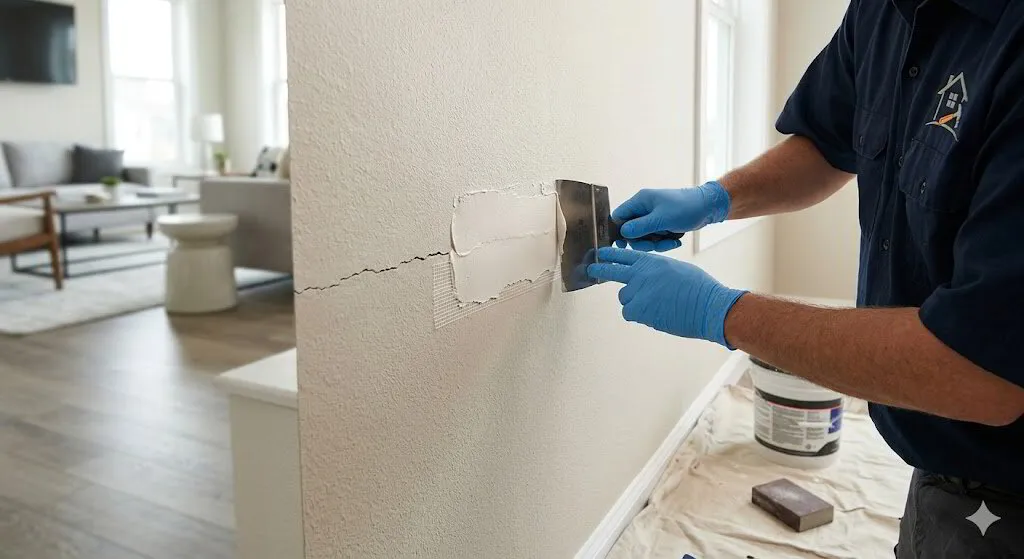
Flawless Walls: The Complete Guide to Professional Drywall Crack Repair
Expert Guide to Professional Drywall Crack Repair Services Discovering cracks in your drywall can be frustrating, whether you're a homeowner dealing w…